
Sauces & Condiments
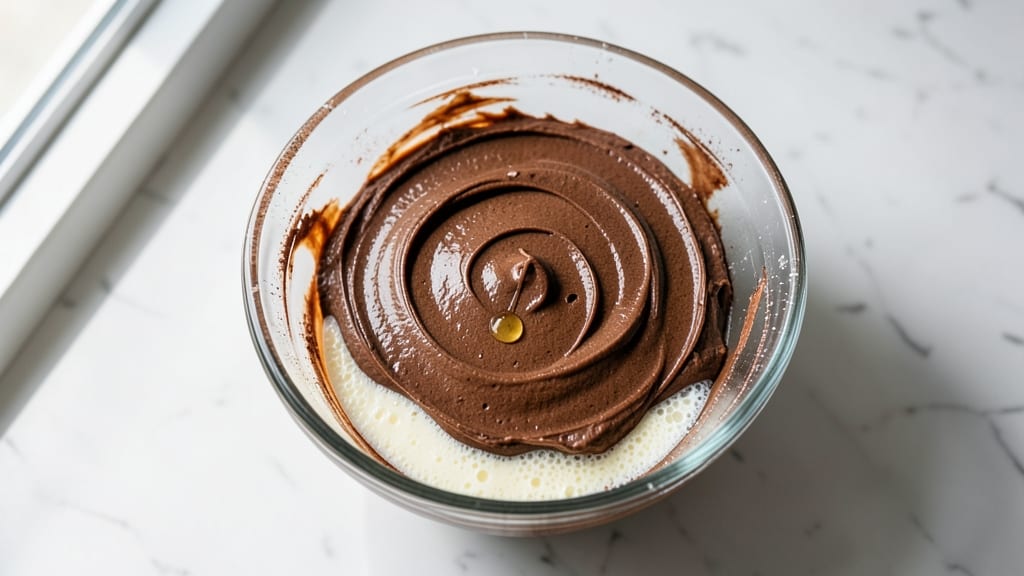
This Wilton chocolate buttercream frosting recipe unlocks the secret to velvety, lump-free perfection—no more grainy or runny disasters. The secret lies in precise ratios and technique, developed through years of baking trials.
This isn’t just frosting; it’s the foundation for flawless cakes, cupcakes, and decorating that looks like it came from a professional bakery.
What sets this recipe apart is its foolproof stability—no buttercream emergencies mid-decorating. We’ll use Wilton’s signature method with a 1:1 ratio of butter to powdered sugar by weight, plus a touch of cocoa powder for depth.
The key is whipping the butter to room temperature first, then gradually adding powdered sugar while mixing on low to avoid air pockets. This ensures a texture that’s light yet sturdy enough to hold intricate piping designs.
By the end, you’ll have a velvety, rich chocolate frosting that’s smooth enough to pipe rosettes, sturdy enough to stack tiers, and flavorful enough to stand alone. It keeps its shape on hot cakes, resists melting in warm rooms, and tastes like a mix of decadent chocolate and buttery sweetness.
The best part? It’s beginner-friendly but impressive enough for advanced decorating.
Perfect for layering between cake tiers, filling cupcakes, or creating showstopping decorations, this frosting delivers professional results every time. Let’s get started with the precise steps that make the difference between good frosting and perfect frosting.
Ingredients for wilton chocolate buttercream frosting
Seven ingredients transform into a velvety, pipeable chocolate buttercream that never fails.
| Ingredient | Amount | Notes |
|---|---|---|
| Unsalted Butter 🧈 | 1 lb | Room temperature, European-style preferred |
| Powdered Sugar 🍚 | 3 cups | Sifted for smooth texture |
| Dutch-Processed Cocoa Powder 🍫 | ½ cup | High-quality for rich flavor |
| Heavy Cream 🥛 | ¼ cup | Cold for stability |
| Vanilla Extract 🌸 | 1 tbsp | Pure Madagascar preferred |
| Salt 🧂 | ¼ tsp | Fine sea salt |
| Milk 🥛 | 1 tbsp | Adjusts consistency |
The butter is absolutely critical—European-style has more fat content for that ultra-smooth texture. Grab Plugrá or President from the international aisle if you're serious about this. Room temperature is key: press a thumb into the butter, and it should leave a slight indent but not flatten completely. The powdered sugar? Domino or C&H are reliable, but sift it first—lumps are the enemy of silky perfection. For the cocoa powder, Hershey's Special Dark or Valrhona elevates the flavor, but Dutch-processed is non-negotiable for that deep chocolate base.
No European butter? Land O'Lakes or ButterBakery work in a pinch, but expect slightly less stability. Short on powdered sugar? Confectioners' sugar from a squeeze bottle is your friend—just shake it well before measuring. The heavy cream adds that professional sheen, but half-and-half at half the amount gives a lighter finish. Vanilla extract? Madagascar bourbon has the most complex flavor, but imitation will work if that's all you've got. Need to adjust consistency? Add milk one teaspoon at a time—this buttercream is forgiving but precise.
This frosting keeps beautifully—5 days in the fridge in an airtight container, 3 months frozen for baking emergencies. For decorating, let it sit at room temperature for 30 minutes first—it pipes like a dream once it's the perfect consistency. I always make a double batch: one for immediate use, one to freeze for future projects. The flavor actually improves after 24 hours as the cocoa deepens.
Why You'll Love This Recipe
- No-Fuss Whip: I swear by this recipe because it’s all about the mix-and-fluff method—no stand mixer required. Just softened butter, powdered sugar, and a hand mixer (or even a whisk if you’re feeling old-school). The heavy cream gives it that velvety finish without extra fuss, and honestly? It’s the kind of frosting I can make while chatting with someone or scrolling through my phone.
- Rich Without Bitterness: That Dutch-processed cocoa powder is the secret weapon—it’s smooth, deep, and never turns gritty or bitter. The vanilla extract ties it all together, but here’s the kicker: the heavy cream cuts through the sweetness just enough to keep it from being cloying. It’s the kind of chocolate frosting that makes me reach for a second slice of cake before I even finish the first.
- Birthday Party Ready: This frosting is my go-to for sheet cakes, cupcakes, or even a quick layer cake for a last-minute celebration. The texture holds pipes beautifully, and the color? Perfect for decorating without extra food coloring. Between us, I’ve used it for everything from kids’ birthday parties to my own 30th cake—no one ever questions why it’s so good.
- Makes More Than You Think: A batch of this frosting keeps for days in the fridge, and it actually tastes better the next day (yes, really). I’ll often make a double batch when I’m baking because it’s cheaper than store-bought and way more flavorful. Plus, it freezes like a dream if you’re prepping for a big event—just thaw and pipe. No waste, all win.
Step-by-step instructions for Wilton chocolate buttercream frosting recipe
Here's the foolproof method for silky-smooth, pipeable perfection that stays stable all day.
Prepare Ingredients for Optimal Texture
Begin by measuring out all ingredients with precision—this is where professional results start. Place the 1 lb unsalted butter in a large mixing bowl and let it sit at room temperature for 30 minutes until completely soft but not melted. European-style butter works best here because its higher fat content creates a more stable emulsion.
Sift the 3 cups powdered sugar through a fine-mesh sieve into a separate bowl to eliminate any clumps that could disrupt your frosting's silky texture. The 0.5 cup Dutch-processed cocoa powder should be measured accurately using the spoon-and-level method, then sifted with the powdered sugar. Cold 0.25 cup heavy cream and 1 tbsp vanilla extract should be measured next, while the 0.25 tsp salt and 1 tbsp milk can be kept ready in small measuring spoons.
Cream Butter to Achieve Light Airiness
Using a stand mixer fitted with the paddle attachment, beat the softened butter on medium speed for 3-4 minutes until completely smooth and pale in color. This step is critical—you're incorporating air that will later distribute throughout the frosting, creating that signature light, fluffy texture. The butter should be creamy but not greasy; if it feels too soft, chill the bowl in the refrigerator for 10 minutes before proceeding.
Here's the thing—don't rush this step. You'll know you've achieved the right consistency when the butter nearly doubles in volume and leaves clean streaks on the bowl's sides when you lift the paddle. This air incorporation is what prevents that dense, cake-like texture we all dread in buttercream.
Gradually Add Dry Ingredients for Smooth Incorporation
With the mixer running on low speed, gradually add the sifted powdered sugar and cocoa powder mixture over 2-3 minutes. This slow incorporation prevents the sugar from dissolving too quickly, which can cause graininess. After all the dry ingredients are added, increase the speed to medium and beat for another 3-4 minutes until the mixture is completely smooth and all the sugar has dissolved.
At this stage, you might notice the mixture looking slightly curdled—that's normal. The key is patience. Continue beating until the frosting becomes light and fluffy, with no visible sugar crystals. If it feels too thick, you can add the 1 tbsp milk now to adjust the consistency, but we'll address this more precisely in the next step.
Incorporate Wet Ingredients for Ultimate Stability
With the mixer running on low speed, gradually add the 0.25 cup cold heavy cream and 1 tbsp vanilla extract. The cold cream helps stabilize the frosting by creating a better emulsion with the butter. Beat for 1-2 minutes until fully incorporated, then add the 0.25 tsp salt. This might seem like a small amount, but it enhances all the flavors and helps balance the sweetness.
Now for the final consistency check: The frosting should be smooth, thick, and pipeable. If it's too stiff, add the 1 tbsp milk a teaspoon at a time, mixing well after each addition. You're aiming for a texture that holds its shape when piped but still spreads smoothly. The frosting should coat the back of a spoon but still be thick enough to hold peaks when piped.
Beat to Peak Perfection for Piping Stability
Increase the mixer speed to high and beat the frosting for 3-5 minutes until it becomes light, fluffy, and reaches peak perfection. You'll notice it nearly doubles in volume and develops a glossy sheen. This final beating incorporates maximum air and creates that professional, bakery-quality texture.
The frosting is now ready for immediate use. It should hold its shape when piped from a decorating bag, spread smoothly on cakes, or used to fill cupcakes. For best results, use within 4 hours or refrigerate for up to 3 days. If you need to store it, cover tightly with plastic wrap pressed directly onto the surface to prevent a skin from forming. When ready to use, simply re-whip briefly to restore its light texture.
Pro Tips For Making Wilton Chocolate Buttercream Frosting
- Whip Butter First: Take 30 seconds to beat the unsalted butter alone until it’s pale and fluffy—no lumps. I used to skip this, and the frosting always ended up grainy, no matter how much I mixed later. This step guarantees a smooth base before adding anything else.
- Sift That Cocoa: Dutch-processed cocoa powder clumps like a stubborn teenager. Sift it with the powdered sugar before mixing—no strainer? Press it through a fine-mesh sieve or even a folded paper coffee filter. Trust me, you’ll notice the difference in texture immediately.
- Warm the Cream: Heat the heavy cream just until it’s steaming (about 160°F)—not boiling, not cold. This makes it easier to whip into the buttercream later, and it dissolves the cocoa powder like magic. Cold cream? You’re fighting an uphill battle.
- Add Vanilla Last: Mix in the vanilla extract after the frosting is fully combined. If you add it early, the alcohol can break down the butter’s fat, making the frosting softer and less stable. A little goes a long way—start with 1 teaspoon, then adjust.
Best sauces and condiments for this recipe
Chocolate Ganache
This rich, glossy ganache elevates your buttercream by adding depth and moisture. Use ½ cup heavy cream and ½ cup chopped dark chocolate (70% cocoa)—heat the cream until steaming, pour over chocolate, then let sit for 2 minutes before stirring.
Once smooth, let cool to 80°F before folding into your buttercream. This adds a luxurious, velvety texture that pairs beautifully with the frosting’s stability. 🍫
Caramel Sauce
For a sweet contrast, make a simple caramel sauce with 1 cup granulated sugar and ¼ cup water. Cook in a saucepan over medium-high heat until amber-colored, then whisk in ½ cup heavy cream until smooth.
Drizzle over cakes or use as a filling for cupcakes. The buttery sweetness complements the chocolate frosting perfectly. 🍯
Espresso Infusion
Boost the chocolate flavor with 1 tsp instant espresso powder mixed directly into the buttercream. For an extra kick, steep 1 tbsp coarse coffee grounds in 2 tbsp hot water for 5 minutes, then strain and add to the frosting.
This enhances the cocoa’s richness and adds a sophisticated depth that pairs well with vanilla cakes. ☕
Citrus Zest
Brighten the frosting with 1 tsp lemon or orange zest—add it during the final mixing step. The citrus cuts through the richness, making the frosting more vibrant. For a stronger flavor, infuse 2 tbsp citrus juice into the heavy cream before adding it to the buttercream.
This works especially well with white chocolate or vanilla cakes. 🍋
Nutty Additions
Fold in ¼ cup finely chopped toasted hazelnuts or pecans for texture and crunch. Toast the nuts in a dry pan over medium heat for 3-4 minutes until fragrant, then pulse in a food processor until finely ground.
This adds a delightful contrast to the smooth frosting, perfect for layering or decorating. 🌰
Spiced Variations
Warm up your frosting with ½ tsp cinnamon or cardamom, or a pinch of sea salt for a sweet-savory balance. For a chai-inspired twist, add ¼ tsp ground ginger and ⅛ tsp cloves. These spices work beautifully with spiced cakes or for a cozy fall dessert. 🌶️
Nutrition facts
Frequently asked questions
Why does my buttercream separate or look grainy?
This usually happens when butter isn't fully creamed or sugar isn't dissolved properly. Always whip butter to pale and fluffy first, then add sifted powdered sugar slowly on low speed. If grainy, re-whip with 1 tsp milk to smooth it out. Cold ingredients can also cause separation—ensure all components are room temperature except the heavy cream.
Can I make this frosting without a stand mixer?
Yes! Use a hand mixer with the paddle attachment. For the butter creaming step, beat on medium-high for 5-7 minutes until smooth. When adding dry ingredients, go even slower—1 minute at a time with occasional scraping. The key is patience; hand-mixing just requires more time and elbow grease.
How do I adjust the consistency for piping vs. spreading?
For piping (like rosettes), the frosting should be thick enough to hold peaks when piped but still flow smoothly. For spreading (like cake layers), it needs to be slightly softer—add 1-2 tsp milk at a time until it reaches a smooth, spreadable consistency. If too stiff, warm slightly in 10-second bursts in the microwave.
What's the best way to store leftover frosting?
Press plastic wrap directly onto the surface to prevent drying. Store in an airtight container in the fridge for up to 5 days or freeze for 3 months. To reuse, let sit at room temperature for 30 minutes and re-whip for 1-2 minutes to restore fluffiness. Never refreeze thawed frosting.
Can I use this frosting for warm-weather cakes?
This recipe is more stable than most, but for hot climates, chill the cake layers first and work quickly. The heavy cream helps with heat resistance, but avoid leaving it out for more than 2 hours in temperatures above 75°F. For extra stability, add 1 tsp cornstarch to the powdered sugar mixture.