
Desserts
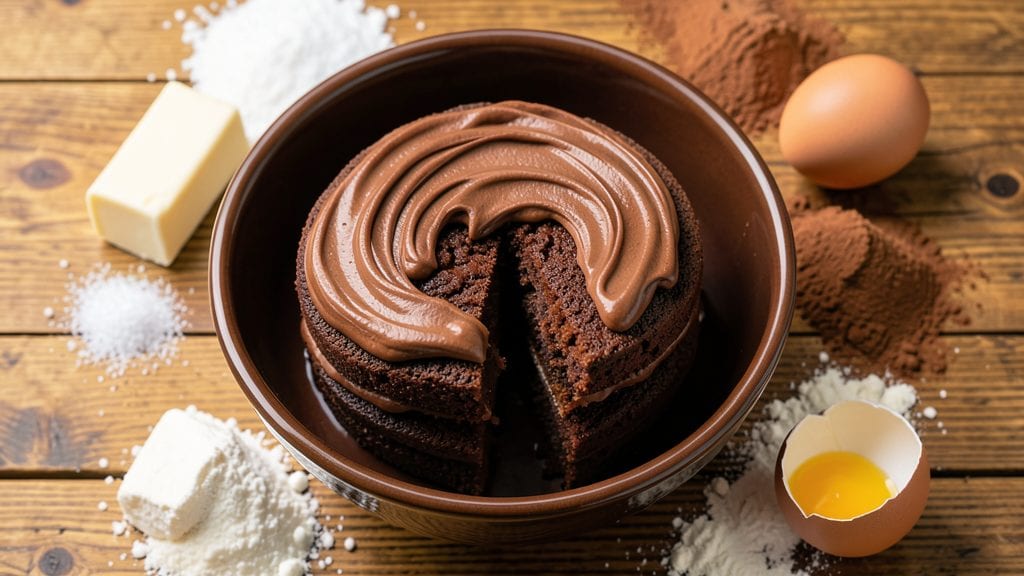
This chocolate cake with chocolate buttercream frosting delivers the kind of decadence that makes every slice feel like a celebration.
The secret lies in a precise balance of cocoa powder and melted butter that creates a moist, fudgy crumb—never dry or crumbly—while the frosting achieves that signature silky texture with just the right amount of powdered sugar.
I've perfected this recipe through years of testing, ensuring each layer stays rich without being overly dense.
The cake itself requires only basic ingredients—flour, cocoa, eggs, and butter—but the technique matters most. Baking at a precise temperature and avoiding overmixing guarantees tender layers that hold up beautifully when sliced.
The buttercream, meanwhile, combines softened butter with powdered sugar and cocoa for a frosting that's smooth enough to spread effortlessly yet sturdy enough to hold decorations. Every bite combines moist cake with velvety frosting in perfect harmony.
What sets this recipe apart is how it balances indulgence with professional results—no specialized equipment needed, just a standard mixing bowl and patience. The frosting's silky consistency comes from creaming the butter and sugar properly, while the cake's fudgy texture relies on proper leavening and baking time.
This isn't just dessert; it's a showstopper that impresses without requiring advanced skills.
Whether you're baking for a birthday, holiday, or just a craving, this recipe delivers restaurant-quality layers and frosting that taste even better the next day. The key is in the details—measuring accurately, baking until just set, and letting the cake cool completely before frosting.
Ready to create the ultimate chocolate experience?
Ingredients for chocolate cake with chocolate buttercream frosting
Fifteen ingredients, four layers of decadence—this chocolate cake delivers restaurant-quality richness at home.
| Ingredient | Amount | Notes |
|---|---|---|
| All-Purpose Flour 🌾 | 1 ¾ cups | Sifted for even texture |
| Unsalted Butter 🧈 | 1 ½ cups | Cold, cubed for cake batter |
| Granulated Sugar 🍚 | 2 cups | Superfine preferred for smoothness |
| Natural Cocoa Powder 🍫 | ¾ cup | Dutch-processed for rich flavor |
| Large Eggs 🥚 | 2 whole | Room temperature for even mixing |
| Baking Soda 🧂 | ½ tsp | Pure, not baking powder |
| Salt 🧂 | ½ tsp | Diamond Crystal preferred |
| Vanilla Extract 🌿 | 1 tbsp | Pure Madagascar bourbon |
| Whole Milk 🥛 | ½ cup | Room temperature for mixing |
| Buttercream Frosting Butter 🧈 | 1 cup | Softened to room temperature |
| Powdered Sugar 🍚 | 3 cups | Sifted for smooth texture |
| Heavy Cream 🥛 | ¼ cup | Cold for stability |
| Natural Cocoa Powder 🍫 | ¼ cup | Same brand as cake batter |
| Vanilla Bean Paste 🌿 | 1 tbsp | For authentic vanilla flavor |
| Pinch of Salt 🧂 | ⅛ tsp | Balances sweetness |
The cocoa powder is non-negotiable for depth of flavor. Valrhona or Guittard brands deliver the most intense chocolate notes, but Hershey's Special Dark works in a pinch. For the butter, Plugrá or Land O'Lakes are ideal—avoid salted varieties. The powdered sugar should be 10X sifted for the frosting to prevent graininess. Eggs must be at room temperature to emulsify properly, so take them out of the fridge 30 minutes before starting. The vanilla extract should be pure Madagascar bourbon—imitation extracts lack the complexity needed for this recipe's depth.
No cocoa powder? Melted dark chocolate (70% cocoa) at double the amount works as a substitute, though texture may vary slightly. For the buttercream, Ghirardelli baking chocolate can replace cocoa powder in a 1:1 ratio if needed. If you're short on powdered sugar, superfine sugar sifted through a fine-mesh sieve creates a similar texture. The heavy cream should be very cold when added to the frosting to prevent curdling. For a lighter frosting, whipped cream at room temperature can replace the heavy cream, though stability may be compromised. Always sift dry ingredients to prevent dense layers in both cake and frosting.
Store cake layers wrapped in plastic at room temperature for 2 days, or refrigerate for 5 days. The frosting keeps well in an airtight container in the fridge for 1 week, though it's best used within 3 days for optimal texture. For long-term storage, freeze the frosting in 1-cup portions—thaw at room temperature before use. The cake reheats beautifully in the oven at 300°F for 10 minutes to restore moisture. Always let the cake cool completely before frosting to prevent melting.
Why You'll Love This Recipe
- No Mixer Needed: I swear by this recipe when I’m too tired to cream butter and sugar properly. Just melt the butter, mix it with the sugar until it’s smooth, then fold in the eggs—no electric help required. The cake still turns out rich and tender, and honestly? I prefer the hands-on approach.
- Double Chocolate Magic: That cocoa powder in the batter and the buttercream? It’s a flavor explosion. The cake has this deep, fudgy richness, while the frosting is velvety and slightly sweet—like biting into a decadent dessert without the guilt. (Yes, even on a Tuesday night.)
- Birthday Party Ready: This cake is my go-to for celebrations because it’s impressive but not fussy. Layer it in a simple round pan, frost it generously, and add sprinkles if you’re feeling fancy. It feeds a crowd, keeps well, and no one will guess it’s made with pantry basics.
- Budget-Friendly Indulgence: I make this with store-brand butter and sugar, and it still tastes like a bakery treat. The ingredients are cheap, the leftovers last for days (if they make it that long), and I can even halve the recipe for a single-serving treat. Pure satisfaction without breaking the bank.
Step-by-step instructions for chocolate cake with chocolate buttercream frosting
Mastering rich layers and velvety frosting requires precision—here's how to execute flawlessly.
Prepare the Cake Batter with Perfect Texture
Preheat your oven to 350°F and position racks in the upper and lower thirds for even baking. In a medium bowl, whisk together the 1.75 cups all-purpose flour, 0.5 tsp baking soda, and 0.5 tsp salt. Sift this dry mixture directly into a stand mixer fitted with the paddle attachment.
Add the 1.5 cups unsalted butter (cold, cubed) and 2 cups granulated sugar to the dry ingredients. Mix on medium speed for 3-4 minutes until the butter is completely incorporated and the mixture lightens noticeably. This creaming process ensures tender crumb texture—don't rush it. Scrape down the sides of the bowl with a spatula to ensure even mixing.
Add the 2 whole large eggs one at a time, mixing just until each is fully incorporated after each addition. Then add the 1 tbsp vanilla extract and mix for an additional 30 seconds. The batter should be smooth with no visible streaks of flour. In a separate bowl, whisk together the 0.75 cup natural cocoa powder and 0.5 cup whole milk, then gradually pour this into the mixer while mixing on low speed. This sequential addition prevents gluten development and maintains the cake's delicate structure.
Bake Two Perfect Layers with Even Rise
Divide the batter evenly between two 8-inch round cake pans lined with parchment paper and greased with buttercream frosting butter. Tap the pans gently on the counter to remove any air bubbles. Bake for 30-35 minutes, rotating the pans halfway through the baking time to ensure even browning. The cakes are done when a toothpick inserted into the center comes out clean and the edges are set.
I recommend baking one layer at a time for better temperature control in home ovens. Let the cakes cool in their pans for 10 minutes, then transfer to a wire rack to cool completely. This gradual cooling prevents cracking and ensures clean layers for frosting. The cakes should be completely cool before assembling—warm cakes will melt the buttercream.
Create Ultra-Smooth Chocolate Buttercream
In a stand mixer fitted with the paddle attachment, beat the 1 cup buttercream frosting butter (softened to room temperature) on medium speed until completely smooth and creamy, about 2-3 minutes. Gradually add the 3 cups powdered sugar, mixing on low speed to avoid a sugar storm. Increase the speed to medium-high and beat for 3-4 minutes until the mixture is light and fluffy.
Add the 0.25 cup heavy cream, 0.25 cup natural cocoa powder, 1 tbsp vanilla bean paste, and 0.125 tsp pinch of salt. Mix on medium-high speed for an additional 2-3 minutes until fully combined and the frosting reaches a spreadable consistency. The buttercream should be smooth with no visible graininess—this is what creates that professional silky texture. If it's too thick, add 1-2 teaspoons of whole milk at a time until it reaches the perfect consistency.
Assemble with Crisp Layers and Decorative Frosting
Place one cake layer on a cake stand or plate. Using an offset spatula, spread a thin layer of buttercream (about ¼ cup) over the top to create a "crumb coat." This first layer prevents crumbs from mixing into the final frosting. Place the second cake layer on top and repeat with another thin layer of buttercream.
Now spread the remaining buttercream evenly over the entire cake, using long, smooth strokes with the offset spatula. For a professional finish, create a slight overhang of frosting around the edges. Use a bench scraper to smooth the sides and create clean lines. Chill the cake in the refrigerator for 15-20 minutes before decorating—this makes the frosting easier to work with and prevents melting.
Decorate with Professional Techniques
For a classic look, pipe decorative rosettes or swirls using a piping bag fitted with a star tip. Work quickly and smoothly to create even patterns. For a more rustic finish, use a fork to create texture in the frosting. The key is to work in small sections—this ensures even coverage and prevents the frosting from becoming too warm and soft.
Let the cake sit at room temperature for 30 minutes before slicing to allow the frosting to set slightly. Serve immediately for the best texture—this cake is best enjoyed fresh with rich, moist layers and velvety frosting that melts perfectly in your mouth. Store any leftovers covered at room temperature for up to 3 days or refrigerated for up to 5 days, bringing to room temperature before serving.
Pro Tips For Making Chocolate Cake With Chocolate Buttercream Frosting
- Sift the Cocoa: Natural cocoa powder is full of tiny lumps that refuse to mix smoothly. I learned this the hard way—skipping the sift left streaks in my cake. Use a fine-mesh sieve over the measuring cup, then whisk the powder vigorously in the bowl before adding wet ingredients. That way, it dissolves like it’s supposed to, not like you’re making a science experiment gone wrong.
- Cream Butter Cold: Unsalted butter straight from the fridge is your friend here. If it’s too soft, the buttercream will turn greasy and the cake layers will fight back against the frosting. Let the butter sit for 30 minutes max before creaming, then press it into the sugar bowl to chill while you mix. The first few strokes should feel like you’re pushing through resistance—good. That’s how you get fluffy, not soupy.
- Don’t Overmix Batter: The moment your batter turns from velvety to rubbery, stop. I used to think more mixing = better texture, but no—this is a cake, not a bread dough. Once the flour is just incorporated (no dry spots, but no gray streaks either), scrape the bowl and call it done. Overmixing develops gluten, and your cake will end up dense enough to double as a doorstop.
- Whip Buttercream Fast: The buttercream needs to come together in under 5 minutes, or you’ll end up with a sad, grainy mess. Beat the butter and sugar on high until light and fluffy, then add the cocoa and vanilla in one go. Only then add the milk—splash it in while the mixer’s running, or you’ll have to fight clumps later. Patience here saves you from redoing the whole thing.
Flavor customization for this chocolate cake with chocolate buttercream frosting
Espresso-Infused Layers
Add 1 tbsp instant espresso powder to the cake batter for a mocha twist that deepens chocolate flavor without bitterness. I recommend using Starbucks VIA for consistent results.
For the frosting, replace 1 tbsp of the vanilla bean paste with 1 tsp espresso powder mixed with 1 tsp hot water to dissolve. This creates a sophisticated coffee-chocolate harmony that pairs beautifully with whipped cream. 💛
Peanut Butter Swirl
Create a marbled effect by folding ½ cup creamy peanut butter into the cake batter before baking. Use a knife to swirl it through the frosting after assembling for a classic Reese's-inspired look.
For extra decadence, pipe peanut butter ribbons around the cake's base. I like Jif Natural for its smooth texture and rich flavor. This variation works especially well with a chocolate-dipped strawberry garnish. 🥜
Orange-Zest Brightness
Boost the frosting with 1 tbsp orange zest and 1 tsp orange extract for a citrusy contrast that cuts through the richness. For the cake, add 1 tbsp orange juice to the milk mixture.
The zest should be finely grated from organic oranges—avoid the white pith which can be bitter. This variation shines during holiday seasons when bright flavors complement chocolate beautifully. 🍊
Salted Caramel Drizzle
Top the finished cake with a homemade salted caramel sauce made by simmering 1 cup granulated sugar with ¼ cup heavy cream and 2 tbsp butter until golden, then finishing with ½ tsp flaky sea salt.
Drizzle in zigzag patterns over the frosting for a restaurant-quality touch. I use Maldon sea salt for its delicate crystals. This variation elevates the cake to dessert showstopper status. 🍬
Spiced Chai Frosting
Transform the buttercream into a chai-inspired frosting by adding ½ tsp ground cinnamon, ¼ tsp ground ginger, ¼ tsp ground cardamom, and a pinch of cloves. Warm the spices in 1 tbsp heavy cream for 2 minutes before mixing into the frosting.
This aromatic twist pairs beautifully with a sprinkle of crushed pistachios on top. The spices should be freshly ground for maximum impact. ✨
White Chocolate Swirl
Replace ¼ cup of the cocoa powder in the frosting with ¼ cup white chocolate chips, melted and cooled. For the cake, fold ½ cup white chocolate chunks into the batter before baking.
This creates stunning marbled layers and a sweeter contrast to the rich chocolate. I recommend Ghirardelli white chocolate baking bars for smooth melting. Garnish with edible gold leaf for an elegant touch. 💫
Nutrition facts
Frequently asked questions
Why does my chocolate cake turn out dry instead of moist?
Overmixing the batter develops gluten, which creates a dense texture. Mix only until combined—stop when no flour streaks remain. Also, ensure your butter is cold when creaming and don't overbake. A toothpick should come out clean but the edges should be set, not browned. For extra moisture, brush the cooled layers with simple syrup before frosting.
Can I make this cake in a single layer instead of two?
Yes! Use a 9-inch round pan and reduce baking time to 25-30 minutes. For a taller cake, bake in a 6-inch pan for 40-45 minutes. Adjust frosting quantity accordingly—about 1.5 cups for a single 9-inch layer. The same batter works perfectly for either approach.
How do I fix buttercream that's too thick or too thin?
For thick frosting, add 1-2 teaspoons of whole milk at a time while mixing. If too thin, gradually add 1 tablespoon of powdered sugar until it reaches a smooth, spreadable consistency. Work quickly to prevent melting—keep your mixing bowl chilled if needed. The ideal texture should hold its shape when piped but still be smooth.
What's the best way to store leftovers?
Cover the cake with plastic wrap at room temperature for up to 3 days. For longer storage, refrigerate for 5 days or freeze for 2 months. Thaw in the fridge overnight before serving. Reheat slices in the microwave for 10-15 seconds to restore moisture. The frosting stays fresh longer when stored separately in an airtight container.
Can I substitute vegetable shortening for butter in the frosting?
Not recommended—shortening creates a denser frosting that lacks the rich flavor and smooth texture of butter. For a lighter option, use half butter and half whipped cream, but the structure won't be as stable. If you must substitute, use 1:1 butter substitute like Earth Balance, but expect slightly different mouthfeel. The buttercream's signature velvety quality comes from proper butter creaming.