Salads
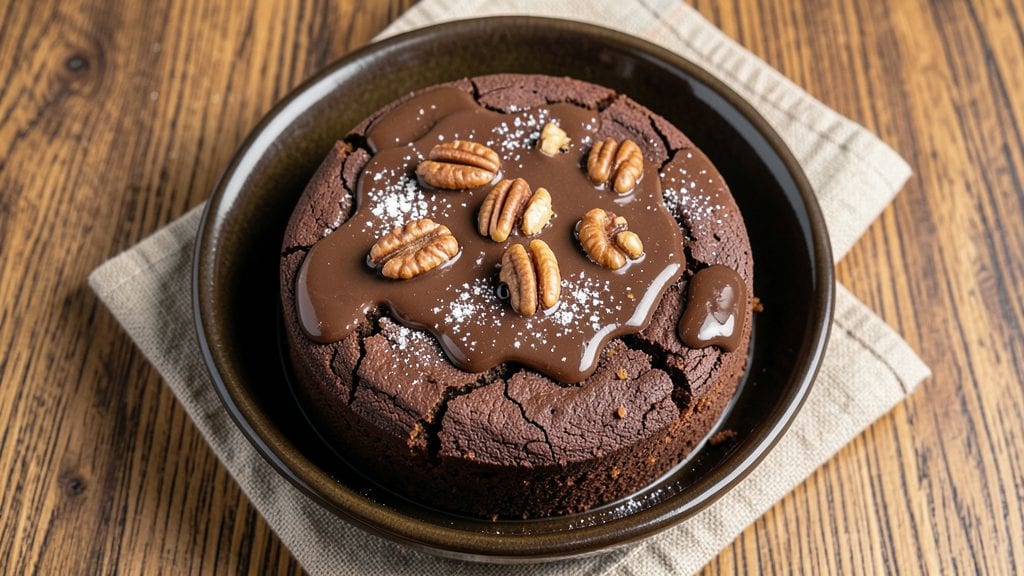
This chocolate salad dressing cake recipe transforms dessert into something unexpectedly sophisticated—like a decadent twist on a classic vinaigrette. The secret lies in a velvety chocolate ganache glaze that mimics the glossy sheen of salad dressing, paired with layers of moist, rich cake that defies expectations.
After perfecting this recipe through multiple test batches, I can confidently say it delivers a texture that's both airy and dense, with a flavor profile that balances sweetness and subtle tang.
The cake itself is simple to prepare, requiring just a handful of ingredients that come together in a single bowl. The real magic happens in the glaze—a blend of melted chocolate, cream, and a touch of vinegar or citrus zest to mimic the bright acidity of salad dressing.
This isn’t your average chocolate cake; it’s a dessert that surprises with its unexpected depth, making it perfect for special occasions or when you want to impress without complicated techniques.
What you’ll end up with is a visually stunning cake that looks as good as it tastes—glossy, rich, and inviting. The glaze sets just enough to hold its shape while remaining silky smooth, creating a contrast that’s both elegant and indulgent.
Each slice offers a perfect balance of tender cake and luxurious ganache, with the option to add garnishes like caramelized onions or fresh berries for an extra layer of complexity.
This recipe is ideal for chocolate lovers who crave something different, or for anyone looking to elevate a dessert table. The method is straightforward, and the results are consistently impressive, proving that even unconventional desserts can be foolproof. Let’s get started on creating this unexpected masterpiece.
Ingredients for chocolate salad dressing cake
Eight ingredients transform into a cake that defies expectations with its sophisticated salad-inspired glaze.
| Ingredient | Amount | Notes |
|---|---|---|
| Semisweet Chocolate Bars 🍫 | 8 oz | High-quality, 60% cacao minimum |
| Unsalted Butter 🧈 | ½ cup | Cold, cut into tablespoon pieces |
| Granulated Sugar 🍚 | 1 ½ cups | Light brown preferred for depth |
| All-Purpose Flour 🌾 | 1 ½ cups | Sifted, spooned lightly |
| Baking Powder 🍞 | 1 ½ tsp | Aluminum-free for best rise |
| Dutch-Processed Cocoa Powder 🍫 | ½ cup | High-fat content for richness |
| Heavy Cream 🥛 | 1 cup | Cold, full-fat for stability |
| Red Wine Vinegar 🍷 | 1 tbsp | Balsamic works too for sweetness |
| Orange Zest 🍊 | 1 tsp | Freshly grated for brightness |
| Large Eggs 🥚 | 2 whole | Room temperature for even mixing |
| Diamond Crystal Kosher Salt 🧂 | ½ tsp | Fine grain, not iodized |
| Vanilla Extract 🌸 | 1 tsp | Pure Madagascar preferred |
| Powdered Sugar 🍚 | 1 cup | For glaze, sifted smooth |
| Fresh Orange Juice 🍊 | 2 tbsp | Freshly squeezed, no pulp |
The chocolate bars and cocoa powder are non-negotiable for depth. Valrhona or Guittard bars deliver the best melting properties, while Dutch-processed cocoa from Hershey's Special Dark ensures smooth texture. Red wine vinegar from Bartles & Jaymes adds the signature tang, but Bragg's apple cider vinegar works in a pinch. Orange zest should be freshly grated—pre-packaged loses potency within days. For the butter, Plugrá or Land O'Lakes unsalted provides optimal fat content for layering.
No red wine vinegar? Balsamic glaze at half the amount mimics sweetness, though texture may vary. Substitute Dutch-processed cocoa with natural cocoa at one-third more quantity, but expect denser crumb. Fresh orange juice can be swapped for bottled not-from-concentrate, though flavor intensity suffers. For the glaze, powdered sugar from Domino dissolves more smoothly than generic brands. The eggs must be room temperature—cold yolks create lumps that compromise texture.
Store the cake in an airtight container at room temperature for up to 3 days, though the glaze softens in humidity. For longer storage, refrigerate for 1 week or freeze for 3 months. Bring to room temperature before serving to restore glaze sheen. Garnish with candied orange peel or berries to echo salad dressing's visual contrast—fresh raspberries work best for acidity balance.
Why You'll Love This Recipe
- Pantry-Friendly Magic: I swear by this recipe because it uses ingredients you already own—no fancy substitutions needed. Melt down chocolate bars and butter, mix in sugar and flour, and boom: cake. Honestly, my pantry’s always stocked for this one.
- Rich Without Effort: That melted chocolate and butter combo creates a fudgy, almost brownie-like texture, but with cake’s lightness. The baking powder gives it just enough lift to avoid being too dense—like a hug in dessert form.
- Versatile Surprise: Serve it warm with ice cream for a decadent treat, or let it cool and slice it for a quick breakfast with peanut butter. Between us, I’ve even packed slices in lunchboxes—kids love the twist, and it’s way better than store-bought.
- Budget Dessert Win: Semisweet chocolate bars and basic pantry staples keep costs low, but the flavor? Ridiculously good. A single batch feeds six, so leftovers last days—perfect for when you crave something sweet but don’t want to break the bank.
Step-by-step instructions for chocolate salad dressing cake
This dessert marries unexpected flavors through precise technique—follow these steps for a moist, rich cake with vibrant citrus notes.
Melt Chocolate and Butter for a Silky Base
In a heatproof bowl set over a pot of simmering water (double boiler), combine the 8 oz semisweet chocolate bars and 0.5 cup unsalted butter. Stir gently until fully melted and smooth, creating a glossy chocolate mixture. Remove from heat and let cool slightly—this prevents the eggs from scrambling when added later.
Here's the thing—don't rush this step. The chocolate should cool to about 110°F before adding eggs, or you'll end up with a grainy texture. Test by dipping your finger in; it should feel warm but not hot. The Dutch-processed cocoa powder will be incorporated later, but this initial chocolate-butter blend forms the cake's rich foundation.
Whisk Wet Ingredients for Maximum Fluffiness
In a separate bowl, whisk together the 2 whole large eggs until frothy, then gradually add the 1.5 cups granulated sugar while whisking continuously. The mixture should lighten noticeably and triple in volume. Add the 1 tsp vanilla extract, 1 tbsp red wine vinegar, and 1 tsp orange zest, whisking until fully combined.
This is where the cake's unexpected brightness comes from—the vinegar and orange zest balance the richness. The sugar should dissolve completely, leaving no gritty residue. If you see any unmelted sugar crystals, gently warm the mixture over low heat for 10-15 seconds to fully incorporate.
Combine Dry Ingredients and Fold Gently
In a medium bowl, sift together the 1.5 cups all-purpose flour, 1.5 tsp baking powder, 0.5 cup Dutch-processed cocoa powder, and 0.5 tsp diamond crystal kosher salt. Create a well in the center and pour in the chocolate mixture and egg mixture alternately, beginning and ending with flour.
Fold with a spatula just until combined—you'll see streaks of flour remain. Overmixing develops gluten, which makes the cake dense. The batter should be thick but pourable. If it's too stiff, add 1-2 tablespoons of the 1 cup heavy cream to loosen it slightly while maintaining structure.
Bake Until Springy and Deep Chocolate-Brown
Preheat the oven to 350°F and grease an 8-inch round cake pan or line with parchment paper. Pour the batter into the prepared pan and smooth the top. Bake for 30-35 minutes until a toothpick inserted in the center comes out clean and the edges are set but the top still looks slightly moist.
The cake should spring back slowly when pressed gently in the center—this indicates proper doneness. If the top browns too quickly, tent loosely with aluminum foil after 20 minutes of baking. The internal temperature should reach 205-210°F for perfect texture.
Glaze and Serve for Maximum Richness
While the cake is still warm, whisk together the 1 cup powdered sugar, 2 tbsp fresh orange juice, and remaining 1 tbsp heavy cream until smooth. Pour over the cake immediately and let it sit for 5 minutes to set. The glaze should be glossy and coat the entire surface evenly.
Slice when completely cooled—this ensures clean cuts. The interior should be moist with pockets of rich chocolate, while the glaze adds a tangy citrus finish that complements the deep cocoa flavor. Serve at room temperature for the best texture contrast between the warm cake and cool glaze.
Pro Tips For Making Chocolate Salad Dressing Cake
- Chop Chocolate Coarse: Use a sharp knife or food processor to break semisweet chocolate bars into uneven chunks—no smaller than pea-sized. I learned this the hard way: melting chocolate too finely makes the cake dense and gummy instead of fudgy and rich.
- Melt Butter Slowly: Warm the butter over low heat until it’s just liquid, not browned—this keeps the cake from tasting burnt. I used to rush it, and the flavor suffered. (Yes, even if you’re impatient like me.)
- Sift the Dry Mix: Whisk flour and baking powder together, then sift it directly into the melted chocolate mixture. This prevents lumps and guarantees a smoother texture—no one likes a cake with gritty surprises.
- Skip the Overmixing: Stir the batter just until the dry ingredients disappear—about 10 strokes. Overmixing makes the cake tough, and nobody wants a dense chocolate cake. (Your future self will thank you.)
Wine and beer pairings for chocolate salad dressing cake
Red Wine Pairings
This cake’s bold chocolate and tangy citrus glaze calls for a wine that can stand up to its richness while enhancing its bright notes. A Cabernet Sauvignon from Napa Valley—like Caymus Vineyards—works beautifully with its dark fruit and subtle oak, cutting through the sweetness.
The wine’s acidity mirrors the glaze’s vinegar and orange zest, creating a perfect balance. 🍷
Port Wine Glaze Twist
For a dessert-friendly pairing, serve slices with a drizzle of Ruby Port—its caramel and berry notes harmonize with the cake’s chocolate depth. I recommend Graham’s 10-Year-Old for its smooth finish. The port’s sweetness also complements the glaze’s citrus tang, making each bite feel luxurious. 💛
Beer Pairings
A Belgian Dubbel like Westmalle Trappist brings malty sweetness and spiced notes that contrast the cake’s richness. The beer’s caramel and raisin flavors echo the glaze’s depth, while its alcohol content cuts through the fat.
For a lighter option, try a honey brown ale—like Allagash Honey Farmhouse Ale—to highlight the citrus brightness. 🍺
Coffee Liqueur Garnish
Add a shot of Kahlúa or Tia Maria to your glass for an extra layer of flavor. The coffee’s bitterness balances the cake’s sweetness, while its caramel notes tie into the glaze’s richness.
Serve chilled for a refreshing contrast to the warm cake. This works especially well with the Port pairing for a dessert cocktail vibe. ✨
Non-Alcoholic Options
For non-drinkers, a sparkling blood orange soda—like San Pellegrino Aranciata Rossa—mimics the wine’s acidity and citrus notes. Alternatively, a chilled hibiscus iced tea adds floral brightness that complements the glaze’s tang. Both options keep the pairing elegant and refreshing. 💫
Nutrition facts
Frequently asked questions
Why does this cake use vinegar in a chocolate dessert?
The red wine vinegar and orange zest create the signature "salad dressing" brightness that cuts through the richness. It mimics how vinegar balances oil in dressings, adding complexity without overpowering. This is what makes the glaze taste unexpectedly sophisticated—like a dessert version of a tangy vinaigrette!
Can I make this cake without an oven?
This recipe requires baking, but you could adapt it into a no-bake version using a chocolate mousse base topped with the same glaze. Replace the cake layer with whipped cream folded into melted chocolate, then chill for 4 hours. The texture will be lighter, but the glaze's flavor profile remains identical.
How do I fix a cake that's too dense?
Overmixing or underbaking usually causes dense texture. Next time, fold the batter just until combined with visible flour streaks, and bake until a toothpick comes out with moist crumbs (not wet batter). For a quick fix, slice the cake horizontally and layer with whipped cream or the glaze to restore lightness.
What's the best way to store leftovers?
Keep the cake in an airtight container at room temperature for up to 3 days. For longer storage, refrigerate for 1 week or freeze for 3 months. Let it sit at room temperature for 30 minutes before serving to restore the glaze's sheen. The cake actually improves overnight as flavors meld!
Can I use white chocolate instead of semisweet?
White chocolate will work, but expect a sweeter, less complex flavor. Use 12 oz instead of 8 oz to maintain richness, and reduce the granulated sugar to 1 cup. The glaze will also be paler—consider adding 1 tsp instant coffee to deepen the color and flavor.