Desserts
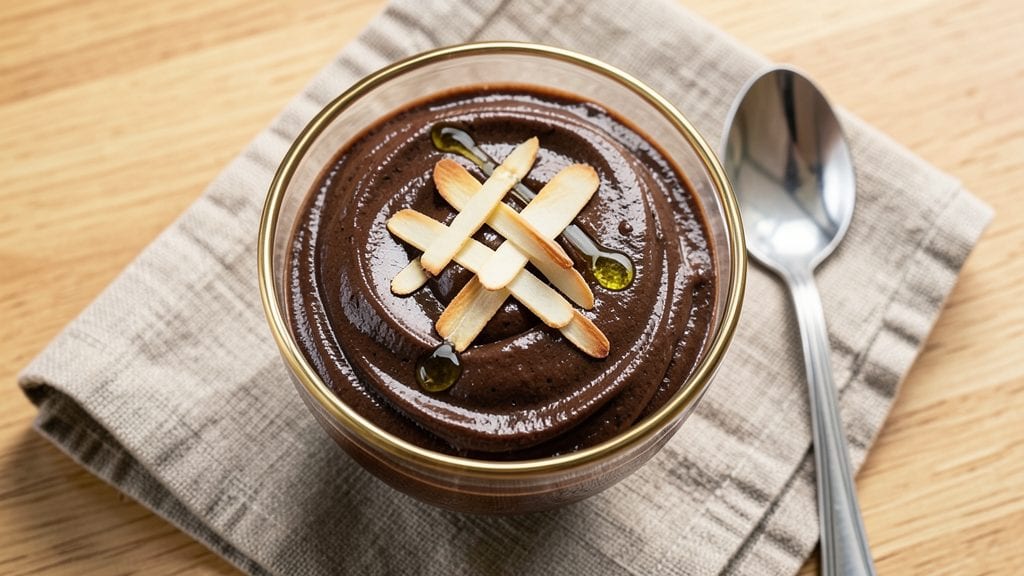
This traditional chocolate mousse recipe delivers the signature silky texture and rich cocoa flavor without relying on shortcuts or store-bought tricks. The secret lies in tempering eggs and chocolate properly, creating a velvety base that sets beautifully in the fridge.
I've perfected this method over years of testing—no whipped cream substitutes needed.
What sets this recipe apart is the balance of ingredients: high-quality dark chocolate for depth, egg yolks for richness, and just enough whipped egg whites for lightness.
The process requires patience—chilling the mixture at each stage ensures that final texture you crave. Every bite should be smooth, airy, and intensely chocolatey without being heavy.
By following these precise steps, you'll achieve a mousse that's silky yet stable, with a glossy finish that looks as impressive as it tastes. The contrast of cool, creamy mousse against warm chocolate shavings or fresh berries makes it perfect for special occasions or indulgent weeknight treats.
This recipe adapts easily to modern preferences—add a splash of espresso for depth, orange zest for brightness, or even a hint of sea salt to enhance the chocolate. The foundation remains the same, proving tradition can meet contemporary tastes without compromise.
Ingredients for traditional chocolate mousse
High-quality chocolate and tempered eggs create velvety texture without whipped cream shortcuts.
| Ingredient | Amount | Notes |
|---|---|---|
| High-Quality Dark Chocolate (70% Cocoa) 🍫 | 8 oz | Valrhona or Lindt preferred, chopped finely |
| Large Eggs 🥚 | 4 whole | Room temperature, separated carefully |
| Granulated Sugar 🍚 | ½ cup | Superfine preferred for smooth texture |
| Extra-Virgin Olive Oil 🫒 | 2 tbsp | Light flavor, for emulsification |
| Unsalted Butter 🧈 | ¼ cup | Cold, cubed for tempering |
| Vanilla Extract 🌿 | 1 tsp | Pure Madagascar preferred |
| Pinch of Salt 🧂 | ⅛ tsp | Fine sea salt for balance |
| Heavy Whipping Cream 🥛 | ½ cup | 36% fat minimum for stability |
| Instant Espresso Powder (optional) ☕ | ½ tsp | For enhanced chocolate depth |
| Orange Zest (optional) 🍊 | 1 tsp | Freshly grated for brightness |
| Flaky Sea Salt (optional) 🧂 | ⅛ tsp | For garnish, enhances flavor |
The chocolate is non-negotiable—Valrhona or Lindt 70% cocoa bars deliver the depth and melt you need. Gourmet grocers or specialty stores carry these brands, but avoid anything with added oils or fillers. Eggs must be room temperature—cold yolks won't emulsify properly. If you're using supermarkets, check the organic section for the best quality. For the sugar, superfine dissolves faster and creates a smoother mousse. If you can only find regular granulated, pulse it briefly in a food processor first. The butter should be cold and cubed—this helps stabilize the texture during the tempering process.
Running short on time? Melted dark chocolate works instead of chopped, but tempering is key for that signature gloss. No vanilla extract? Vanilla bean paste at half the amount gives you those little specks. The espresso powder can be swapped for instant coffee granules, but adjust to taste—too much can make it bitter. For the orange zest, fresh is best, but if you're in a pinch, bottled zest works at double the amount. The heavy whipping cream can be replaced with 35% fat cream, but the texture won't be as stable. If you're avoiding dairy entirely, coconut cream works but alters the flavor significantly.
This mousse requires three chilling stages, so plan ahead—it's not a last-minute dessert. Store the final product in an airtight container for up to 5 days in the fridge, though it's best enjoyed within 3 days for peak texture. For longer storage, portion into ramekins or small jars and freeze for up to 1 month. Thaw overnight in the fridge before serving. The butter cubes can be stored in the freezer for up to 3 months in a sealed container. Always let ingredients come to room temperature before starting—this is critical for the tempering process and overall texture.
Why You'll Love This Recipe
- No Whisk Arm Fatigue: I swear by this method—just melt the chocolate, whisk the eggs, and fold. No stand mixer required, no over-beating the air into meringue. The olive oil keeps it silky without needing extra effort, and honestly? My arms thank me every time.
- Decadent Yet Clean: That 70% dark chocolate isn’t just rich—it’s smart. The bitterness balances the sugar, so one small bite feels indulgent, not guilty. Plus, the butter adds a velvety finish that makes it taste like you spent hours, not 20 minutes.
- Date Night or Dessert After: Serve it chilled in glasses for a restaurant-worthy impression, or let it sit at room temp for 10 minutes when you’re too lazy to clean the fridge. Between us, it’s my go-to for when I want to impress but also eat it straight from the bowl.
- Leftovers That Don’t Suck: Unlike some mousses that turn grainy, this one stays luscious for days. Store it in the fridge, and even after three days, it’s still that perfect mix of airy and dense. (Yes, even on a Tuesday night.) Plus, the ingredients stretch—use half the eggs for a lighter version if you’re watching calories.
Step-by-step instructions for traditional chocolate mousse
This classic method delivers authentic French chocolate mousse with velvety texture and rich flavor—no shortcuts, just time-honored technique.
Temper the Egg Yolks and Melt the Chocolate
Place the 4 whole large eggs in a heatproof bowl set over a pot of barely simmering water, creating a double boiler. Whisk continuously until the yolks reach 160°F—they should thicken slightly but not cook. Remove from heat immediately to prevent scrambling.
In a separate heavy saucepan, melt the 8 oz high-quality dark chocolate (70% cocoa) with the 0.25 cup unsalted butter and 0.5 cup granulated sugar over low heat, stirring constantly until completely smooth. The mixture should coat the back of a spoon and hold its shape when drizzled. Remove from heat and let cool slightly to 110°F—this ensures proper emulsification when combined with the yolks.
Combine Chocolate and Egg Yolks
Slowly pour the tempered egg yolks into the chocolate mixture while whisking vigorously to create a thick, ribbon-like ganache. This gradual incorporation prevents curdling and ensures a silky texture. Add the 2 tbsp extra-virgin olive oil and 1 tsp vanilla extract, whisking until fully emulsified and glossy.
Strain the mixture through a fine-mesh sieve into a clean bowl to eliminate any potential lumps. Fold in the 0.5 tsp instant espresso powder (optional) and 1 tsp orange zest (optional) if using. The result should be a smooth, pourable chocolate base with a rich, aromatic depth. Let it cool to room temperature while you prepare the egg whites.
Whip the Egg Whites to Stiff Peaks
In a separate, spotlessly clean bowl, beat the egg whites to soft peaks using a stand mixer. Gradually add the 0.125 tsp pinch of salt while continuing to whip. Increase speed to high and whip until the egg whites form stiff, glossy peaks that hold their shape when the whisk is lifted. This structure is critical for the mousse's lightness.
I like to test the whites by tilting the bowl—if they hold a peak for 10 seconds without collapsing, they're ready. Gently fold one-third of the whipped egg whites into the chocolate mixture to lighten it, then carefully fold in the remaining whites using a spatula in a J motion to maintain air incorporation.
Incorporate the Heavy Cream and Final Adjustments
Gently fold the 0.5 cup heavy whipping cream into the chocolate mixture using the same J motion, being careful not to deflate the egg whites. The cream adds luxurious body while keeping the texture airy. Taste and adjust sweetness with additional granulated sugar if needed, or balance with flaky sea salt (optional) for contrast.
Divide the mousse among 6 serving glasses, pressing plastic wrap directly onto the surface to prevent a skin from forming. Chill for at least 4 hours—overnight yields the best texture. The mousse should set firmly but still have a slight give when gently shaken.
Serve with Garnishes and Enjoy
Remove the mousse from the refrigerator 30 minutes before serving to allow it to soften slightly. Garnish with additional orange zest (optional), a sprinkle of flaky sea salt (optional), or a dusting of cocoa powder. Serve immediately with fresh berries or a drizzle of extra-virgin olive oil to enhance the chocolate's complexity.
The finished mousse should have a velvety, almost liquid center with a firm outer layer. Each bite should deliver a harmonious balance of bitter cocoa, rich creaminess, and subtle acidity from the orange zest. This traditional method ensures a mousse that's lighter than traditional versions yet retains all the depth of authentic French technique.
Pro Tips For Making Traditional Chocolate Mousse
- Temper the Chocolate: Chop that 70% dark chocolate into small, even pieces—no bigger than a pea—before melting it with olive oil over a double boiler. I learned this the hard way: big chunks seize up when they hit the eggs later, and no one wants grainy mousse.
- Separate Eggs Cold: Crack those large eggs straight from the fridge into a bowl, then separate them under cold running water. Warm eggs stick to shells like glue, and yolk splatters turn into scrambled messes in your mousse base.
- Whip Egg Whites Fast: Once your yolks are silky smooth, pop the egg whites into a spotless, grease-free bowl and start whipping them immediately. If you wait even five minutes, stray fat molecules gum up the whites, and you’ll be chasing fluff for twice as long.
- Fold Like You Mean It: When combining the yolks and whipped whites, use a spatula to cut through the center and fold in a J-shape—just until the streaks disappear. Dump-and-stir collapses the air, and suddenly your mousse looks like pudding instead of cloud.
Health benefits of this dish
Rich Cocoa Antioxidants
Dark chocolate is packed with flavonoids—powerful antioxidants that combat oxidative stress in your body. A 1-ounce serving of this mousse provides about 300mg of flavonoids, equivalent to drinking 2 cups of green tea.
These compounds improve blood flow, lower blood pressure, and may reduce the risk of heart disease. The higher the cocoa percentage, the more antioxidants you get—70% cocoa is ideal for maximum benefits. 💪
Healthy Fats for Satiety
The combination of egg yolks, butter, and heavy cream provides saturated fats that keep you feeling full longer. Unlike refined carbs, these fats trigger the release of leptin, a hormone that regulates hunger.
A single serving contains about 12 grams of fat, which helps stabilize blood sugar levels and prevents energy crashes. The olive oil adds monounsaturated fats, linked to improved cholesterol profiles.
Protein for Muscle Support
This mousse isn't just indulgent—it's also a decent protein source! The 4 large eggs contribute about 24 grams of complete protein, containing all nine essential amino acids your body needs for muscle repair and immune function.
The protein content helps balance the dessert's richness, making it a more satisfying treat than typical sugary desserts. Perfect for post-workout recovery when paired with fruit. 🥛
Mood-Boosting Magnesium
Dark chocolate is naturally rich in magnesium, a mineral that supports nerve function and regulates mood. A serving of this mousse provides about 15% of your daily magnesium needs, which can help reduce stress and improve sleep quality.
The vanilla extract adds an extra layer of calming aromatherapy benefits—its compounds have been shown to lower cortisol levels. This makes it an unexpectedly therapeutic dessert option.
Low-Sugar Alternative
Compared to store-bought mousses, this recipe uses minimal added sugar—just ½ cup granulated sugar for the entire batch. The natural sweetness of the chocolate and vanilla reduces the need for excess sugar while maintaining rich flavor.
For an even healthier version, you can reduce the sugar by 1-2 tablespoons without sacrificing sweetness, especially if using high-quality chocolate. The acidity from orange zest enhances perceived sweetness naturally. 🍊
Digestive Benefits
The fiber content in dark chocolate supports gut health by promoting beneficial gut bacteria growth. A serving contains about 3 grams of fiber, which aids digestion and helps maintain regularity. The olive oil in the recipe also contains polyphenols that act as prebiotics, further supporting your microbiome.
While still indulgent, this mousse offers more digestive benefits than most desserts you'll find in bakeries.
Nutrition facts
Frequently asked questions
Why does this recipe avoid whipped cream?
Traditional chocolate mousse relies on whipped egg whites for lightness, not cream. The egg whites create stable air pockets that give authentic mousse its signature texture without the need for whipped cream. This method also results in a lighter, less dense dessert that's easier to digest.
Can I make this mousse without eggs?
For a vegan version, you'll need to substitute the eggs with aquafaba (chickpea brine) or a flaxseed "egg" mixture, but the texture will differ. The traditional method requires eggs for proper emulsification and structure. The recipe's lightness comes from the tempered yolks and whipped whites—these can't be replicated with plant-based alternatives.
How do I fix grainy mousse?
Graininess usually means the chocolate wasn't melted smoothly or the eggs were overcooked. Strain the mixture through a fine-mesh sieve to remove any lumps, then gently fold in more whipped egg whites to lighten it. For future batches, ensure your chocolate reaches 110°F and yolks stay below 160°F.
Can I use milk chocolate instead of dark?
Milk chocolate will work, but it lacks the depth and richness of dark chocolate. The recipe relies on the 70% cocoa for its complex flavor profile and health benefits. If you prefer milk chocolate, reduce the sugar slightly since milk chocolate is sweeter. The texture will remain the same, but the taste will be less sophisticated.
How long can I store the mousse?
This mousse stays fresh in an airtight container for up to 5 days in the fridge. For longer storage, portion into ramekins and freeze for 1 month. Thaw overnight in the refrigerator to preserve texture. The key is preventing moisture exposure—always press plastic wrap directly onto the surface before sealing.