
Desserts
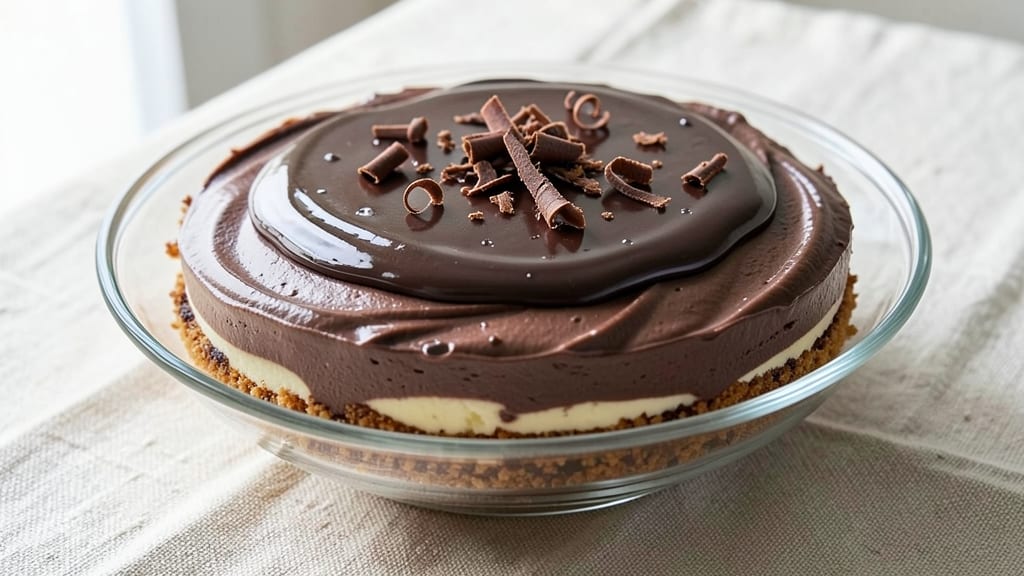
This Ruth's Chris chocolate mousse cheesecake delivers the restaurant's signature decadence with velvety ganache swirls and a perfectly crispy graham cracker crust. I've spent years refining this recipe to achieve that signature balance—rich, smooth chocolate mousse layered over a sturdy base that stays crisp even after chilling.
The secret lies in precise temperature control and proper layering techniques that prevent cracking.
The foundation of any great cheesecake is the crust, and this recipe nails it with a buttery graham cracker base that bakes just enough to stay crisp without burning. Meanwhile, the chocolate mousse layer uses high-quality cocoa powder and heavy cream to create that signature velvety texture.
The key is letting each layer set properly before adding the next—patience here makes all the difference.
What you'll end up with is a dessert that looks as impressive as it tastes—smooth chocolate mousse swirled with rich ganache, all perfectly balanced by that crispy crust. The texture is what makes this stand out: creamy yet firm, with each bite delivering that perfect harmony of flavors.
This is the kind of dessert that elevates any dinner party or special occasion.
Ready in about 5 hours (including chilling time), this recipe delivers restaurant-quality results with simple techniques and everyday ingredients. The best part? It's foolproof once you master the layering process. Let's get started on creating your own version of this classic restaurant dessert.
Ingredients for ruth's chris chocolate mousse cheesecake
High-quality cocoa, rich cream, and buttery graham crackers transform into restaurant-worthy decadence.
| Ingredient | Amount | Notes |
|---|---|---|
| Graham Crackers 🍪 | 2 cups | Crushed into fine crumbs |
| Unsalted Butter 🧈 | ½ cup | Cold, cut into small pieces |
| Granulated Sugar 🍚 | ¼ cup | For crust sweetness |
| Large Eggs 🥚 | 4 whole | Room temperature |
| Heavy Whipping Cream 🥛 | 2 cups | Cold, full-fat preferred |
| Cream Cheese 🧀 | 32 oz | Room temperature, full-fat |
| Granulated Sugar 🍚 | 1 ½ cups | For mousse sweetness |
| Unsweetened Cocoa Powder 🍫 | ½ cup | High-quality, Dutch-processed |
| Vanilla Extract 🌿 | 2 tsp | Pure Madagascar preferred |
| Dark Chocolate Chips 🍫 | 1 cup | 70% cocoa, chopped fine |
| Semisweet Chocolate Bars 🍫 | 6 oz | High-quality, chopped |
| Heavy Cream 🥛 | 1 cup | For ganache |
| Salt 🧂 | ½ tsp | Fine sea salt |
| Cornstarch 🌾 | 1 tbsp | For smooth texture |
The crust is everything—buttery, crisp, and sturdy enough to hold the mousse. Honey Maid Graham Crackers work best for that classic flavor, but any high-quality graham crackers crushed into fine crumbs will do. The butter needs to be cold and cut into small pieces for maximum flakiness. If you're using store-bought crumbs, pulse them in a food processor to mimic fresh texture. For the cocoa powder, Dutch-processed (like Hershey's Special Dark) creates a smoother mousse, while natural cocoa adds more depth. Buy in bulk if possible—it makes a noticeable difference in flavor.
No Dutch-processed cocoa? Natural cocoa powder at 1.5 times the amount works, though the color will be darker. Running out of heavy cream? Whole milk whipped with a touch of cornstarch can substitute in a pinch, but texture will differ. For the chocolate, Ghirardelli or Lindt bars are worth the splurge—they melt smoothly and add richness. If you must use chips, chop them extra fine to avoid graininess. The ganache requires high-quality chocolate—avoid pre-made mixes, which often contain stabilizers that alter texture. For a lighter mousse, reduce the cream slightly, but don't skip it entirely—fat content is key for that signature velvety mouthfeel.
This dessert requires patience—each layer must set properly to prevent cracking. The crust can be pre-baked and refrigerated for up to 3 days before assembling. Once fully chilled, it keeps for 5 days in the fridge, though it's best enjoyed within 3 days for optimal texture. For serving, let it sit at room temperature for 15-20 minutes before slicing—this ensures clean cuts and prevents the mousse from sliding. Leftovers can be frozen for 2 months if wrapped tightly in plastic wrap and foil, though texture may slightly alter upon thawing.
Why You'll Love This Recipe
- I’ll be real: I always make a second batch. The flavor improves overnight, and it’s cheap to boot—just eggs, cream, and a handful of graham crackers. Budget-friendly and impressive? That’s my kind of magic.
- No-Bake Bliss: I swear, the moment I realized this only needed blending—not baking—was a game-changer. Five minutes of pulsing graham crackers and butter into crumbs, then folding in eggs and cream? That’s my kind of dessert night.
- Rich Without Fuss: The chocolate mousse layer is where this shines—silky, not too sweet, with that buttery graham crust cutting through. Honestly, it tastes like a fancy bakery slice, but I’m the one who made it.
- Party-Proof Any Night: This is my go-to for date nights, last-minute guests, or just because. The crust holds up perfectly, and the mousse stays luscious even after hours. (Yes, even on a Tuesday night.)
Step-by-step instructions for ruth's chris chocolate mousse cheesecake
Here's how to assemble a restaurant-quality dessert with a perfectly crispy base and velvety ganache swirls.
Prepare the Crispy Graham Cracker Crust
Preheat your oven to 350°F and spread the 2 cups graham crackers evenly on a rimmed baking sheet. Toast for 8-10 minutes until they turn a rich golden brown color. Watch closely—they crisp quickly and can burn easily.
While still warm, transfer the toasted graham crackers to a food processor and pulse until you achieve fine, even crumbs. Add the 0.5 cup unsalted butter and 0.25 cup granulated sugar and pulse until fully combined. The mixture should look like wet sand with no large pieces remaining.
Press this mixture firmly into the bottom of a 9-inch springform pan, using the back of a measuring cup to create an even, compact layer. Bake for 10 minutes to set the crust completely. This pre-baking step ensures your crust stays crispy rather than soggy when the mousse is added later.
Create the Silky Chocolate Mousse Filling
In a medium saucepan, combine the 32 oz cream cheese, 1.5 cups granulated sugar, 0.5 cup unsweetened cocoa powder, and 0.5 tsp salt. Cook over medium-low heat, stirring constantly, until the mixture reaches 160°F and is completely smooth. This process takes about 5-7 minutes—be patient and keep stirring to prevent scorching.
Remove from heat and let cool slightly for 2 minutes. Then, whisk in the 4 whole large eggs, one at a time, ensuring each is fully incorporated before adding the next. This step is crucial for creating that signature Ruth's Chris texture—smooth, velvety, and perfectly set.
Return the mixture to low heat and add the 2 cups heavy whipping cream and 2 tsp vanilla extract. Cook for another 2 minutes, stirring constantly, until the mixture reaches 170°F and thickens slightly. Immediately pour this filling over the cooled crust in the springform pan and smooth the top with a spatula.
Prepare the Dark Chocolate Ganache
In a heatproof bowl, combine the 6 oz semisweet chocolate bars and 1 cup heavy cream. Place the bowl over a pot of simmering water, ensuring the bottom of the bowl doesn't touch the water. Stir gently until the chocolate melts completely and the mixture becomes glossy and smooth.
Remove from heat and let the ganache cool for 5 minutes until it reaches 110°F—it should be thick enough to hold its shape when drizzled. Then, gently fold in the 1 cup dark chocolate chips using a spatula until evenly distributed throughout the ganache.
Assemble and Chill the Cheesecake
Carefully pour the cooled ganache over the chocolate mousse layer in the springform pan. Using a skewer or knife, gently swirl the ganache through the mousse to create those signature marbled patterns. Work quickly but deliberately to achieve even distribution without overmixing.
Smooth the top with a spatula and cover the pan tightly with plastic wrap. Refrigerate for at least 6 hours, preferably overnight, to allow the filling to set completely. This chilling time is essential for developing the perfect texture—firm enough to slice cleanly but still creamy on the palate.
Serve with Confidence
Before serving, run a knife around the edge of the springform pan to loosen the cheesecake. Release the springform clamp and slide the base onto a serving plate. The crust should hold its shape beautifully, maintaining that crispy texture you worked so hard to achieve.
Slice into 8 even portions using a warm knife (dip the knife in hot water and wipe dry between cuts). Each slice should reveal those stunning ganache swirls throughout the velvety chocolate mousse. Serve immediately with fresh berries or a dollop of whipped cream for an elegant presentation that will impress any dessert lover.
Pro Tips For Making Ruth'S Chris Chocolate Mousse Cheesecake
- Pulse Graham Crumbs: DESCRIPTION: Use a food processor—not a blender—until the graham crackers are fine but still slightly sandy. Blenders turn them into paste, and you’ll end up with a crust that’s more glue than crunch. Trust me, I’ve made that mistake at 2 AM with a desperate need for dessert.
- Melt Butter Slowly: DESCRIPTION: Warm the butter for the crust in the microwave in 10-second bursts, stirring between each, until just melted—not hot. Pour it over the graham crumbs while they’re still cool, or you’ll end up with a soggy bottom. I learned this the hard way when my first batch turned into a sad, greasy puddle.
- Separate Eggs Precisely: DESCRIPTION: Crack eggs over a bowl, let the yolk slip through your fingers into one container, then tap the shell gently on the edge of the bowl to catch the white. No shells in your mousse—this isn’t a game of eggshell roulette. (Yes, I’ve had to fish one out mid-whipping. Not fun.)
- Whip Cream to Stiff Peaks: DESCRIPTION: Don’t stop at "soft peaks." Keep whipping the cream until it holds its shape when you lift the beaters and the tips leave a trail. Under-whipped cream folds into a dense, gummy mess—over-whipped? It’ll collapse. Aim for that perfect in-between where it’s light but still holds together.
Troubleshooting great ruth's chris chocolate mousse cheesecake
Cracked Crust Crisis
The most common issue with chocolate mousse cheesecakes is cracking—those dreaded spiderweb patterns that ruin an otherwise perfect dessert. This happens when the filling cools too quickly or when the oven temperature fluctuates.
I've found that preheating your oven for 20 minutes before baking the crust helps stabilize the environment. Also, avoid opening the oven door during the crust's 10-minute bake—every time you peek, you risk temperature drops that cause cracks later.
For the filling, let it cool to 110°F before pouring—this gradual temperature drop prevents thermal shock. If you're still seeing cracks, try adding 1 tbsp cornstarch to the mousse mixture. This acts as a stabilizer, creating a smoother texture that's less prone to shrinking as it sets. 💡
Soggy Bottom Syndrome
Nothing ruins a cheesecake faster than a soggy crust. The key is proper pre-baking—your crust should be fully set before adding the mousse layer. I recommend baking the crust for 10 minutes at 350°F until it's golden and firm to the touch.
If you skip this step, the moisture from the mousse will seep into the crust, turning it mushy.
For extra insurance, I like to chill the crust in the fridge for 15 minutes after pre-baking. This helps it firm up before the mousse goes on top. Pro tip: Use a 9-inch springform pan—it provides better insulation than disposable pans and helps maintain crust integrity.
If you're still having issues, try adding 1 tbsp flour to the crust mixture for extra structure.
Ganache Gone Wrong
A lumpy ganache can make your beautiful swirls look like a science experiment gone wrong. This usually happens when chocolate and cream aren't properly tempered. Start by using high-quality chocolate—I recommend Ghirardelli or Lindt bars—as they melt more smoothly.
Heat the cream to just under a simmer (195°F) before pouring it over the chopped chocolate. Let it sit for 2 minutes before stirring to allow the chocolate to bloom properly.
If your ganache is too thin, chill it for 10 minutes in the fridge before folding it into the mousse. For a thicker consistency, add 1 tsp cornstarch to the ganache mixture.
Remember, the ganache should be thick enough to hold its shape when drizzled but still pourable. The ideal temperature for swirling is 110°F—use a candy thermometer to check. 🌡️
Mousse Too Thin
A watery mousse is often caused by overmixing the eggs or not cooking the filling long enough. When adding the 4 eggs, whisk each one in completely before adding the next—this prevents air bubbles that can weaken the structure.
Cook the mixture until it reaches 170°F and thickens slightly, about 2 minutes after adding the cream.
If your mousse still seems too thin after chilling, try adding 1 tsp unflavored gelatin dissolved in 1 tbsp warm water. Mix it in gently—this will add body without altering the flavor.
For a lighter texture, whip the 2 cups heavy cream to soft peaks before folding it into the warm mousse mixture. This incorporates air for a fluffier result.
Uneven Setting
If your cheesecake has soft spots in the center while the edges are firm, it likely didn't chill long enough. This dessert needs at least 6 hours in the fridge to set properly—overnight is ideal.
I've learned the hard way that rushing this step leads to a wobbly, undercooked center that's far from restaurant-quality.
To prevent this, cover the pan tightly with plastic wrap pressed directly against the surface to minimize air exposure. Place it on the middle rack of the fridge where temperatures are most consistent.
If you're in a hurry, try using a water bath during chilling—place the springform pan in a larger pan filled with hot water, then cover and refrigerate. This helps distribute cold evenly throughout the dessert. ❄️
Nutrition facts
Frequently asked questions about ruth's chris chocolate mousse cheesecake
Can I make this cheesecake without a springform pan?
You can use a standard 9-inch cake pan, but you'll need to line it with parchment paper and grease it well. For the best results, though, a springform pan is ideal because it allows the cheesecake to release cleanly and maintains the signature shape. If you don't have one, a deep pie dish works in a pinch, but expect slightly thicker slices.
How do I fix a cracked cheesecake?
Cracks happen when the filling cools too quickly. To salvage it, cover the cheesecake with plastic wrap and refrigerate for an extra 4-6 hours to let it set fully. For presentation, use melted chocolate or whipped cream to disguise the cracks. The good news? Cracks don't affect the flavor—it'll still taste delicious!
Can I use a different crust instead of graham crackers?
For a nutty twist, try a crushed pecan or almond crust. You can also use digestive biscuits or even a shortbread crust. Just ensure your alternative is crushed finely and baked until firm. The key is maintaining that sturdy base to hold the mousse—any crispy, buttery crust will work beautifully.
Why does my ganache turn grainy?
Grainy ganache usually means the chocolate wasn't melted properly or the cream was too hot. Use high-quality chocolate and heat the cream to 195°F before pouring over chopped chocolate. Let it sit for 2 minutes before stirring to allow the chocolate to bloom smoothly. If it still looks grainy, strain it through a fine-mesh sieve before using.
How long can I keep this cheesecake at room temperature?
For food safety, this cheesecake should never sit at room temperature for more than 2 hours. If you're serving it at a party, keep it refrigerated until 30 minutes before serving, then let it sit at room temperature for 15-20 minutes to soften slightly. Always store leftovers in the fridge for up to 5 days.