
Desserts
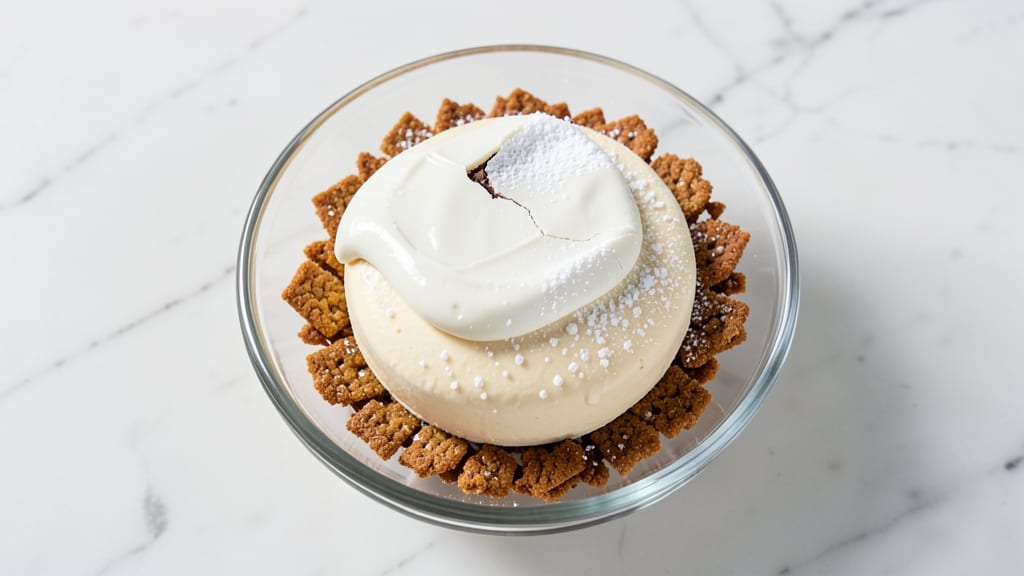
This Philadelphia white chocolate cheesecake recipe delivers a perfect balance of buttery crust and velvety white chocolate ganache swirls that will impress any dessert lover. The secret lies in using full-fat cream cheese for that signature creamy texture, combined with rich white chocolate that melts into silky ribbons throughout.
I developed this recipe after years of baking cheesecakes, refining it to achieve a dense yet tender crumb that holds up beautifully when sliced.
The foundation of this dessert is a crisp buttery crust that provides the ideal contrast to the luscious filling. Using a combination of graham crackers and butter creates a sturdy base that won't crumble when you cut into it.
The filling gets its signature swirls from a white chocolate ganache that's carefully folded in, creating marbled patterns that look as beautiful as they taste.
What you'll end up with is a cheesecake that's rich yet not overly sweet, with each bite offering a perfect harmony of creamy cheesecake and smooth white chocolate. The texture is dense enough to hold its shape but still tender enough to melt in your mouth.
This recipe serves 12 and requires about 3 hours of chilling time, making it perfect for special occasions or when you want to treat yourself.
Serve this elegant dessert with fresh berries or a drizzle of caramel sauce for added flair. The combination of the buttery crust, creamy filling, and white chocolate swirls makes this cheesecake a showstopper that's sure to become a favorite. Let's get started on creating this decadent treat!
Ingredients for philadelphia white chocolate cheesecake
Graham crackers, butter, and cream cheese—simple ingredients for a showstopping dessert.
| Ingredient | Amount | Notes |
|---|---|---|
| Graham Crackers 🍪 | 2 cups | Crushed into fine crumbs |
| Unsalted Butter 🧈 | ¾ cup | Cold and cubed for crust |
| Granulated Sugar 🍚 | ½ cup | For crust sweetness |
| Full-Fat Cream Cheese 🧀 | 32 oz | Room temperature, Philadelphia brand |
| Powdered Sugar 🍚 | 1 ½ cups | Sifted for smooth filling |
| Large Eggs 🥚 | 4 whole | Room temperature |
| Vanilla Extract 🌿 | 2 tsp | Pure Madagascar preferred |
| White Chocolate Bars 🍫 | 12 oz | High-quality, chopped |
| Heavy Cream 🥛 | 1 cup | Whipped for ganache |
| Salt 🧂 | ¼ tsp | Fine sea salt |
| Lemon Juice 🍋 | 1 tbsp | Freshly squeezed |
The graham crackers and butter are non-negotiable for that perfect crust. Honey Maid grahams are my go-to—they crush into fine crumbs without turning to dust. For the butter, Land O'Lakes or Plugrá work best when cold. If your grahams are stale, toast them first to bring back the crunch. The white chocolate? Ghirardelli or Lindt—avoid the dollar-store stuff. Chop it yourself for the best texture, and keep it in a cool, dark place until ready to use. The cream cheese needs to be room temperature—this is the secret to a silky filling. If you're in a rush, microwave it for 20 seconds, then let it sit for 5 minutes.
No graham crackers? Oreos or vanilla wafers work in a pinch, but the flavor won't be the same. Short on butter? Vegetable shortening can replace half of it, but the crust won't be as rich. The white chocolate ganache is where the magic happens—if you can't find white chocolate bars, white chocolate chips plus 1 tbsp extra cream will do. For extra depth, add a pinch of espresso powder to the filling. The lemon juice brightens everything up, so if you're out, white wine or vinegar can substitute. And trust me, the vanilla extract matters—imitation stuff will make your cheesecake taste flat.
This cheesecake needs 3 hours in the fridge to set properly, but it tastes even better the next day. Store leftovers covered in the fridge for up to 5 days. To serve, run a hot knife through the center for clean slices. The ganache swirls will look stunning—just don't overmix the filling, or you'll lose those beautiful ribbons. If you're making this ahead, assemble the crust and filling a day in advance, then bake and chill. The flavor develops overnight, making it even more decadent.
Why You'll Love This Recipe
- No Crust Fuss: I swear by this—just pulse graham crackers and butter in the food processor until it looks like wet sand. Spread it, press it, and you’ve got a foolproof crust that doesn’t require a single crumb of effort. (Yes, even on a Tuesday night.)
- White Chocolate Magic: That first bite? Creamy, rich, but not too heavy—thanks to the full-fat cream cheese and just the right amount of white chocolate swirled in. Honestly, the powdered sugar finish ties it all together like a hug from a dessert angel.
- Party in a Box: This thing holds up like a champ. Make it ahead for a dinner party, slice it for a potluck, or stash it in the fridge for when your kid’s soccer team needs snacks. The graham crust stays crisp, and the filling? Still luscious days later.
- Budget-Friendly Luxury: You’re using pantry staples here—no fancy ingredients, just good stuff. A block of cream cheese, a bag of graham crackers, and some sugar. Yet it tastes like you spent hours slaving over a gourmet dessert. (Between us, my wallet approves.)
Step-by-step instructions for Philadelphia white chocolate cheesecake
Here's how to create that dreamy white chocolate cheesecake with a buttery crust and silky ganache swirls.
Prepare the Crust with Cold Butter
Preheat your oven to 350°F. In a food processor, pulse the 2 cups graham crackers into fine crumbs—you want them almost like sand. Add the 0.75 cup cold unsalted butter and 0.5 cup granulated sugar, then pulse until the mixture resembles wet sand with pea-sized butter pieces.
Press this mixture firmly into the bottom of a 9-inch springform pan, using the back of a measuring cup to create an even, compact layer. The crust should be about ¼-inch thick. Bake for 10 minutes—this pre-bake ensures it won't get soggy when the filling goes in. Let it cool while you prepare the filling.
Create the White Chocolate Ganache
In a heatproof bowl, combine the 12 oz chopped white chocolate bars and 1 cup heavy cream. Place the bowl over a pot of simmering water (double boiler method), stirring gently until the chocolate melts completely and the mixture becomes smooth. Remove from heat and whisk in the 1 tbsp lemon juice—this brightens the flavor and prevents bitterness.
Let the ganache cool to 100°F before using. You want it thick enough to swirl but still pourable—it should coat the back of a spoon but not be runny. If it thickens too much, gently warm it over low heat with a splash of cream. The ganache is the star of this cheesecake, so take your time getting it perfect.
Mix the Cream Cheese Filling
In a large mixing bowl, beat the 32 oz room-temperature full-fat cream cheese until completely smooth—no lumps allowed. Add the 1.5 cups sifted powdered sugar and 0.25 tsp salt, mixing until fully incorporated. The mixture should be pale yellow and completely homogeneous.
Add the 4 whole room-temperature eggs one at a time, mixing just until each is fully incorporated after adding. Then stir in the 2 tsp vanilla extract. The batter should be thick but pourable—if it's too thick, add 1 tablespoon cream to loosen it slightly. This is your base filling before the ganache swirls.
Assemble and Bake the Cheesecake
Pour half of the cream cheese mixture over the cooled crust. Using a rubber spatula, gently spread it evenly. Then dollop the cooled white chocolate ganache on top in a zigzag pattern. Carefully fold the ganache into the cream cheese mixture with the spatula, creating beautiful swirls throughout.
Pour the remaining cream cheese mixture over the ganache swirls and gently tap the springform pan on the counter to release any air bubbles. Bake at 325°F for 50-60 minutes until the edges are set but the center still jiggles slightly. The top should be golden brown with a slight crack pattern—this indicates it's fully baked but still moist.
Cool and Set Properly
Turn off the oven, crack the door open, and let the cheesecake cool inside for 1 hour. This gradual cooling prevents cracking. Then remove it from the oven and let it cool completely at room temperature before refrigerating.
Once fully cooled, cover the cheesecake with plastic wrap and refrigerate for at least 6 hours or overnight. This long chilling time is crucial—it allows the flavors to meld and the texture to become perfectly silky. When ready to serve, run a knife around the edge and release the springform pan. The result should be a luscious, creamy cheesecake with those beautiful white chocolate swirls throughout.
Pro Tips For Making Philadelphia White Chocolate Cheesecake
- Preheat Your Pan: Pop your springform pan in the oven with the preheated rack—this guarantees the crust sticks instantly. I learned this the hard way after wrestling with a crumbly base that refused to hold shape.
- Pulse Graham Crumbs: Process graham crackers in the food processor until they’re fine but not powdery—think wet sand, not flour. Too coarse, and your crust won’t be crisp; too fine, and it’ll turn to paste.
- Whip Cream Cheese Cold: Take the cream cheese straight from the fridge and beat it slowly until smooth—no room for lumps. I used to rush this, and the batter always ended up grainy, no matter how much I mixed later.
- Water Bath Mandatory: Wrap that cheesecake in foil before baking* in the water bath—no exceptions. I skipped it once, and the edges cracked like a dried lake bed. The foil keeps the water out while letting steam do its magic.
Common mistakes when making this recipe
Overmixing the Filling
I’ve ruined more cheesecakes than I’d admit by overmixing the filling after adding the eggs. The moment you see streaks of egg whites or hear a slight whipping sound, STOP immediately. Overmixing incorporates too much air, which causes the center to collapse or crack during baking.
The filling should be smooth but still thick enough to hold its shape when poured. If you’re unsure, mix just until the eggs are fully incorporated—no more than 10-15 seconds per egg. 💫
Skipping the Crust Pre-Bake
This is a rookie mistake that leads to a soggy bottom. Always pre-bake the crust for 10 minutes at 350°F before adding the filling. The crust needs to set up enough to handle the moisture from the cheesecake batter.
If you skip this step, the butter will melt too much, and the crust will turn to mush. Pro tip: Press the crust into the pan firmly—it should be compact enough to hold a spoonful without crumbling.
Room-Temperature Cream Cheese
Cold cream cheese is the enemy of silky texture. If your cream cheese is straight from the fridge, it will create lumps that never dissolve, no matter how much you mix. Let it sit at room temperature for 1-2 hours before using.
If you’re in a hurry, microwave it for 20-30 seconds, then let it rest for 5 minutes to ensure it’s fully softened but not melted. The goal is 68°F—warm to the touch but not liquid.
Ganache Too Hot or Too Cold
The ganache needs to be at the perfect temperature when you fold it into the filling—100°F is ideal. If it’s too hot, it will melt the cream cheese, making the filling runny. If it’s too cold, it won’t swirl properly and will clump.
Test it by dipping a spoon in: it should coat the back of the spoon but not drip. If it’s too thick, warm it gently over a double boiler with a splash of cream. If it’s too thin, chill it for 5-10 minutes before using.
Opening the Oven Too Soon
Cheesecakes need time to set gradually. If you open the oven door too early or let in a draft, the sudden temperature change causes the center to sink or crack.
After baking, turn off the oven, crack the door open just 1 inch, and let it cool inside for 1 hour. This slow cooling helps the cheesecake firm up evenly. Then, let it cool completely at room temperature before refrigerating. Patience here makes all the difference!
Underestimating Chill Time
Rushing the chilling process is a fast track to disaster. This cheesecake needs 6 hours or overnight in the fridge to develop its full flavor and texture. If you cut into it too soon, the filling will be too soft and may not hold its shape.
The longer it chills, the creamier and more cohesive it becomes. I’ve learned the hard way—trust the process and let it rest. The wait is worth it for that perfect slice. ⏰
Nutrition facts
Frequently asked questions
Why does this recipe use Philadelphia brand cream cheese specifically?
Philadelphia cream cheese has a higher fat content (33%) compared to generic brands, which creates that signature silky, velvety texture. The full-fat version is non-negotiable for this recipe—it prevents cracking and delivers that rich, creamy mouthfeel. Generic brands often contain stabilizers that can make the filling gummy or grainy.
Can I make this cheesecake in a regular cake pan instead of a springform?
Yes, but with caution! Use a 9-inch round cake pan with removable sides, and grease it thoroughly with butter and flour. Line the bottom with parchment paper for easy removal. The key difference is that you'll need to run a hot knife around the edges before releasing it from the pan—springform pans release more cleanly. The texture won't change, but the presentation will be slightly less elegant.
How do I prevent the white chocolate ganache from seizing up?
Keep the heavy cream at room temperature before using, and chop the white chocolate into small, even pieces (no bigger than ½-inch cubes). If the ganache starts to thicken too much, whisk in 1 teaspoon of warm cream at a time until it reaches a smooth, pourable consistency. Never microwave it—this causes the chocolate to separate. A 100°F temperature is ideal for swirling.
What's the best way to serve this cheesecake for special occasions?
For a showstopping presentation, top with fresh raspberries or strawberries arranged in a circular pattern, then drizzle with warm caramel sauce. Add a sprinkle of crushed pistachios or hazelnuts for texture. Serve chilled in 3-inch slices on decorative plates. Pro tip: Use a hot knife (dipped in hot water) for clean, professional cuts that prevent crumbling.
Can I substitute white chocolate with something else if I'm out?
In a pinch, you can use 1 cup white chocolate chips plus 1 tablespoon extra cream, but the texture won't be as smooth. For a different flavor, try 1 cup melted marshmallows (for a fluffier texture) or ½ cup apricot jam (for a fruity twist). Keep in mind these substitutions will alter the final product—white chocolate's creamy richness is hard to replicate!