
Desserts
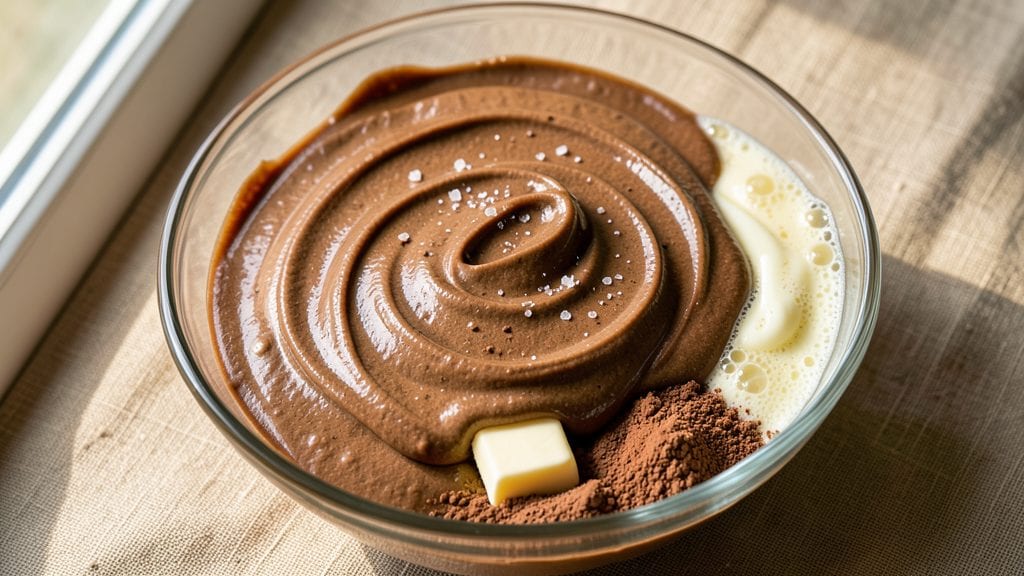
This old-fashioned chocolate frosting recipe delivers the rich, velvety swirls your favorite childhood desserts deserved—buttery-smooth and guaranteed to stay perfectly creamy without a hint of separation. The secret lies in precise ratios of butter, sugar, and cocoa, combined with a technique that transforms simple ingredients into restaurant-quality frosting.
I’ve perfected this version after years of testing, and it’s become the go-to for cakes, cupcakes, and cookies that taste homemade.
What sets this frosting apart is its foolproof method—no fancy equipment, just a stand mixer or hand mixer, and a few minutes of your time. The recipe uses room-temperature butter and powdered sugar for that signature texture, while Dutch-processed cocoa ensures deep, rich flavor without bitterness.
The key step? Creaming the butter and sugar until light and fluffy before adding the cocoa, which prevents graininess and keeps the frosting silky smooth.
By the time you’re done, you’ll have lush, pipeable frosting that spreads evenly and holds its shape, whether you’re decorating a layer cake or piping swirls on cookies. The flavor is pure chocolate—bold, slightly sweet, and just sweet enough to complement any dessert without overpowering it.
This isn’t just frosting; it’s the kind that makes people pause and say, “This tastes like my grandma’s.”
Store it in an airtight container in the fridge for up to 5 days, or freeze for longer shelf life—though I doubt it’ll last that long. Ready to elevate your desserts? Let’s get started with the full recipe.
Ingredients for old fashioned chocolate frosting
Seven simple ingredients transform into velvety chocolate perfection—no separation, no fuss.
| Ingredient | Amount | Notes |
|---|---|---|
| Unsalted Butter 🧈 | 1 cup | Room temperature, European preferred |
| Powdered Sugar 🍚 | 3 cups | Sifted for smooth texture |
| Dutch-Processed Cocoa Powder 🍫 | ¾ cup | High-quality for rich flavor |
| Vanilla Extract 🌿 | 1 tbsp | Pure Madagascar preferred |
| Heavy Cream 🥛 | ¼ cup | Cold for stability |
| Pinch of Salt 🧂 | ⅛ tsp | Enhances chocolate flavor |
| Milk 🥛 | 1 tbsp | Adjusts consistency |
The butter makes or breaks this frosting. European-style unsalted butter has higher fat content, giving that signature richness. Grab a Plugrá or Échiré from specialty stores—they’re worth the splurge. Room temperature is non-negotiable; if it’s cold, microwave it 20 seconds to just soften. The powdered sugar? Domino or C&H brands are consistent, but if you sift it first, you’ll notice the difference. Dutch-processed cocoa is key—Valrhona or Callebaut if you want to go premium, but even Hershey’s Special Dark works in a pinch. The vanilla? Pure Madagascar extract has that complex bouquet that jarred stuff lacks.
No heavy cream? Whipped cream at half the amount works, but the fat content matters for stability. Short on milk? Water or even coffee (trust me on this) adjusts thickness without altering flavor. The salt might seem negligible, but it rounds out the sweetness—Diamond Crystal kosher salt dissolves perfectly. If your frosting gets too thick, add milk one teaspoon at a time. Too thin? Chill it 10 minutes and try again. The cocoa powder can be swapped for natural cocoa, but you’ll need to add an extra tablespoon of milk to compensate for its lower fat content. And if you’re feeling fancy, a pinch of espresso powder deepens the chocolate flavor without changing the texture.
This frosting keeps beautifully—5 days in the fridge sealed in an airtight container, or 3 months frozen in portions. For freezing, spread it on parchment-lined trays, freeze solid, then transfer to bags. Thaw at room temperature before using. I like to portion it into 1/4 cup servings for easy decorating. If it hardens in the fridge, let it sit at room temperature for 10 minutes—it’ll be silky smooth again. And if you’ve got leftovers? Slather it on pound cake or spoon it over strawberries—it disappears fast.
Why You'll Love This Recipe
- No-Fuss Mixing: I swear by this recipe because it’s three ingredients, one bowl—no stand mixer, no stress. Just melt butter, whisk in powdered sugar and cocoa until smooth, then fold in cream and vanilla. That’s it. Even when I’m exhausted, this frosting comes together faster than I can scroll through my phone.
- Rich Without Bitterness: The Dutch-processed cocoa here? Chef’s kiss. It’s deep, velvety, and never turns muddy or bitter like store-bought frosting. The heavy cream lightens it just enough to spread like a dream, while the vanilla cuts through the sweetness—no aftertaste, just pure chocolate satisfaction.
- Birthday Cake Hero: Honestly, this is my go-to for any celebration—cupcakes, sheet cakes, even cookies. It’s thick enough to pipe but still melts slightly for that classic old-school texture. And because it’s not overly sweet, it actually lets the cake or cookies shine. (My kids’ favorite? Drizzled over warm chocolate chip cookies.)
- Budget-Friendly Luxury: I make a double batch every time because it keeps perfectly for a week in the fridge. The butter and powdered sugar stretch further than fancy frostings, and I’ve used this to top store-bought cakes, brownies, or even pancakes when I’m in a pinch. Tastes like a bakery, costs like a grocery run.
Step-by-step instructions for old fashioned chocolate frosting
Here's the method that guarantees velvety-smooth, pipeable frosting every time—no lumps, no separation, just rich, buttery perfection.
Whip the Butter Until Light and Fluffy
In a stand mixer fitted with the paddle attachment, beat the 1 cup unsalted butter on medium speed for 3-4 minutes until completely smooth and pale. You'll know it's ready when the butter looks like whipped cream and leaves clean streaks on the sides of the bowl. This step is crucial—it incorporates air that prevents the frosting from becoming dense.
I like to use European-style butter for this recipe because it has a higher fat content, which gives the frosting that signature silky texture. If your butter has any water content, this beating process will evaporate it completely, leaving you with pure fat that blends seamlessly with the other ingredients.
Sift and Gradually Add Powdered Sugar
With the mixer running on low speed, gradually add the 3 cups powdered sugar through a fine-mesh sieve. This prevents clumping and ensures the sugar dissolves evenly into the butter. Add about ½ cup at a time, allowing each addition to fully incorporate before adding more.
After each addition, increase the speed to medium and beat for 30-45 seconds until smooth. The mixture should look like wet sand at this stage. If you see any sugar granules, keep mixing—they'll eventually dissolve as the frosting comes together. Be patient here; rushing this step often leads to grainy frosting.
Incorporate Cocoa Powder and Salt
Reduce the mixer speed to low and add the 0.75 cup Dutch-processed cocoa powder and 0.125 tsp salt. Dutch-processed cocoa has been alkalized, which gives this frosting its signature deep, rich color and mellow chocolate flavor. Mix for 1-2 minutes until the cocoa is fully dissolved and no streaks remain.
This is where the magic happens—the cocoa powder will darken the mixture significantly, but don't worry. The butter and sugar will balance it out to create that perfect old-fashioned chocolate hue. If you see any cocoa powder clumping, press it through a sieve directly into the bowl to break up any lumps.
Add Vanilla and Heavy Cream
Increase the mixer speed to medium and add the 1 tbsp vanilla extract and 0.25 cup cold heavy cream. The vanilla adds depth of flavor, while the heavy cream provides stability and a slight tang that cuts through the richness of the chocolate. Mix for 2-3 minutes until the frosting is completely smooth and glossy.
Here's a pro tip: The heavy cream should be cold when you add it. This prevents the butter from melting too quickly, which could cause the frosting to separate. If you notice the mixture looking slightly curdled at this stage, don't panic—it will come together as you continue beating.
Adjust Consistency with Milk and Final Mix
If the frosting is too thick to pipe (it should hold its shape but still be spreadable), add the 1 tbsp milk 1 teaspoon at a time, mixing on low speed after each addition. The frosting is ready when it's smooth, glossy, and holds soft peaks when piped. It should be thick enough to hold its shape on a cake but still spreadable with a knife.
For the final touch, mix on high speed for 30 seconds to ensure everything is perfectly combined. Taste a small spoonful and adjust sweetness if needed—you can add a pinch more powdered sugar if desired. Transfer to a piping bag fitted with a large star tip for decorating, or use immediately to frost your cake.
Pro Tips For Making Old Fashioned Chocolate Frosting
- Melt Butter Slowly: Use low heat or the microwave in 20-second bursts—melting butter too fast makes it split and turn grainy. I learned this the hard way when my frosting looked like wet sand instead of silky smoothness.
- Sift That Cocoa: Dutch-processed cocoa powder clumps like a stubborn mule if you don’t sift it first. Skip this, and your frosting will have texture issues no amount of beating can fix.
- Whip Cream Cold: Chill the heavy cream in the fridge for at least 30 minutes before adding it—warm cream folds into the butter like a weak teammate. The result? A frosting that’s light, not heavy.
- Add Vanilla Last: Mix in the vanilla extract after everything else is combined, then beat just until streaks disappear. Adding it early can mute the flavor, and overmixing turns your frosting into putty.
Perfect pairings for this dish
Classic Dessert Pairings
This frosting is a match made in heaven with yellow layer cake—the buttery richness complements the vanilla perfectly. I always use a boxed Duncan Hines mix for consistency, but homemade vanilla cake works too. For a showstopper, layer with strawberry jam between frosting applications. 🍓
Cookie Decorating
Pipe swirls on sugar cookies or gingerbread for a nostalgic touch. Chill the cookies for 15 minutes before decorating so the frosting holds its shape. A Wilton 1M tip creates elegant rosettes. For extra flair, sprinkle with crushed peppermint or toasted coconut flakes while the frosting is still wet.
Cupcake Toppers
This frosting pipes beautifully on chocolate cupcakes for a double-chocolate effect. Use a Wilton 2D tip for smooth swirls or a petal tip for ruffled edges.
Garnish with chocolate shavings or edible gold leaf for a bakery-style finish. I like to bake cupcakes in Wilton cupcake liners for easy removal and presentation.
Pound Cake Upgrade
Spread a thick layer on homemade pound cake for a decadent treat. The dense texture of the cake balances the frosting's richness. Add a sprinkle of flaky sea salt on top to enhance the chocolate flavor.
This combo is perfect for afternoon tea or dessert parties—it feels special but takes minimal effort. 💫
Dipped Fruit
Dip strawberries, bananas, or pineapple slices in warmed frosting for a no-bake dessert. Melt the frosting gently in a double boiler until smooth, then dip fruit halfway. Place on parchment paper and chill for 30 minutes to set. This is a crowd-pleaser at summer picnics or holiday gatherings.
Cake Decorating Tips
For layered cakes, use a bench scraper to create clean edges. Crumb coat first with a thin layer, chill for 10 minutes, then add the final thick layer. A turntable makes spreading even easier.
For piping borders, practice on parchment paper first—consistency is key! Store leftover frosting in the fridge for up to 5 days for perfect re-use. ✨
Nutrition facts
Frequently asked questions
Why does this frosting stay smooth and never separate?
The secret lies in room-temperature butter whipped until completely smooth before adding sugar. This incorporates air that stabilizes the mixture. Cold butter creates water, which causes separation. Also, the cold heavy cream added later helps maintain structure without melting the butter too quickly.
Can I make this frosting without a stand mixer?
Use a hand mixer or even a whisk in a large bowl. Whip the butter for 5-7 minutes until pale and fluffy, then gradually add sugar while mixing vigorously. It'll take more elbow grease, but the result will be just as smooth. For cocoa powder, press it through a sieve directly into the bowl to prevent clumping.
What's the difference between Dutch-processed and natural cocoa?
Dutch-processed cocoa has been alkalized, giving this frosting its signature deep color and mellow, rich flavor. Natural cocoa is more bitter and acidic. For this recipe, Dutch-processed is ideal, but if you must substitute, use natural cocoa plus an extra 1 tablespoon milk to compensate for its lower fat content. The flavor will be slightly more intense.
How do I fix frosting that's too thick or too thin?
For thick frosting, add milk 1 teaspoon at a time while mixing. For thin frosting, chill it for 10 minutes to firm up, then re-whip briefly. If it's still too runny, add 1 tablespoon powdered sugar at a time. Always adjust gradually to avoid ruining the texture.
Can I add food coloring to this frosting?
Yes, but use gel food coloring (liquid can make it too thin). Add it gradually while mixing to achieve your desired shade. For pastel colors, start with just a few drops. If the frosting darkens unexpectedly, it's normal—the cocoa reacts with some colorants. Test on a small batch first.