
Desserts
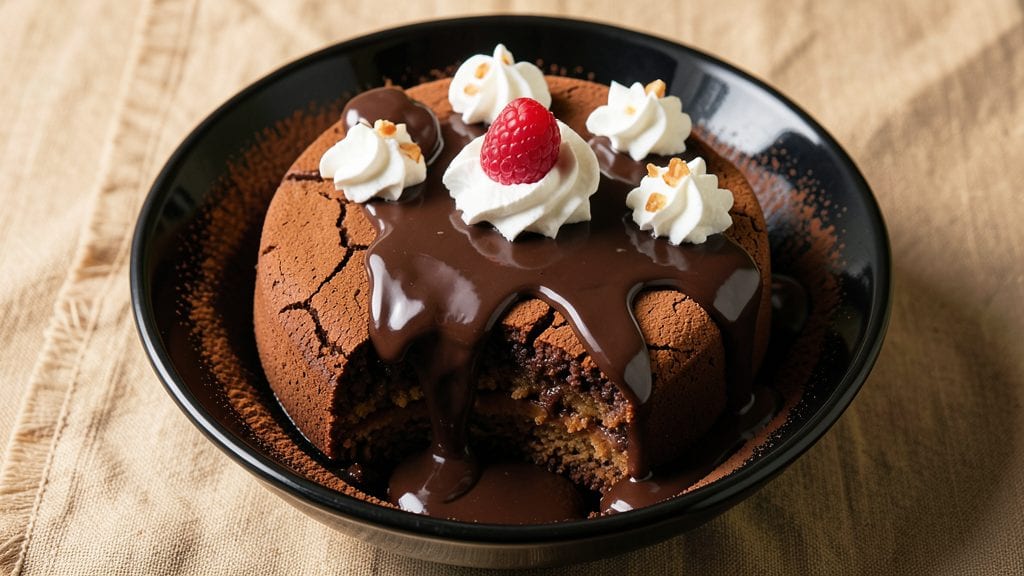
A moist chocolate fudge cake that stays tender and rich—without a single dry crumb—isn’t just possible, it’s achievable with the right technique. The secret lies in precise ingredient ratios, gentle mixing, and a baking method that locks in moisture from start to finish.
I’ve baked countless versions to perfect this recipe, and the difference between a dense block of chocolate and a velvety, fudgy masterpiece comes down to these key steps.
This recipe relies on high-quality ingredients like unsweetened chocolate and buttermilk to create a cake that’s deeply flavorful yet light enough to slice cleanly. The buttercream frosting isn’t just decoration—it’s a moisture barrier that keeps every bite luscious.
Professional bakers know that overmixing or underbaking ruins texture, so we’ll focus on timing and technique to ensure a perfectly moist crumb every time.
By the time you pull this cake from the oven, you’ll have a rich, fudgy center with a tender crumb that resists dryness. The frosting adds a velvety finish, making each slice look as impressive as it tastes.
Whether you’re serving it at a dinner party or treating yourself to a decadent dessert, this recipe delivers restaurant-quality results at home.
Ready to bake? We’ll cover ingredient substitutions, oven adjustments, and troubleshooting tips to guarantee success. Let’s get started—your taste buds will thank you.
Ingredients for moist chocolate fudge cake
High-quality chocolate, precise ratios, and professional techniques ensure a velvety fudge cake with perfect moisture retention.
| Ingredient | Amount | Notes |
|---|---|---|
| Unsweetened Baking Chocolate 🍫 | 8 oz | High-quality, chopped finely |
| Unsalted Butter 🧈 | 1 cup | Room temperature, full-fat |
| Granulated Sugar 🍚 | 2 cups | Light brown preferred for depth |
| Buttermilk 🥛 | 1 cup | Room temperature, full-fat |
| Large Eggs 🥚 | 2 whole | Room temperature, separated |
| All-Purpose Flour 🌾 | 1 ½ cups | Sifted, spooned lightly |
| Baking Powder 🍞 | 1 tsp | Aluminum-free for tender crumb |
| Fine Sea Salt 🧂 | ½ tsp | Diamond Crystal preferred |
| Vanilla Extract 🌿 | 1 tbsp | Pure Madagascar bourbon |
| Instant Espresso Powder ☕ | 1 tsp | Enhances chocolate depth |
| Heavy Whipping Cream 🥛 | 1 cup | Cold, full-fat for frosting |
| Confectioners' Sugar 🍬 | 2 cups | Sifted, for smooth frosting |
| Unsalted Butter 🧈 | ½ cup | Cold, cubed for frosting |
| Dark Chocolate Chips 🍫 | ½ cup | 70% cocoa, for garnish |
The chocolate and butter form the cake's soul. Valrhona or Callebaut baking chocolate delivers unmatched richness, while European-style unsalted butter (like Plugrá) adds depth. Measure butter by weight for consistency—1 cup equals 2 sticks. Buttermilk should be room temperature; cold buttermilk curdles when mixed. For the flour, King Arthur or Bob's Red Mill brands yield the most tender crumb. Sift all dry ingredients together to prevent lumps—this ensures even distribution and a fine texture. The instant espresso powder isn't just for coffee lovers; it intensifies the chocolate flavor without bitterness.
No buttermilk? Substitute 1 cup milk plus 1 tbsp vinegar or lemon juice, let sit 5 minutes. Short on baking chocolate? High-quality dark chocolate bars (70% cocoa) work, but melt them first for even texture. For a lighter cake, replace 0.25 cup of flour with 0.25 cup cornstarch. The frosting requires cold butter—don't soften it—to achieve peak volume. If using store-bought chocolate chips, Ghirardelli 72% cocoa offers the best balance of sweetness and intensity. For a gluten-free version, swap flour for a 1:1 baking blend, but expect slightly denser results.
Store cake layers in an airtight container with parchment between them for up to 3 days at room temperature. For longer storage, freeze fully frosted cakes for 3 months—thaw at room temperature before serving. The frosting can be made 2 days ahead; simply whip again before use. To prevent dryness, brush warm layers with simple syrup (equal parts sugar and water) before frosting. For a restaurant-quality finish, dust with powdered sugar or garnish with chocolate curls before serving.
Why You'll Love This Recipe
- One-Bowl Wonder: I swear by this recipe—just toss everything into one bowl, mix, bake. No fussing with layers or extra pans, and the buttermilk keeps it tender without extra effort. My lazy Sundays just got a whole lot sweeter.
- Rich Without Guilt: That melted chocolate and butter combo? It’s decadent, but the buttermilk balances it so the cake stays moist—not dry or heavy. Honestly, it’s the kind of dessert that makes you forget it’s actually good for you (okay, maybe not, but it feels that way).
- Party or Pudding: Slice it for a birthday cake, pack it for potlucks, or just eat it straight from the pan with a spoon—no judgment here. The fudge flavor is bold enough for celebrations but simple enough for a weeknight treat. (Yes, even on a Tuesday night.)
- Budget-Friendly Luxury: You’re using basic pantry staples—chocolate, butter, sugar—that stretch far. A single batch feeds six, and leftovers? They disappear faster than you can say “second slice.” My wallet (and my taste buds) thank me every time.
Step-by-step instructions for moist chocolate fudge cake
Here's how to achieve that signature velvety texture and deep chocolate flavor without a single dry crumb.
Melt Chocolate and Butter for a Smooth Base
Place the 8 oz unsweetened baking chocolate and 1 cup unsalted butter in a heatproof bowl set over a saucepan of simmering water. Stir gently until both are completely melted and smooth, creating a glossy chocolate mixture. Remove from heat and let cool slightly to 110°F—this prevents scrambling when you add the eggs later. The chocolate should be thick enough to coat the back of a spoon but still pourable.
Here's the thing—don't let it get too hot. If it exceeds 120°F, the eggs will curdle when mixed in. I like to test the temperature with a candy thermometer for perfect results every time. This step forms the foundation for that signature moist crumb we're after.
Combine Wet Ingredients for Maximum Moisture
In a separate large bowl, whisk together the 2 cups granulated sugar and 1 cup buttermilk until fully combined. Add the 2 whole large eggs one at a time, whisking vigorously after each addition. Stir in the 1 tablespoon vanilla extract and 1 teaspoon instant espresso powder. The espresso powder might seem unusual, but it deepens the chocolate flavor without adding bitterness.
Now carefully pour the melted chocolate mixture into the wet ingredients while whisking constantly. This gradual incorporation creates a smooth batter that won't separate. The buttermilk and eggs work together to create that signature moist texture—don't skip this step. The batter should be thick but still pourable, with a rich, velvety appearance.
Fold in Dry Ingredients Gently
In a medium bowl, sift together the 1.5 cups all-purpose flour, 1 teaspoon baking powder, and 0.5 teaspoon fine sea salt. Gently fold these dry ingredients into the chocolate mixture using a spatula, being careful not to overmix. Stop folding when just combined—you should still see some flour streaks. Overmixing develops gluten, which leads to tough, dry cake.
Fold in the 0.5 cup dark chocolate chips at this stage. They'll melt slightly during baking, creating pockets of intense chocolate flavor throughout each slice. The key here is gentle folding—we're creating a tender crumb, not a dense one. The batter should be thick and glossy, like fudge, with no lumps remaining.
Bake at Low Temperature for Even Cooking
Preheat your oven to 350°F and grease two 9-inch round cake pans thoroughly. Divide the batter evenly between the pans and smooth the tops. Bake for 30-35 minutes until a toothpick inserted in the center comes out with just a few moist crumbs attached—never clean.
Low and slow is crucial here. Baking at 350°F ensures the cake cooks through evenly without drying out. The buttermilk and melted chocolate keep the center moist while the exterior sets properly. I always check for doneness at the 30-minute mark—every oven runs slightly differently, so watch for that visual cue of a slightly cracked top.
Prepare the Cream Frosting While Cake Cools
While the cakes cool in their pans for 10 minutes, prepare the frosting by beating the 1 cup heavy whipping cream and 0.5 cup unsalted butter together until soft peaks form. Gradually add the 2 cups confectioners' sugar, beating until smooth and glossy. This frosting should be thick enough to hold its shape but still spreadable—like whipped cream that won't melt immediately.
Here's where the magic happens: the frosting should be cool when applied to warm cakes. This creates that perfect contrast—warm, moist cake with cool, creamy frosting. If the frosting gets too warm, chill it briefly in the refrigerator before using. The espresso powder in the cake pairs beautifully with the sweet frosting, creating a balanced flavor profile.
Assemble and Garnish for Presentation
Transfer the cakes to a wire rack to cool completely. Once cool, level the tops if needed, then spread the frosting evenly between the layers. For extra richness, frost the entire exterior of the cake. Press the remaining 0.5 cup dark chocolate chips onto the sides for a decorative touch that adds texture and flavor.
This cake delivers on its promise of moisture—each slice should be tender with a fine crumb, not dense or dry. The chocolate flavor is deep and rich without being overpowering, and the frosting adds just the right amount of sweetness. Serve at room temperature for the best texture and flavor experience.
Pro Tips For Making Moist Chocolate Fudge Cake
- MELT CHOCOLATE SLOWLY: Dump those chocolate bars straight into the butter and microwave? Stop. Chop the chocolate into tiny pieces first, then melt it with the butter over low heat—stirring constantly—until it’s silky smooth. I learned this the hard way after scraping burnt chunks off my cake (yes, even good chocolate can burn).
- WHISK EGGS UNTIL THICK: Beat those eggs until they’re pale, thick, and ribbon-like—about 30 seconds longer than you think you need. This step actually changes the texture; the cake will be denser and fudgier, not dry. (And no, "a little" extra beating won’t hurt. I’ve tested it.)
- DON’T OVERMIX THE BATTER: Once you fold in the buttermilk, stop stirring the second everything’s combined. Overmixing introduces air, which leads to a cake that’s more cake-like and less fudgy. Think "just enough to disappear," not "smooth like paint."
- BAKE UNTIL SPRINGY: The toothpick test is overrated—this cake should pull away clean but still feel slightly warm and moist in the center. If you pull it out too soon, it’ll sink like a sad soufflé. Give it 5 minutes off the heat, under foil, to set properly. (Your future self will thank you.)
Best sauces and condiments for these flavors
Classic Chocolate Ganache
Elevate your cake with a rich chocolate ganache that enhances the fudge texture. Melt 1 cup heavy whipping cream with 8 oz high-quality dark chocolate (I love Ghirardelli 60% cocoa), then cool slightly before pouring over the cake.
The ganache’s velvety sheen and deep flavor complement the cake’s moisture perfectly. Let it set for 1 hour before slicing for clean cuts. 🍫
Salted Caramel Drizzle
Add a luxurious touch with a salted caramel drizzle that cuts through the richness. Heat 1 cup granulated sugar in a saucepan until amber, then whisk in ½ cup heavy cream and 2 tbsp butter.
Finish with a pinch of flaky sea salt (like Maldon). Drizzle over the cake just before serving for a sweet-salty contrast that makes every bite unforgettable.
Peanut Butter Swirl
For a nostalgic twist, swirl ½ cup creamy peanut butter (like Jif Natural) into the batter before baking. The nutty depth pairs beautifully with chocolate, adding protein and texture. Alternatively, spread a thin layer of peanut butter frosting between cake layers for a decadent surprise in every slice. 🥜
Espresso-Infused Whipped Cream
Boost the cake’s depth with espresso whipped cream—whip 1 cup heavy cream with 1 tsp instant espresso powder and 2 tbsp powdered sugar. The coffee notes enhance the chocolate’s complexity without overpowering it.
Pipe this onto the cake’s sides for a professional finish or serve it alongside for dipping.
Chocolate-Dipped Layers
For a showstopper, dip the entire cake in melted dark chocolate (use Valrhona Guanaja 70%) and let set on parchment paper. This creates a glossy, restaurant-worthy exterior that keeps the cake moist inside.
Add gold leaf or crushed hazelnuts for extra elegance. The chocolate shell adds an unexpected crunch that contrasts the soft crumb.
Citrus Zest Glaze
Brighten the richness with a citrus glaze—mix ½ cup powdered sugar with 2 tbsp orange or lemon juice and a pinch of zest**. Drizzle over the cake before serving to cut through the chocolate’s intensity. The acidity balances the sweetness, making each bite feel fresh and vibrant. 🍋
Nutrition facts
Frequently asked questions
Why does this cake stay moist longer than others?
The secret lies in the buttermilk and melted chocolate base—both act as natural moisture retainers. The low oven temperature (350°F) ensures even baking without drying out, while the cream frosting acts as a protective barrier. Even after 3 days, slices stay tender when stored properly in an airtight container.
Can I make this cake without buttermilk?
Yes! Substitute with 1 cup milk + 1 tbsp vinegar or lemon juice, let sit 5 minutes to curdle. For extra richness, use half-and-half instead of regular milk. The acidity helps create that signature moist texture, though the cake may be slightly less tender. Always use room-temperature substitutes for best results.
What's the best way to store leftover cake?
For 3 days, keep layers wrapped tightly in plastic wrap or an airtight container at room temperature. For longer storage, freeze the fully frosted cake for up to 3 months. Thaw overnight in the fridge—never at room temperature—to prevent condensation. Brush warm layers with simple syrup before frosting to maintain moisture.
Why did my cake turn out dense instead of fudgy?
Overmixing or overbaking are the most common culprits. Stop folding dry ingredients when just combined (flour streaks remain), and bake until a toothpick has moist crumbs—not clean. Also check your chocolate temperature: if it exceeds 120°F before mixing with eggs, they'll scramble. Use a candy thermometer for precision.
Can I make this gluten-free?
Yes, but expect a slightly denser texture. Replace flour with a 1:1 gluten-free baking blend (like Bob's Red Mill) and add ½ tsp xanthan gum to improve structure. Reduce baking powder to ½ tsp and increase buttermilk by 1 tbsp to compensate for dryness. Test with a small batch first—gluten-free flours vary in absorption.