
Desserts
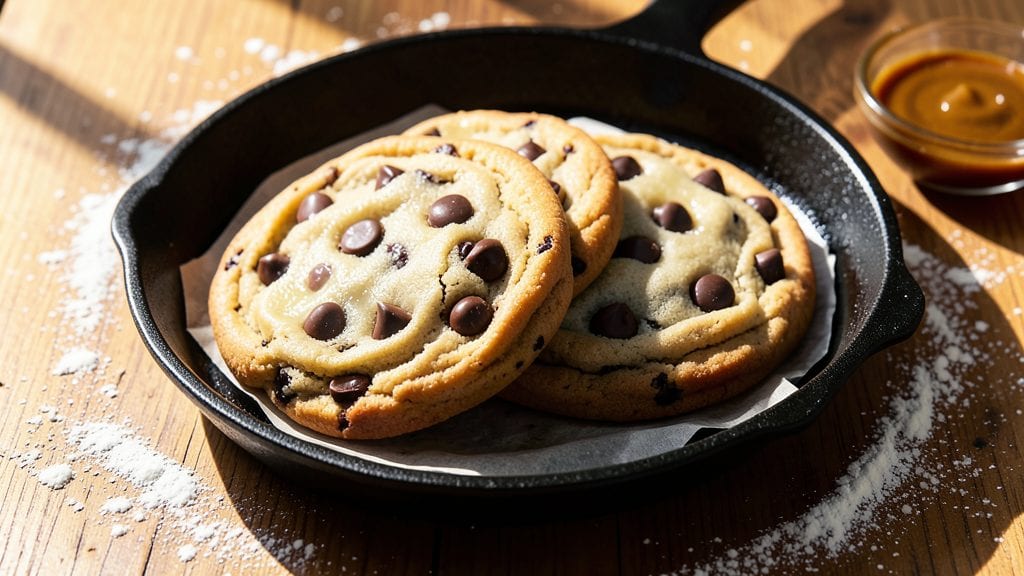
Jessie James Decker's chocolate chip cookie recipe delivers the perfect balance of crispy edges and gooey centers, with a signature brown butter swirl that takes these cookies to the next level.
After years of perfecting her technique, Jessie's approach transforms a classic into something truly special—rich, nutty, and impossible to resist. The secret lies in the brown butter, which adds depth and caramel notes that set these apart from standard chocolate chip cookies.
This recipe requires just a handful of simple ingredients, but the technique makes all the difference. You'll need to brown the butter properly (don't skip this step!) and fold it into the dough in a way that creates those signature swirls.
The dough is thick and sturdy, ensuring cookies that hold their shape while still maintaining that classic chewy texture. With a 12-minute bake time at 350°F, you'll have golden-brown cookies with crisp edges and soft centers every time.
What makes these cookies truly exceptional is the brown butter swirl, which adds a nutty, caramelized flavor that pairs perfectly with the melted chocolate. The combination of rich butter, melted chocolate, and the subtle sweetness of brown sugar creates a cookie that's both indulgent and balanced.
These aren't just cookies—they're a dessert experience that rivals anything you'd find at a bakery.
Once you try Jessie's method, you'll never go back to plain chocolate chip cookies again. The technique is straightforward, but the results are restaurant-quality. Whether you're baking for a holiday gathering or just treating yourself, these cookies are sure to impress. Let's get started on mastering this signature recipe!
Ingredients for jessie james decker chocolate chip cookie
Just eleven ingredients transform into Jessie James Decker's legendary brown butter cookies—where technique elevates every bite.
| Ingredient | Amount | Notes |
|---|---|---|
| Unsalted Butter 🧈 | 1 cup | Cold, cut into 1-inch cubes |
| Granulated Sugar 🍚 | ¾ cup | Standard white sugar |
| Brown Sugar 🍯 | ¾ cup | Packed firmly, light variety |
| Large Eggs 🥚 | 2 whole | Room temperature, beaten |
| Vanilla Extract 🌿 | 2 tsp | Pure, high-quality extract |
| All-Purpose Flour 🌾 | 2 ½ cups | Sifted, spooned and leveled |
| Baking Soda 🧂 | ½ tsp | Pure, unadulterated |
| Diamond Crystal Kosher Salt 🧂 | ½ tsp | Fine grain preferred |
| Chocolate Chips 🍫 | 2 cups | Semi-sweet, 1.5 oz per cup |
| Flaky Sea Salt 🧂 | 1 tbsp | For finishing cookies |
| Brown Butter Swirl 🧈 | ½ cup | Nutty, caramelized butter |
The butter is non-negotiable—European-style unsalted like Plugrá or Kerrygold delivers unmatched flavor, though Land O'Lakes works in a pinch. For the brown butter swirl, brown ½ cup of the butter until nutty and golden, then cool completely before folding into the dough. The brown sugar should be packed firmly—use a spoon to press it down. Chocolate chips? Guittard or Ghirardelli semi-sweet provide the best melt. Store your butter in the freezer for up to 6 months to preserve freshness, and always let it sit at room temperature for 1 hour before creaming.
No brown butter? Caramelized butter (melted with a pinch of salt) mimics the depth, though it lacks the true nutty notes. Swap granulated sugar for turbinado if you prefer a crunchier texture, but reduce by 1 tbsp to account for moisture. For chocolate alternatives, white chocolate chips or dark chocolate chunks work—just adjust the sweetness to taste. The vanilla extract must be pure; imitation extracts add artificial notes that disrupt the delicate balance. If your flour is old, sift it with the baking soda to ensure proper leavening. The dough will be thick and sturdy—don't overmix, or the cookies will spread too much.
Cookies keep at room temperature for 5 days in an airtight container, though they're best enjoyed within 2 days for peak texture. For longer storage, freeze the dough balls on a tray, then transfer to a sealed bag for up to 3 months. Bake straight from frozen, adding 1-2 minutes to the time. The brown butter swirl adds richness that intensifies over time—reheat cookies at 300°F for 3-4 minutes to restore that gooey center. Portion the dough into 1.5 oz balls for consistent size, and use a parchment-lined tray to prevent sticking.
Why You'll Love This Recipe
- No-Fuss Dough: I swear, this recipe’s got the easiest dough—just cream butter, toss in sugars, crack eggs, and fold in vanilla. No food processor, no complicated steps, just a soft, buttery pile that’s ready for baking in 10 minutes. (Yes, even if you’re still in your pajamas.)
- Rich, Buttery Crunch: That perfect balance of brown sugar’s chew and granulated sugar’s crisp edges? Chef’s kiss. The butter—creamed just right—makes every bite taste like a warm hug, while the vanilla ties it all together. Honestly, I’ve tried fancier cookies, but these hit the spot every time.
- Weeknight Magic: These cookies are my go-to for movie nights, teacher gifts, or just because. Bake a tray, let them cool, and boom—you’ve got a snack for the week. I’ll often freeze half the batch and pull them out when I need a quick treat. (They taste just as good cold, by the way.)
- Budget-Friendly Staples: You’re using pantry basics here—no specialty ingredients, no overpriced add-ins. Butter, sugar, eggs, vanilla? That’s it. And one batch makes enough for sharing (or not, if you’re like me). Between us, this is the kind of recipe that makes grocery day feel like a win.
Step-by-step instructions for Jessie James Decker's chocolate chip cookie recipe
Master Jessie's signature technique for cookies with a rich brown butter swirl and perfect texture.
Prepare the Brown Butter Swirl
In a small saucepan, melt the 1 cup unsalted butter over medium heat until it begins to foam. Tilt the pan slightly and swirl occasionally to distribute the butter evenly. Continue cooking until the butter turns a deep golden brown and emits a nutty aroma—this takes about 5-7 minutes. The butter should smell distinctly caramelized, not burnt.
Immediately remove the pan from heat and pour the brown butter into a small bowl to cool slightly. Once cool enough to handle, use a fork to lightly beat the brown butter until it reaches a spreadable consistency. This creates the signature swirl that becomes the cookie's signature flavor burst. Set aside to cool completely before using.
Cream Butter and Sugars
In a stand mixer fitted with the paddle attachment, combine the 0.75 cup granulated sugar and 0.75 cup brown sugar with the cooled brown butter swirl. Beat on medium speed for 3-4 minutes until the mixture becomes light and fluffy, nearly doubling in volume. The color should transform from pale yellow to a rich caramel hue—this indicates proper emulsification.
This creaming process is critical for developing the cookie's signature texture. The brown butter adds depth while the sugars incorporate air, creating that signature crackly top. Scrape down the sides of the bowl with a spatula every minute to ensure even mixing. The mixture should be smooth and thick, clinging to the paddle slightly when you lift it.
Add Eggs and Vanilla
Add the 2 whole large eggs one at a time, mixing on low speed for 30 seconds after each addition until fully incorporated. Then add the 2 teaspoons vanilla extract and mix for another 10 seconds. The batter should be smooth with no visible streaks of egg white. This step ensures the cookies develop their signature moisture without becoming cakey.
I always use room-temperature eggs for this recipe—they blend more smoothly and create a more tender cookie. If your eggs are cold, the mixture will look curdled initially, but it will come together once you add the dry ingredients. The vanilla extract should be pure, not imitation, as the flavor difference is noticeable in this delicate recipe.
Combine Dry Ingredients
In a separate bowl, whisk together the 2.5 cups all-purpose flour, 0.5 teaspoon baking soda, and 0.5 teaspoon diamond crystal kosher salt. Sift the mixture directly into the wet ingredients while mixing on low speed for 30-45 seconds until just combined. Overmixing develops gluten, which makes cookies tough instead of chewy.
Stop mixing as soon as you see a few flour streaks remaining—this indicates proper incorporation. The dough should be thick and slightly sticky but manageable. Fold in the 2 cups chocolate chips by hand using a silicone spatula, ensuring even distribution throughout the dough. The chocolate should be visible but not clumped together.
Chill and Shape Cookies
Cover the dough with plastic wrap and refrigerate for at least 1 hour or up to 24 hours. Chilling is non-negotiable—it allows the flour to fully hydrate and the butter to solidify, preventing excessive spreading in the oven. The dough should be firm enough to handle without sticking to your fingers.
Preheat your oven to 350°F and line two baking sheets with parchment paper. Scoop the chilled dough into 2-tablespoon portions (about 1.5 ounces each) and place them 3 inches apart on the prepared sheets. The cookies should be slightly rounded but not perfectly formed—they'll spread during baking.
Bake to Golden Perfection
Bake the cookies for 11-13 minutes until the edges are golden brown but the centers still look slightly underdone. They should pull away from the sides of the baking sheet but remain soft in the middle. Rotate the pans halfway through baking for even browning.
Remove the cookies from the oven and immediately sprinkle each with a pinch of flaky sea salt. Let them cool on the baking sheet for 5 minutes before transferring to a wire rack. The centers should be gooey and slightly underbaked, with a crisp exterior and a rich brown butter swirl visible in each cookie. Enjoy them warm for the ultimate experience—these cookies are best served fresh from the oven.
Pro Tips For Making Jessie James Decker Chocolate Chip Cookie
- Cream Butter Slowly: I learned this the hard way—dumping cold butter into sugar at room temp means you’re fighting lumps later. Use a stand mixer (or hand mixer) and let the butter soften first while mixing, then add sugars gradually. The dough will come together smoother, and you’ll avoid that grainy texture that ruins everything.
- Measure Brown Sugar Right: Pack that brown sugar like you’re stuffing a Thanksgiving turkey—firmly, no air gaps. Too loose? Your cookies turn out flat and cakey. Use a spoon to press it down in the cup, then level with a knife. (Yes, even if you’re impatient like me.)
- Skip the Overmixing: Once the dough forms, stop mixing the second it holds together. Overwork it, and you’ll end up with tough, chewy cookies instead of the crispy edges and soft centers this recipe promises. Scrape the dough into a ball with wet hands—it’s messy, but it works.
- Use Room-Temp Eggs: Cold eggs from the fridge can cause the butter to seize up mid-mix, leading to a dough that fights you every step. Let eggs sit out for 30 minutes before cracking them in. The dough will be creamier, and the cookies will bake more evenly—no more underdone centers or over-browned edges.
Troubleshooting perfect results
Dough Too Sticky?
If your dough feels too sticky after mixing, it’s likely because the butter melted too much during creaming. Let the dough rest in the fridge for an extra 30 minutes—this helps the flour absorb moisture.
For a quick fix, chill the dough in the freezer for 20 minutes while you prep the baking sheets. I’ve also found that using a KitchenAid stand mixer with a dough hook for the final 30 seconds of mixing helps firm it up slightly.
Cookies Spread Too Much
Over-spreading usually means the butter wasn’t chilled enough before baking. Always scoop dough from a cold fridge (not room temp) and flatten it slightly with your palm to encourage even spreading. If your kitchen is warm, bake at 325°F instead of 350°F and reduce time by 1-2 minutes.
I’ve also had success underbaking by 30 seconds—they’ll finish cooking as they cool.
Brown Butter Swirl Disappeared
The swirl vanishes when the butter melts completely during baking. To preserve it, fold the brown butter into the dough last (after adding chocolate chips) and handle the dough as little as possible. For extra insurance, use room-temperature brown butter (not melted) when folding—it’ll swirl more dramatically.
If all else fails, add a dollop of brown butter to the center of each cookie before baking for a visible effect. 🧈
Cookies Too Cakey
Cakey texture comes from overmixing or using too much flour. Measure flour by spooning and leveling (never scooping) and stop mixing as soon as dry ingredients disappear. For extra chew, replace ¼ cup flour with ¼ cup cornstarch—it adds tenderness.
I’ve also found that underbaking by 30 seconds and letting cookies cool longer on the sheet helps them develop that signature chew.
Chocolate Chips Didn’t Melt
Use high-quality chocolate chips (like Ghirardelli or Guittard) and bake at the upper end of the time range (closer to 13 minutes). For extra melt, place a small ramekin of water in the oven while baking—it creates steam that helps soften the chocolate.
If chips stay firm, sprinkle them on after baking for a contrasting texture.
Cookies Burned on Bottom
This happens when the oven runs hot or cookies touch the tray. Always use parchment paper (not silicone mats) and rotate pans halfway through baking. For even heat, place a baking stone on the lower rack 10 minutes before preheating.
I’ve also had success lowering the oven rack to the middle position—this prevents hot spots.
Nutrition facts
Frequently asked questions
Why does Jessie's recipe use brown butter instead of regular butter?
The brown butter adds a deep, nutty caramel flavor that transforms these into something special. When browned properly, it creates a rich, toasty aroma that pairs perfectly with the chocolate chips. The swirl technique distributes this flavor throughout each cookie, making every bite more complex than traditional chocolate chip cookies.
Can I make these cookies without a stand mixer?
Use a hand mixer or even a sturdy wooden spoon. For the creaming step, work in batches if needed—just mix the butter and sugars vigorously for 5-7 minutes until light and fluffy. The key is patience; you'll need to scrape down the bowl often to get that proper emulsification that gives these cookies their signature texture.
How do I get the perfect brown butter swirl?
Brown the butter until it's a deep golden color with nutty aromas, then let it cool completely before folding. Use a fork to lightly beat it until spreadable, then fold it into the dough last (after adding chocolate chips). Handle the dough minimally after this step to preserve the swirl pattern. For extra drama, add a small dollop of brown butter to the center of each cookie before baking.
What's the best way to store these cookies?
Keep them in an airtight container at room temperature for up to 5 days, though they're best enjoyed within 2 days for peak texture. For longer storage, freeze the dough balls on a tray, then transfer to a sealed bag for up to 3 months. Bake straight from frozen, adding 1-2 minutes to the time. The brown butter flavor actually improves with time, so these make great gifts!
Can I substitute white chocolate for semi-sweet chocolate chips?
Yes, but adjust the sweetness to taste. White chocolate will make the cookies sweeter, so you might want to reduce the granulated sugar by 1-2 tablespoons. For a fun twist, mix both types of chocolate chips together. The key is to use high-quality chocolate that melts beautifully—avoid store-brand chips that often contain wax coatings that prevent proper melting.