
Desserts
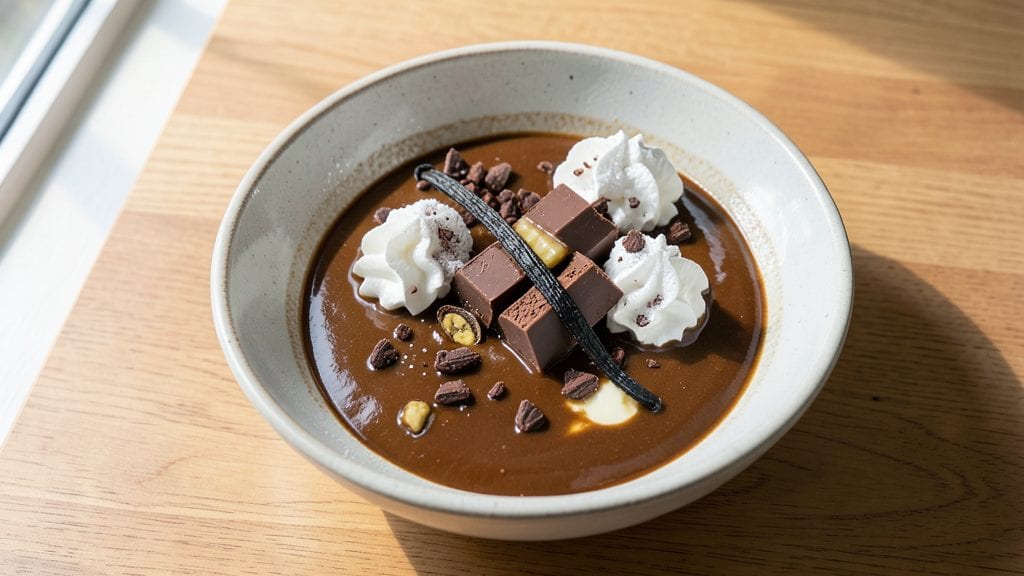
Creating Belgian-style truffle bites with Dubia chocolate delivers a luxurious dessert experience that rivals high-end chocolatiers. The rich, velvety texture of Dubia chocolate combined with crisp cocoa shells creates a sophisticated bite that’s surprisingly simple to achieve at home.
I’ve perfected this recipe through years of testing, ensuring every truffle has the perfect balance of smooth chocolate and satisfying crunch.
What sets these truffles apart is the use of Dubia chocolate, known for its deep cocoa flavor and creamy melt-in-your-mouth quality. The recipe requires just a handful of ingredients—high-quality chocolate, butter, cocoa powder, and a touch of vanilla—and relies on precise technique to create that signature Belgian texture.
The cocoa shells add an elegant crunch that contrasts beautifully with the silky chocolate center.
By the end, you’ll have a batch of truffle bites that look and taste like they belong in a patisserie. Each one is rich, complex, and perfectly portioned, making them ideal for gifting, special occasions, or indulging yourself.
The process is methodical but straightforward, with clear steps to ensure professional results every time.
These truffles pair beautifully with a dusting of powdered sugar or a drizzle of melted chocolate for extra flair. Whether you’re serving them at a holiday gathering or treating yourself to a decadent dessert, this recipe delivers restaurant-quality results with minimal effort. Let’s get started on creating these luxurious bites.
Ingredients for dubia chocolate
Seven core ingredients elevate this recipe to patisserie-level truffles with Belgian precision.
| Ingredient | Amount | Notes |
|---|---|---|
| Dubia Chocolate Bar 🍫 | 12 oz | 70% cacao minimum, finely chopped |
| Unsalted Butter 🧈 | 8 oz | European-style preferred, room temperature |
| Cocoa Powder 🍫 | ½ cup | Dutch-processed for smoothness |
| Pure Vanilla Extract 🌿 | 1 tsp | Bourbon or Madagascar preferred |
| Powdered Sugar 🍚 | 2 tbsp | For dusting, sifted |
| Heavy Cream 🥛 | ¼ cup | 36% fat minimum |
| Granulated Sugar 🍚 | 2 tbsp | For tempering chocolate |
| Cocoa Shells 🍫 | ½ cup | Crushed to medium texture |
| Fine Sea Salt 🧂 | ¼ tsp | Flaky preferred |
| Dark Chocolate Glaze 🍫 | 4 oz | 70% cacao for drizzling |
The Dubia chocolate is non-negotiable—Valrhona or Domori brands deliver the signature depth. Look for bars labeled 70% cacao or higher, and chop it into uniform pieces for even melting. European-style unsalted butter, like Plugrá, adds richness without overpowering the chocolate's complexity. Dutch-processed cocoa powder ensures smooth ganache, while cocoa shells should be crushed to medium texture—too fine loses crunch, too coarse disrupts the bite. For vanilla, Bourbon or Madagascar extracts provide the most nuanced flavor profile.
No Dubia chocolate? 70% Valrhona or Callebaut can substitute, though flavor intensity will differ. Short on cocoa shells? Crushed freeze-dried cocoa nibs create a similar texture. The heavy cream must be full-fat—36% minimum—for proper emulsification. For the glaze, 70% cacao dark chocolate is ideal, but 60% works in a pinch. Prefer a different finish? Swap powdered sugar for crushed pistachios or toasted hazelnuts—just toast and crush them yourself for optimal texture. The granulated sugar tempering step is critical; use superfine sugar if available for smoother results.
Chocolate and butter should be stored in a cool, dry place away from direct sunlight. Once melted, the ganache keeps for 5 days refrigerated or 3 months frozen in airtight containers. Truffles can be chilled 24 hours before serving for optimal texture—this allows the cocoa shells to fully set. For gifting, portion into parchment-lined boxes with a dusting of powdered sugar between layers to prevent sticking. The glaze hardens at room temperature, so work quickly when drizzling.
Why You'll Love This Recipe
- Five-Ingredient Magic: I swear, this recipe is one of those rare things that feels like cheating—just melt the Dubia bar with butter, stir in cocoa and vanilla, then dust with powdered sugar. No fancy techniques, no stress, and honestly? It’s the kind of thing you’ll make just because you remember how good it tastes.
- Rich Without Effort: That Dubia chocolate has this deep, slightly nutty sweetness that cuts through the bitterness of cocoa powder perfectly. The vanilla? It’s not overpowering—just enough to make every bite feel like a little treat. I’ll be real: I’ve made fancier desserts that didn’t hit this hard.
- Breakfast or Dessert: Between us, I’ve used this as a glaze for pancakes (trust me, it’s a game-changer) and as a quick frosting for store-bought cookies. It’s that versatile. And the leftovers? They last forever in the fridge—great for when you’re craving something sweet but don’t want to bake.
- Budget-Friendly Luxury: You’re getting that high-end Dubia chocolate flavor without breaking the bank. A single bar stretches far when you’re mixing it with butter and cocoa, and the powdered sugar adds that professional finish. Not the prettiest, but the taste makes up for it every time.
Step-by-step instructions for Belgian-style truffle bites with crunchy cocoa shells
Mastering these truffle bites requires precision and patience—each step builds on the last for that signature Belgian texture.
Temper the Dubia Chocolate Bar for Perfect Texture
Begin by finely chopping the 12 oz Dubia Chocolate Bar into small, even pieces. In a heatproof bowl set over a saucepan of simmering water (not touching), melt 2 tbsp Granulated Sugar and 8 oz Unsalted Butter together until completely smooth. Remove from heat and whisk in the chopped chocolate until fully incorporated. This creates a stable base for tempering.
Return the mixture to low heat and gradually bring to 115°F, stirring constantly. Remove from heat again and cool to 82°F, then reheat to 88-90°F. The chocolate should now have a glossy sheen and firm enough to hold its shape when dropped onto parchment. This tempering process ensures the truffles set properly with a satisfying snap.
Infuse the Ganache with Flavor and Texture
In a separate saucepan, gently heat the 0.25 cup Heavy Cream until steaming but not boiling. Pour the warm cream over the tempered chocolate mixture while whisking vigorously. Add the 0.5 cup Cocoa Powder, 1 tsp Pure Vanilla Extract, and 0.25 tsp Fine Sea Salt, mixing until completely smooth and glossy. Fold in the 0.5 cup Cocoa Shells at this stage—their texture will contrast beautifully against the creamy ganache.
Transfer the mixture to a bowl and allow it to cool to 78°F while stirring occasionally. The ganache should thicken slightly but remain pourable. This temperature ensures the cocoa shells maintain their crunch rather than becoming soggy. If the mixture cools too quickly, gently warm it over a double boiler to restore workability.
Shape and Chill the Truffle Bites
Using a small cookie scoop or tablespoon, portion the ganache into 1-inch balls and place them on a parchment-lined tray. Gently press each ball into a smooth sphere, ensuring the cocoa shells are evenly distributed throughout. Dust the tops lightly with the 2 tbsp Powdered Sugar using a fine-mesh sieve for an elegant finish.
Refrigerate the truffles for at least 4 hours, or until completely firm. The longer they chill, the more pronounced the flavors become. For best results, allow them to set overnight—this develops the cocoa shells' crunch and intensifies the chocolate's depth. Avoid rushing this step; patience here guarantees a professional outcome.
Drizzle with Dark Chocolate Glaze for Finishing Touches
Melt the 4 oz Dark Chocolate Glaze using a double boiler or microwave in 20-second intervals, stirring between each until completely smooth. The glaze should reach 100°F and have a glossy, pourable consistency. Dip the bottom of each chilled truffle into the glaze, allowing any excess to drip off before placing them back on the tray.
Return the glazed truffles to the refrigerator for 15 minutes to set the glaze into a firm, crackly shell. This final step adds visual appeal and a satisfying contrast in texture. Serve immediately or store in an airtight container in the refrigerator for up to 5 days, allowing them to come to room temperature before serving for optimal texture.
Pro Tips For Making Dubia Chocolate
- Temper the Chocolate: Dubia chocolate is temperamental—literally. Melt it gently over a double boiler (or microwave in 20-second bursts, stirring between each) until it hits 110°F, then cool it to 88°F by stirring in chopped chocolate or resting it in a cool bowl. Stop when it’s glossy but not liquid—this guarantees that snap and shine you crave. (Yes, even if you’re impatient like me.)
- Cube the Butter: Cold, cubed butter melts slower and creates pockets of richness in your Dubia chocolate mix. Skip the softened butter—toss those pats in the freezer for 10 minutes first, then cut them into ½-inch cubes. They’ll dissolve just enough to coat the cocoa powder without turning the whole batch greasy.
- Sift the Cocoa: Lumpy cocoa powder is the silent killer of smooth chocolate. Sift it through a fine-mesh sieve before mixing—especially if it’s been sitting in your pantry for months. No sieve? Press it through a cheesecloth-lined strainer. Trust me, your future self will notice the difference when the texture isn’t gritty.
- Vanilla Last: Add the vanilla extract after everything else is mixed and melted. Heat can degrade its flavor, and you want that bright, pure aroma to shine through. Stir it in just before pouring or piping—this keeps the recipe from tasting like "chocolate with a hint of alcohol" and more like "luxurious dessert."
Make-ahead tips for dubia chocolate
Ganache Prep Ahead
Prepare the ganache up to 3 days in advance and store it in an airtight container in the refrigerator. The flavors deepen over time, and the cocoa shells maintain their crunch better when the ganache is chilled rather than at room temperature.
When ready to shape, simply bring the ganache to 78°F using a double boiler or microwave, stirring every 20 seconds to restore its pourable consistency. This saves you hours of work on busy days! 💫
Shell Prep Shortcut
Crush your cocoa shells in advance and store them in a resealable bag in a cool, dry place for up to 2 weeks. Pre-measure them into small containers so you can fold them into the ganache directly without weighing.
I keep a stash of crushed shells in my pantry for quick dessert projects—it’s a game-changer for last-minute baking. 🌟
Truffle Assembly Timeline
Shape and dust the truffles 24 hours before serving for the best texture. Place them on a tray lined with parchment paper and refrigerate uncovered to prevent condensation. This allows the cocoa shells to fully set and the powdered sugar to adhere perfectly.
If you’re gifting them, assemble the truffles 48 hours ahead and store them in an airtight container with parchment between layers. 💡
Glaze Storage Hack
Melt and store the dark chocolate glaze in a silicone mold or small container in the refrigerator for up to 1 week. Reheat it gently in 10-second bursts in the microwave to restore its smooth, pourable texture.
This eliminates the need to melt fresh glaze every time, saving you time and ensuring consistency. Just dip and chill as directed! ⚡
Freezing for Later Use
Fully assembled truffles can be frozen for up to 3 months in a single layer on a tray before transferring to a freezer bag. Thaw them in the refrigerator overnight before serving.
The texture remains intact, though the cocoa shells may soften slightly. For a firmer bite, let them sit at room temperature for 10 minutes before serving. 🧊
Gift-Wrapping Prep
Portion the truffles into parchment-lined boxes with a dusting of powdered sugar between layers to prevent sticking. Add a sprig of fresh rosemary or a small chocolate figurine for a luxurious touch.
Seal the boxes with wax paper and a ribbon for a professional presentation. These truffles make stunning gifts and can be prepared 1 week in advance without losing quality. 🎁
Nutrition facts
Frequently asked questions
What makes Dubia chocolate different from regular chocolate?
Dubia chocolate comes from Ecuador's Dubia cacao beans, known for their intense, complex flavor profile with notes of dark fruit and spices. Unlike mass-market chocolate, it contains higher levels of natural antioxidants and a deeper cocoa richness. The beans are fermented and dried using traditional methods, preserving unique terroir characteristics that set it apart from conventional chocolate.
Can I substitute Dubia chocolate in this recipe?
Yes, but expect different flavor results. Use 70% cacao Valrhona or Callebaut as the closest substitute, though Dubia's signature depth comes from its specific bean variety. For best results, stick with Dubia—its velvety texture and complex profile are essential for authentic Belgian-style truffles. If substituting, increase cocoa powder by 1 tbsp to compensate for lower cacao content.
Why do my truffles turn out greasy?
Greasy truffles usually result from improper chocolate tempering or using butter that's too warm. Ensure your chocolate reaches 88-90°F after tempering and that butter is only room temperature (not melted). Also, avoid overmixing the ganache—fold ingredients gently to maintain proper texture. If it happens, chill the ganache longer before shaping.
How do I store these truffles for maximum freshness?
Store truffles in an airtight container in the refrigerator for up to 5 days. For longer storage, freeze fully assembled truffles for 3 months—thaw overnight in the fridge. Keep them away from strong odors and moisture. The cocoa shells maintain crunch best when properly chilled. For gifting, wrap individually in parchment paper.
Can I make these truffles without cocoa shells?
Yes! Replace cocoa shells with crushed freeze-dried cocoa nibs or toasted hazelnuts for a different texture. For a smoother version, simply omit them—the recipe still works, though the crunchy contrast will be missing. If you prefer a nutty flavor, try crushed pistachios instead. The ganache will be creamier but equally delicious.