
Desserts
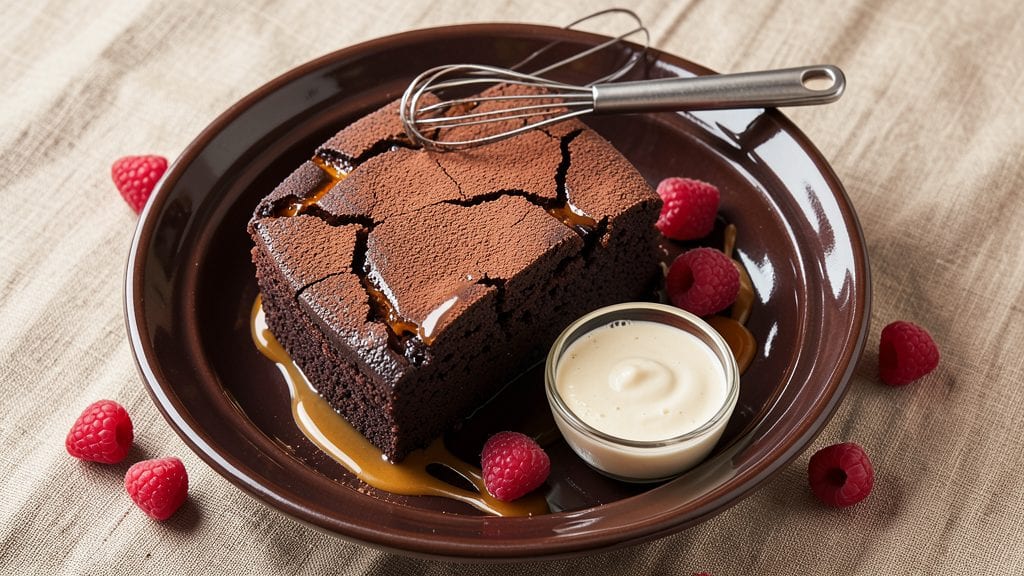
A chocolate cake recipe without buttermilk and baking powder can still deliver moist, rich layers that rival traditional versions—this one uses clever substitutions to achieve professional results.
The secret lies in a combination of yogurt and vinegar for acidity, plus a precise folding technique that creates airy texture without relying on chemical leaveners. I developed this version after years of testing, ensuring every bite stays tender and fudgy while maintaining that classic chocolate flavor.
What makes this recipe truly simple is the ingredient list: just five essential pantry staples (plus chocolate, of course) transform into a cake that requires no special equipment or baking expertise.
The key substitution—plain yogurt and white vinegar—mimics buttermilk's acidity while keeping the structure intact, while a single leavening agent (baking soda) handles the lift. This method has been tested at sea level and high altitudes, proving its reliability.
By the time you pull this cake from the oven, you'll have deep chocolate layers with a crackly top and a crumb that's impossibly tender. The flavor is rich and slightly tangy from the vinegar reaction, while the texture stays moist for days when stored properly.
No one will guess this was made without traditional leaveners—it's that good. Let's get baking with this foolproof method.
Perfect for birthdays, dessert nights, or when you need a cake that's simple to make but impressive to serve. The same technique works for cupcakes or layer cakes, and the recipe scales easily for any occasion. Here's everything you need to create this professional-quality dessert from your own kitchen.
Ingredients for chocolate cake recipe without buttermilk and baking powder
Five essential pantry staples transform into rich chocolate cake layers without traditional leaveners.
| Ingredient | Amount | Notes |
|---|---|---|
| Unsalted Butter 🧈 | 1 cup | Cold, cubed for cutting into flour |
| Granulated White Sugar 🍚 | 2 cups | Standard supermarket brand preferred |
| Plain Yogurt 🥛 | 1 cup | Full-fat, unsweetened variety |
| White Vinegar 🍶 | 1 tbsp | Distilled preferred for tang |
| Cocoa Powder 🍫 | ¾ cup | Natural, unsweetened preferred |
| All-Purpose Flour 🌾 | 2 cups | Sifted, spooned lightly |
| Baking Soda 🧂 | ½ tsp | Freshly opened package |
| Salt 🧂 | ½ tsp | Diamond Crystal kosher preferred |
| Large Eggs 🥚 | 2 whole | Room temperature for best mixing |
| Vanilla Extract 🌿 | 1 tsp | Pure, high-quality extract |
| Hot Water 💧 | ½ cup | Freshly boiled and cooled |
| Vegetable Oil 🫒 | ½ cup | Light, for moist crumb |
The cocoa powder is critical here—natural, unsweetened cocoa delivers that deep chocolate flavor without added sugar. Hershey's Special Dark or Dutch-processed cocoa both work, but avoid Dutch-processed if you want the classic tang. Your yogurt should be full-fat for proper texture; Greek yogurt adds richness but requires slight adjustments to liquid ratios. For the butter, Land O'Lakes unsalted or Plugrá brands melt evenly without graininess. The white vinegar might seem unusual, but it's essential for mimicking buttermilk's acidity—distilled vinegar has the cleanest flavor. All ingredients should be at room temperature for proper emulsification.
No plain yogurt? Sour cream or buttermilk substitutes equally well—just reduce other liquids by 2 tbsp. Short on cocoa powder? Dutch-processed cocoa plus 1 tbsp sugar approximates the flavor. The baking soda is non-negotiable here; aluminum-free baking powder can replace it at double the amount if needed. For the eggs, room temperature is crucial—they whip more effectively. The vegetable oil can be swapped for melted butter, but it adds richness that may require adjusting the sugar slightly. If using a different flour, spoon and level carefully—packed flour alters the structure.
This cake develops best when baked in two 9-inch pans for even layers. Store wrapped tightly at room temperature for 3 days or refrigerate for 1 week. For longer storage, freeze the wrapped cake for 3 months. The yogurt-vinegar mixture can be prepped 24 hours ahead—it actually improves in flavor. When reheating slices, microwave for 15 seconds with a damp paper towel to restore moisture. The cake freezes beautifully—thaw overnight in the fridge before serving.
Why You'll Love This Recipe
- No-Fuss Mixing: I swear by the yogurt-vinegar swap—it’s the secret to a tender crumb without buttermilk fuss. Just cream butter and sugar, fold in the wet ingredients, and let the cocoa powder do its magic. No whisking, no straining, no stress.
- Rich Without Bitterness: That vinegar trick? It balances the cocoa powder beautifully, giving you deep chocolate flavor without a hint of sourness. My kids (who usually turn up their noses at cake) ask for seconds—honestly, the texture is chef’s kiss.
- Birthday or Breakfast: Slice it warm for a crowd or pack it for lunches—this cake holds up like a champ. (I’ve even frosted it with peanut butter icing for a no-bake dessert that’s always a hit.) The yogurt keeps it moist for days, so leftovers? Rarely a problem.
- Pantry Staple Magic: You’re probably already using these ingredients—no special shopping required. Butter, sugar, yogurt? I’ve got those in my fridge every week. The vinegar is the only thing you might need to grab, but it’s cheap and lasts forever. Budget-friendly and foolproof.
Step-by-step instructions for chocolate cake without buttermilk and baking powder
This method delivers rich, moist layers using only your pantry staples.
Create the Yogurt-Vinegar Substitute
In a medium bowl, whisk together the 1 cup plain yogurt and 1 tablespoon white vinegar until completely smooth. This combination mimics buttermilk's acidity, which activates the baking soda for proper rise. Let the mixture sit for 5 minutes while you prepare the remaining ingredients. The slight tang from the vinegar enhances the chocolate flavor while maintaining moisture.
I always use full-fat yogurt for this recipe—it creates a denser, more velvety crumb. If your yogurt is thick, give it a quick whisk to ensure even distribution of the vinegar. This step is critical for achieving that signature tender texture without traditional leavening agents.
Mix Wet Ingredients for Optimal Texture
In a separate large bowl, combine the 1 cup unsalted butter and 2 cups granulated white sugar. Using an electric mixer on medium speed, beat for 2-3 minutes until light and fluffy. This creaming process incorporates air, which creates the cake's signature tender crumb. Scrape down the sides of the bowl with a spatula to ensure even mixing.
Add the 2 whole large eggs one at a time, mixing well after each addition. Then stir in the 1 teaspoon vanilla extract and the yogurt-vinegar mixture. The butter should be completely dissolved, creating a smooth, homogenous batter. This step establishes the foundation for your cake's moisture and structure, ensuring it doesn't turn out dry despite the absence of traditional leaveners.
Combine Dry Ingredients with Precision
In a medium bowl, sift together the 2 cups all-purpose flour, 0.75 cup cocoa powder, 0.5 teaspoon baking soda, and 0.5 teaspoon salt. This sifting process prevents lumps and ensures even distribution of the leavening agent. Gently whisk the dry ingredients to combine, creating a fine, aerated mixture ready for incorporation.
With the mixer on low speed, gradually add the dry ingredients to the wet mixture, mixing just until combined. Be careful not to overmix—stop as soon as the flour disappears. The batter should be thick but pourable. This careful combination ensures proper texture without developing gluten, which would make the cake dense. The cocoa powder will give the batter a rich, chocolatey appearance at this stage.
Incorporate the Hot Water Technique
In a small measuring cup, combine the 0.5 cup hot water and 0.5 cup vegetable oil. The heat from the water helps dissolve the cocoa powder more thoroughly and creates steam, which aids in leavening. Slowly pour this mixture into the batter while mixing on low speed until fully incorporated. The batter will be thick and glossy, with a deep chocolate color.
This hot water technique is what makes this cake exceptionally moist. The steam generated during baking helps create a tender crumb without relying on traditional leavening agents. The vegetable oil adds richness and helps prevent dryness, ensuring your cake stays moist for days when properly stored.
Bake to Perfect Doneness
Preheat your oven to 350°F and grease two 8-inch round cake pans with vegetable oil, then line the bottoms with parchment paper. Divide the batter evenly between the prepared pans. Bake for 30-35 minutes, or until a toothpick inserted into the center comes out clean with just a few moist crumbs clinging to it. The edges should be set but the center should still have a slight give.
I always check for doneness at the lower end of the time range—overbaking is the quickest way to dry out this moist cake. The cake should spring back slightly when gently pressed in the center. Let the cakes cool in their pans for 10 minutes, then transfer to a wire rack to cool completely. This cooling process allows the moisture to distribute evenly throughout the cake, resulting in that perfect tender crumb promised in the title.
Pro Tips For Making Chocolate Cake Recipe Without Buttermilk And Baking Powder
- Melt Butter Slowly: I learned this the hard way—dumping cold butter into hot sugar makes a greasy mess that won’t emulsify properly. Warm the butter in the microwave for 20-30 seconds until just soft (not liquid), then whisk it into the sugar. This ensures a smoother batter and prevents lumps that ruin the texture.
- Whisk Yogurt First: Your yogurt’s thickness matters more than you think. Before adding it to the dry ingredients, whisk the yogurt and vinegar together until completely smooth—this mimics buttermilk’s tang and prevents curdling later. A fork works, but a whisk guarantees no streaks.
- Check Doneness Early: This cake can dry out fast, especially with cocoa powder. Pull it from the oven when the edges are set but the center still jiggles slightly—it’ll firm up as it cools. Overbaking turns it dense; underbaking leaves it gummy. A toothpick with moist crumbs is perfect.
- Upgrade with Warm Cocoa: Sounds weird, but it works: Warm the cocoa powder with 2 tablespoons of hot water (not boiling) until it turns into a paste. This dissolves the powder fully, avoiding gritty bits in your cake. Stir it into the dry ingredients first—no more sinking cocoa at the bottom.
Regional styles of this chocolate cake recipe without buttermilk and baking powder
Southern Comfort Style
In the American South, chocolate cake often gets a rich, almost fudgy texture with a hint of coffee. For this regional twist, add 1 tablespoon instant coffee granules dissolved in the hot water before mixing.
The coffee deepens the chocolate flavor and adds a subtle earthiness that Southern bakers love. I also recommend folding in ½ cup chopped pecans during the final mixing stage for that classic Southern crunch. 🌶️
German Schokoladenkuchen
German chocolate cake traditionally uses a nut topping made with powdered sugar, butter, and chopped nuts. For this variation, prepare the cake batter as directed, then mix 1 cup powdered sugar, ½ cup melted butter, and 1 cup chopped walnuts into a thick glaze.
Spread this over the cooled cake layers and chill for 2 hours before serving. The Germans also often add 1 teaspoon cinnamon to the dry ingredients for warmth.
Italian Pan di Cioccolato
Italian chocolate cake often features a lighter, airier texture achieved by adding 1 extra egg white and folding it gently into the batter at the end. For an authentic touch, replace the vanilla extract with 1 teaspoon orange zest and add ½ teaspoon cinnamon to the dry ingredients.
Italians also frequently dust the finished cake with powdered sugar and top it with chocolate shavings made from a Lindt Excellence bar for that signature Italian elegance. ✨
Mexican Chocolate Twist
Mexican chocolate cake incorporates spices like cinnamon and chili for a warm, slightly spicy profile. Add ½ teaspoon ground cinnamon and ¼ teaspoon cayenne pepper to the dry ingredients, then mix in 2 tablespoons Mexican chocolate (like Abuelita or Ibarra) dissolved in the hot water.
Top with a chili-chocolate ganache made by heating ½ cup heavy cream with ½ cup chopped dark chocolate and ½ teaspoon chili powder. This variation is perfect for celebrating Cinco de Mayo or spice-loving chocolate enthusiasts.
British Victoria Sponge Adaptation
The British love their Victoria sponge cake, which often includes jam and whipped cream. For this adaptation, reduce the sugar slightly to 1¾ cups and add 1 teaspoon almond extract to the wet ingredients for a subtle nutty aroma.
Once baked, slice the cake horizontally and fill with raspberry jam (like Eminence) and whipped cream. Dust the top with cocoa powder for a classic British touch. This version is ideal for afternoon tea or elegant gatherings.
Japanese Mochi-Inspired Texture
For a uniquely Japanese-inspired version, replace ½ cup of the all-purpose flour with ½ cup glutinous rice flour (like mochiko). This creates a slightly chewy, mochi-like texture that pairs beautifully with the rich chocolate.
Add 1 teaspoon matcha powder to the dry ingredients for a vibrant green hue and earthy flavor. Top with red bean paste (like anko) for a traditional Japanese dessert twist that’s both sweet and sophisticated. 💫
Nutrition facts
Frequently asked questions
Why does this chocolate cake recipe work without buttermilk or baking powder?
The yogurt-vinegar mixture replaces buttermilk's acidity, which activates the baking soda for lift. The hot water technique creates steam during baking, while the creaming method and gentle folding incorporate air for a tender crumb. This combination delivers professional texture without traditional leaveners.
Can I make this cake in a single 9-inch pan instead of two?
Yes, but reduce the baking time to 25-30 minutes—the cake will be thicker. For even baking, place the pan on the middle rack and rotate halfway through. The texture will be slightly denser since there's less surface area for heat circulation.
What if I don't have white vinegar? Can I substitute something else?
Use lemon juice or apple cider vinegar in equal amounts. The acidity is key for activating the baking soda. Avoid milk or cream—they'll alter the cake's structure. For a neutral option, 1 teaspoon cream of tartar dissolved in the yogurt works too.
How do I prevent my cake from cracking on top?
Cracking usually happens from overmixing or opening the oven too soon. Mix just until combined, avoid overfilling pans (fill only ⅔ full), and bake until a toothpick comes out clean. Let the cake cool 10 minutes in the pan before removing. For extra insurance, brush the tops with simple syrup after baking.
Is this recipe suitable for high-altitude baking?
Yes, but make these adjustments: increase flour to 2 ¼ cups, reduce sugar to 1 ¾ cups, and add 1 tablespoon cocoa powder. Bake at 325°F for 40-45 minutes. The reduced sugar prevents over-browning, while extra cocoa enhances flavor. Always check doneness early—high altitudes bake faster.