
Desserts
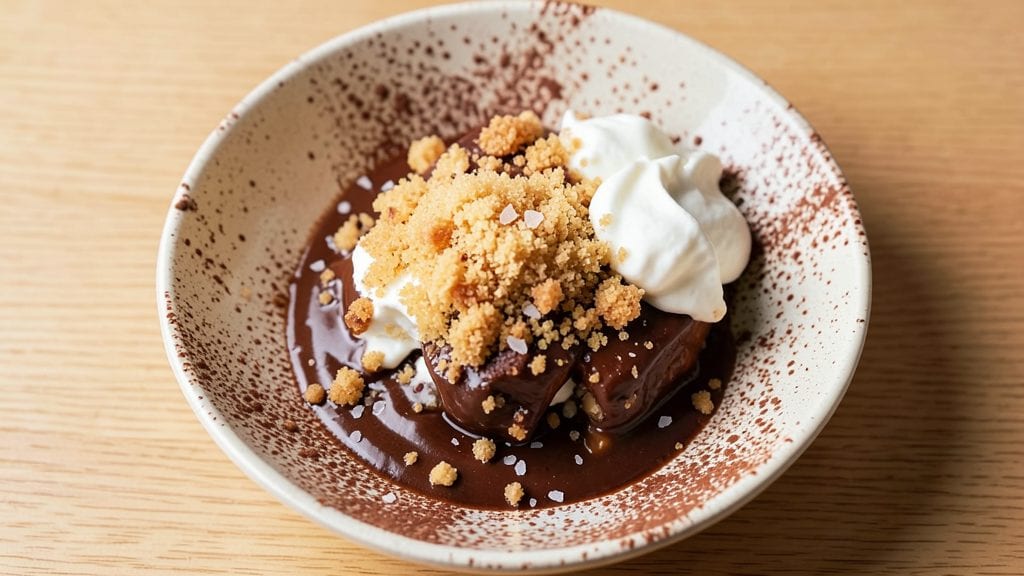
This chocolate caje recipe brings the comforting warmth of Filipino home baking to your kitchen with its signature toasted rice flour base and rich cocoa layers.
The dish delivers a perfect balance of crispy, nutty crunch from the toasted rice flour and velvety chocolate cake, all wrapped in a spiced aroma that feels like a hug.
I first discovered this recipe during a visit to Manila, where it was served warm with a dusting of powdered sugar—now it’s my go-to dessert for special occasions and cozy nights in.
The secret to authentic chocolate caje lies in the toasted rice flour, which gives the cake its signature crunch and nutty depth.
You’ll layer this with a moist chocolate cake batter infused with warm spices like cinnamon and vanilla, then finish with a generous drizzle of melted chocolate or latik (Filipino coconut caramel) for that signature texture contrast.
The result is a dessert that’s both rustic and elegant, with a warm, spiced cocoa flavor that’s impossible to resist.
What makes this recipe truly special is its versatility—you can customize it with different toppings like crushed nuts, coconut flakes, or even dairy-free chocolate for vegan adaptations. The cake stays warm and tender when served, making it perfect for gatherings or as a comforting treat after dinner.
Whether you’re recreating a childhood memory or introducing a new favorite to your dessert repertoire, this chocolate caje is sure to impress.
The process is straightforward but requires patience, especially when toasting the rice flour to achieve that perfect crunch. Once you master the technique, you’ll have a dessert that’s as rewarding to make as it is to eat.
Ready to bring a taste of the Philippines to your kitchen? Let’s get started.
Ingredients for chocolate caje
Toasted rice flour and spiced cocoa create this Filipino dessert's signature crunch and warmth—no shortcuts here!
| Ingredient | Amount | Notes |
|---|---|---|
| Unbleached All-Purpose Flour 🌾 | 1 ½ cups | For structural balance |
| Toasted Rice Flour 🍚 | 1 ½ cups | Key for nutty crunch (store-bought or homemade) |
| Unsweetened Cocoa Powder 🍫 | ¾ cup | Natural, Dutch-process preferred |
| Granulated Sugar 🍬 | 1 ½ cups | White or brown for depth |
| Light Brown Sugar 🍬 | ½ cup | Packed, for moisture |
| Baking Powder 🧂 | 1 tsp | Aluminum-free preferred |
| Ground Cinnamon 🌿 | 1 ½ tsp | Freshly ground for warmth |
| Ground Nutmeg 🌿 | ½ tsp | Freshly grated nutmeg |
| Salt 🧂 | ½ tsp | Fine sea salt preferred |
| Pure Vanilla Extract 🍯 | 1 tbsp | High-quality, Madagascar preferred |
| Large Eggs 🥚 | 2 whole | Room temperature for blending |
| Unsalted Butter 🧈 | 1 cup | Cold, cubed for cutting |
| Whole Milk 🥛 | 1 cup | Room temperature for mixing |
| Dark Chocolate Chips 🍫 | 1 ½ cups | 70% cocoa or higher |
| Powdered Sugar 🍬 | ½ cup | For dusting and layering |
| Crushed Toasted Coconut 🥥 | ¼ cup | For topping (optional) |
The toasted rice flour is non-negotiable—it’s what gives chocolate caje its signature nutty crunch. Look for it in Asian markets or online (like Filipino grocery stores or Amazon), or toast regular rice flour yourself in a dry pan until golden. Penzeys Spices has a great pre-toasted version if you're short on time. The cocoa powder should be natural or Dutch-processed—Valrhona or Callebaut are worth the splurge for that velvety texture. For the coconut topping, unsweetened flakes toasted in butter add an extra layer of flavor, but crushed nuts like macadamia or pecans work too.
No toasted rice flour? Substitute 1 cup of crushed graham crackers or cornflakes—they won’t be quite the same, but they’ll add crunch. Swapping brown sugar for white? Add 1/4 tsp extra cinnamon to compensate for the lost moisture. Running low on vanilla? Vanilla bean paste or even a scraped vanilla bean will give you that authentic depth. The butter should be cold when cutting into the flour—microwave for 20 seconds if needed—but not melted. And if you’re avoiding dairy, coconut oil works in a pinch, though the texture will be slightly different.
This cake keeps best at room temperature in an airtight container for 3-4 days, but trust me—it’ll disappear faster than that. For longer storage, wrap tightly in plastic wrap and freeze for up to 1 month. The layers stay crispy when served at room temp, so take it out 30 minutes before slicing. Pro tip: Dust with extra powdered sugar right before serving—it’s the Filipino touch that makes it feel special. Leftovers? Toast slices in the oven to revive the crunch.
Why You'll Love This Recipe
- I’ll be real: this recipe keeps me sane during grocery runs. Cocoa powder and brown sugar stretch far, and the toasted rice flour (which you can make yourself in a dry pan) adds that gourmet touch without the price tag. Plus, leftovers? They last days—if they even make it that long.
- No Mixer Needed: I swear by this recipe when my stand mixer’s on strike—just whisk the toasted rice flour and all-purpose flour together until it’s smoother than my excuses for skipping the gym. The cocoa powder and brown sugar blend in like a dream, and you’re left with a dough that’s just the right texture without overworking it.
- Rich Without Overpowering: Here’s what sold me—the toasted rice flour adds this subtle nuttiness that cuts through the deep chocolate from the cocoa powder. It’s not bitter or cloying; it’s the kind of balance that makes you reach for a second piece before you even finish the first.
- Weeknight or Weekend: Between us, this recipe works for both. Need a quick snack? Roll it out thin, cut into squares, and bake while you fold laundry. Hosting a crowd? Double the batch, shape it into a loaf, and slice it for a showstopper dessert. The toasted rice flour even gives it a nice crumb that holds up to reheating.
Step-by-step instructions for warm spiced cocoa cake
Here's how to create this decadent chocolate caje with layers of rich cocoa flavor and nutty crunch.
Cream Butter and Sugars Together
In a large mixing bowl, combine the 1 cup unsalted butter (cold, cubed) with the 1.5 cups granulated sugar and 0.5 cup light brown sugar. Using an electric mixer on medium speed, beat everything for 3-4 minutes until light and fluffy. You'll see the mixture nearly double in volume and become pale.
This creaming process incorporates air, which creates that perfect tender crumb in your cake. I like to scrape down the sides every minute or so to ensure everything gets fully incorporated. The butter should look completely smooth with no visible lumps.
Add Eggs and Flavorings
Add the 2 whole large eggs one at a time, mixing well after each addition. Then stir in the 1 tbsp pure vanilla extract, 1.5 tsp ground cinnamon, 0.5 tsp ground nutmeg, and 0.5 tsp salt. Mix until just combined - you don't want to overmix here.
The spices will infuse beautifully with the butter mixture, creating that warm, comforting aroma that's so characteristic of this cake. I always use freshly ground spices for maximum flavor impact. The mixture should be smooth but still slightly thick at this stage.
Combine Dry Ingredients
In a separate bowl, whisk together the 1.5 cups unbleached all-purpose flour, 1.5 cups toasted rice flour, 0.75 cup unsweetened cocoa powder, and 1 tsp baking powder. Gradually add this dry mixture to your wet ingredients while mixing on low speed.
Mix just until combined - you should still see some flour streaks. This prevents overdevelopment of gluten which could make your cake tough. The batter will be thick and fudgy at this stage, almost like brownie batter.
Fold in Wet and Dry Additions
Add the 1 cup whole milk and mix until smooth. Then gently fold in the 1.5 cups dark chocolate chips and 0.25 cup crushed toasted coconut using a spatula. Be careful not to overmix - just combine until everything is evenly distributed throughout the batter.
The chocolate chips will give you pockets of melty goodness in every bite, while the toasted coconut adds that perfect crunchy texture contrast. The batter should be thick but still able to be spooned easily into your prepared pan.
Bake to Golden Perfection
Preheat your oven to 350°F and grease a 9-inch round cake pan or line it with parchment paper. Pour the batter into the prepared pan and smooth the top. Bake for 35-40 minutes or until a toothpick inserted in the center comes out clean.
The cake should have a slightly domed top with a beautiful golden brown color. For extra moisture, I like to tent the cake with foil after 25 minutes of baking to prevent the top from browning too quickly. Let it cool in the pan for 10 minutes before transferring to a wire rack.
Dust and Serve Warm
While still warm, dust the top generously with the 0.5 cup powdered sugar using a fine-mesh sieve. This creates that beautiful, snowy finish that makes this cake look so impressive. Serve immediately while still warm for the best texture and flavor experience.
The cake should be moist and tender with a slightly crisp exterior. The warm spices will be more pronounced when served fresh from the oven, and the contrast of the toasted coconut crunch against the soft cake is absolutely divine. Enjoy with a cup of hot chocolate for the full experience!
Pro Tips For Making Chocolate Caje
- Toast That Rice Flour: DESCRIPTION:
- Whisk the Cocoa: DESCRIPTION:
- Skip the Overmixing: DESCRIPTION:
- Bake in Rounds: DESCRIPTION:
Pro cooking tips for chocolate caje
Toasted Rice Flour Mastery
The key to authentic chocolate caje lies in perfectly toasting your rice flour—this creates that signature nutty crunch. I recommend using a light-colored rice flour (like jasmine or glutinous rice flour) for best results.
Toast 1.5 cups in a dry 10-inch skillet over medium heat for 5-7 minutes, stirring constantly with a wooden spoon until golden brown and fragrant. The moment it smells like toasted nuts, remove from heat immediately—it burns fast! Let it cool completely before mixing into your batter. 🌾
Spice Infusion Secrets
Freshly ground spices make all the difference in this recipe. For maximum warmth, I grind my own cinnamon and nutmeg using a spice grinder (like the OXO Good Grips). The difference between pre-ground and freshly ground is night-and-day.
When combining your spices with the butter mixture, let them sit for 5 minutes before mixing—this allows the aromatic oils to fully infuse. I also like to add a pinch of cardamom (about ¼ tsp) for an extra layer of complexity that pairs beautifully with the chocolate. 🌿
Batter Consistency Tips
The ideal chocolate caje batter should be thick but spoonable—like brownie batter. If your batter feels too loose after adding the milk, stir in 1-2 tablespoons of toasted rice flour until it reaches the right consistency.
I use a rubber spatula to gently fold in the chocolate chips and coconut, being careful not to overmix. The batter should hold its shape when dropped from a spoon but still flow smoothly.
For extra richness, I sometimes replace ¼ cup of milk with espresso powder (dissolved in the milk) to enhance the chocolate flavor. ☕
Baking Like a Pro
Don't skip the 10-minute rest after mixing! This allows the flour to fully hydrate and prevents a dense cake. When baking, place a pan of water on the lower oven rack to create steam—this helps the cake rise evenly and stay moist.
I like to rotate my cake pan halfway through baking (after 20 minutes) for even browning. The cake is done when a toothpick comes out with moist crumbs (not wet batter). For extra insurance, check the internal temperature—it should reach 205-210°F. 🌡️
Crunch Revival Tricks
If your cake loses its crunch when cooled, don't worry—there's a fix! After baking, place the cake on a wire rack and immediately dust the top with powdered sugar while still warm. For extra crunch, sprinkle toasted coconut or chopped nuts on top before the sugar melts.
To revive stale slices, wrap them tightly in aluminum foil and warm in a 350°F oven for 5-7 minutes—this restores the crisp texture perfectly. 💫
Layering Like a Pastry Chef
For restaurant-quality presentation, layer your chocolate caje with melted dark chocolate between servings. Melt ½ cup dark chocolate chips with 1 tablespoon coconut oil over a double boiler, then spread a thin layer between cake slices.
Dust each layer generously with powdered sugar and finish with crushed toasted nuts for texture. Serve warm with a side of Filipino hot chocolate (made with tablea or chocolate tablets) for the full experience. 🍫
Nutrition facts
Frequently asked questions
What makes toasted rice flour essential in this chocolate dessert?
The toasted rice flour gives chocolate caje its signature nutty crunch and earthy depth. Unlike regular flour, it toasts to a golden brown color, creating that satisfying texture contrast against the soft chocolate cake. If you can't find it, crushed graham crackers or cornflakes work in a pinch, though they won't be identical.
Can I make this recipe without eggs for a vegan version?
Yes! Replace the 2 eggs with 2 tbsp ground flaxseed mixed with 6 tbsp water (let it sit for 5 minutes to thicken) or ½ cup unsweetened applesauce. For binding, add 1 extra tbsp toasted rice flour to compensate. The texture will be slightly denser but still delicious with dairy-free chocolate.
How do I know when the cake is fully baked?
The cake is done when a toothpick inserted in the center comes out with moist crumbs (not wet batter) and the internal temperature reaches 205-210°F. The edges should pull away slightly from the pan, and the top should be golden brown. Overbaking can make it dry, so err on the side of slightly underdone if needed.
What's the best way to store leftovers?
Keep the cake in an airtight container at room temperature for 3-4 days, or freeze for up to 1 month. To revive stale slices, wrap them in foil and warm at 350°F for 5-7 minutes. The crunch returns best when reheated gently. For extra freshness, dust with powdered sugar before storing.
Can I substitute the toasted coconut topping?
Try crushed macadamia nuts, pecans, or even toasted almonds for a different flavor profile. For a Filipino twist, use latik (coconut caramel) drizzled over the warm cake. The key is adding texture contrast—just ensure it complements the chocolate's richness.