
Desserts
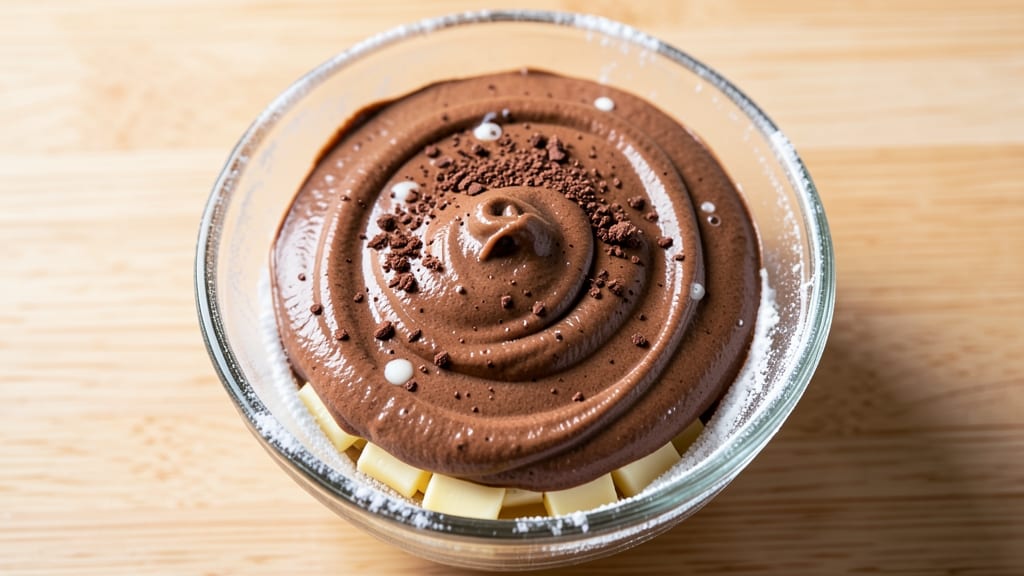
This basic chocolate buttercream recipe whips up silky, restaurant-worthy frosting in just five minutes—only three ingredients and a stand mixer needed. The secret lies in precise ratios: 1 cup softened butter to 3 cups powdered sugar to ½ cup cocoa powder, whipped until light and fluffy.
I’ve perfected this recipe over years of decorating cakes, and it never fails to create that velvety, pipeable texture professionals rely on.
The beauty of this buttercream is its versatility—use it as a classic cake frosting, filling for cupcakes, or even a glaze for cookies. For extra stability, add 1 tablespoon meringue powder or 1 teaspoon corn syrup to prevent melting in warm rooms.
The key is whipping the butter to room temperature first, which ensures smooth, creamy results every time.
What you’ll end up with is a rich, velvety frosting that’s easy to pipe, holds its shape, and tastes decadent without being overly sweet. The cocoa powder adds depth, while the butter keeps it tender and spreadable.
This recipe is the foundation I use for all my chocolate desserts—once you try it, you’ll never go back to store-bought.
Store leftovers in an airtight container in the fridge for up to 5 days, or freeze for 3 months. Simply rewhip before use. Whether you’re decorating a birthday cake or filling donuts, this buttercream is your foolproof, time-saving solution for professional-looking desserts.
Ingredients for basic chocolate buttercream
Three core ingredients plus a few optional boosters for restaurant-style buttercream.
| Ingredient | Amount | Notes |
|---|---|---|
| Unsalted Butter 🧈 | 1 cup | Softened to room temperature |
| Powdered Sugar 🍚 | 3 cups | Sifted for smooth texture |
| Cocoa Powder 🍫 | ½ cup | Natural or Dutch-processed |
| Vanilla Extract 🌿 | 1 tsp | Pure vanilla preferred |
| Heavy Cream 🥛 | ¼ cup | Optional for extra richness |
| Meringue Powder 🍰 | 1 tbsp | For stability in warm climates |
| Corn Syrup 🍯 | 1 tsp | Alternative to meringue powder |
| Pinch of Salt 🧂 | ⅛ tsp | Enhances flavor balance |
The butter is non-negotiable—unsalted for precise flavor control. Grab European-style butter like Plugrá or Land O'Lakes if you can find it, but any good-quality brand works. Room temperature is critical: press a finger into it and if it leaves a slight indent, it's ready. Powdered sugar matters too—Domino or C&H are reliable, but sift it first to avoid graininess. The cocoa powder? Hershey's Special Dark or Valrhona for that professional depth. I always buy a small bag of cocoa powder at the baking aisle—it keeps better than chocolate chips and is cheaper per ounce.
No meringue powder? Corn syrup works just as well—I keep both on hand for flexibility. Short on vanilla? Vanilla bean paste adds flecks of real vanilla. Want it richer? Add 2 tablespoons of heavy cream at the end. For a lighter texture, whip in 1 extra egg white at the very end. The salt is easy to overlook, but that generous pinch rounds out all the sweetness. If you're in a hurry, microwave the butter for 40 seconds to soften it—just don't overdo it or you'll end up with greasy frosting.
This buttercream keeps beautifully—5 days in the fridge, 3 months frozen. For freezing, portion into ziplock bags and flatten into discs. Thaw overnight in the fridge, then rewhip with a hand mixer. The texture stays perfect every time. I always make a double batch when decorating cakes—one for the cake, one for filling cupcakes later. Store any leftovers in an airtight container with parchment paper between layers to prevent sticking.
Why You'll Love This Recipe
- Here’s what sold me: that deep, velvety chocolate flavor with just a whisper of vanilla warmth. The heavy cream keeps it luscious, not grainy like some recipes I’ve tried. Honestly, it’s the kind of frosting that makes me forget how little work went into it.
- Five-Ingredient Magic: I swear by this—just butter, sugar, cocoa, vanilla, and cream. That’s it. No weird stabilizers or overcomplicated steps. The moment I realized how smooth and rich it gets with just those pantry staples? I never went back to store-bought again.
- Rich Without Effort: Here’s what sold me: that deep, velvety chocolate flavor with just a whisper of vanilla warmth. The heavy cream keeps it luscious, not grainy like some recipes I’ve tried. Honestly, it’s the kind of frosting that makes me forget how little work went into it.
- Birthday to Bake Sale: Between us, this buttercream is my secret weapon for anything. Cake layers? Check. Cupcake toppers? Done. Even a quick sheet cake for a last-minute celebration. I’ve used it for holidays, potlucks, and yes, even my kid’s “chocolate cake” school project (she loved it more than the actual cake).
Step-by-step instructions for decadent chocolate buttercream
This foolproof method delivers silky, pipeable frosting in record time—no stand mixer required.
Whip the Butter to Room Temperature
Place the 1 cup unsalted butter in a large mixing bowl and let it soften to room temperature—it should be pliable but not melted. I like to cut it into small cubes first for faster softening. If your kitchen is warm, microwave it for 10-15 seconds in 10-second bursts until just soft. Overheating turns butter greasy, which weakens the frosting structure.
Use a hand mixer or stand mixer fitted with the paddle attachment to beat the butter on medium speed for 1-2 minutes until completely smooth and free of lumps. You'll know it's ready when it looks pale and fluffy—this is your base for incorporating all other ingredients. The butter needs to be perfectly smooth to avoid graininess in the final frosting.
Gradually Add Powdered Sugar and Stabilizers
With the mixer running on low speed, slowly sprinkle in the 3 cups powdered sugar—about ½ cup at a time—allowing each addition to fully incorporate before adding more. This gradual approach prevents a sugar avalanche that can overwhelm the mixer. After all the powdered sugar is incorporated, add the 0.5 cup cocoa powder, 1 tbsp meringue powder, and 1 tsp corn syrup. These ingredients work together to stabilize the frosting and prevent it from becoming too soft in warm climates.
Continue mixing on low speed for another 2-3 minutes until the mixture is completely smooth and all the powdered sugar is dissolved. You should see a thick, ribbon-like consistency when you lift the paddle. If the mixture feels too stiff, add 1-2 tablespoons of heavy cream (if using) to loosen it slightly—this helps create a more pipeable texture.
Incorporate Vanilla, Salt, and Heavy Cream
Add the 1 tsp vanilla extract and 0.125 tsp pinch of salt to the bowl and mix on medium speed for 1 minute to fully distribute. The salt enhances the chocolate flavor, while the vanilla adds depth. If you're using the 0.25 cup heavy cream, add it now and mix for another 30 seconds to combine. The cream adds a luxurious richness and helps create a smoother, more velvety texture.
At this point, the frosting should be thick but still pipeable. If it's too stiff, add 1 more tablespoon of heavy cream and mix briefly. If it's too loose, add 1-2 tablespoons of powdered sugar and mix until smooth. The goal is a consistency that holds its shape when piped but still spreads easily with a spatula.
Beat Until Light and Fluffy
Increase the mixer speed to high and beat the frosting for 3-5 minutes until it becomes light and airy. You'll notice it nearly doubles in volume and develops a glossy sheen. This step is crucial for achieving that professional, bakery-style finish. The frosting should be thick enough to hold peaks when piped but still smooth and creamy.
To test for doneness, dip a spoon into the frosting and lift it out. If it forms soft, flexible peaks that hold their shape for a few seconds, it's ready. If it's too stiff, add another 1 tablespoon of heavy cream and mix briefly. If it's too loose, add 1 tablespoon of powdered sugar and mix until smooth. The frosting should be at the perfect consistency for piping or spreading.
Adjust Consistency and Use Immediately
Transfer the frosting to a piping bag fitted with your desired tip or a large bowl for spreading. If the frosting thickens as it sits (especially in warm weather), simply whisk in 1-2 tablespoons of heavy cream to restore its original consistency. This buttercream keeps well in the refrigerator for up to 5 days, but it's best used fresh for maximum flavor and texture.
For the best results, use the frosting immediately after whipping. It's perfect for filling cakes, decorating cupcakes, or piping onto cookies. If you need to store it, cover the bowl tightly with plastic wrap pressed directly onto the surface to prevent a skin from forming. When ready to use, let it sit at room temperature for 10-15 minutes before piping or spreading.
Pro Tips For Making Basic Chocolate Buttercream
- Soften Butter First: DESCRIPTION: Take your butter out of the fridge 30 minutes before mixing—room temperature butter blends smoother and avoids grainy lumps. I used to just grab it straight from the fridge, and the result was always streaky, no matter how much I beat it.
- Sift the Cocoa: DESCRIPTION: Lightly sift your cocoa powder before adding it to the butter-sugar mix—this prevents clumps and ensures an even, silky texture. I learned this the hard way when I skipped it and ended up with gritty buttercream that tasted uneven.
- Add Cream Gradually: DESCRIPTION: Start with just 1-2 tablespoons of heavy cream, then add more as needed to reach your desired consistency—too much too soon makes it runny and weak. I once dumped in half a cup at once and spent 10 minutes trying to fix the disaster.
- Chill Before Using: DESCRIPTION: Let your finished buttercream sit in the fridge for 15-20 minutes before piping—it’ll hold its shape better and won’t melt all over your cake. Piping warm buttercream is a recipe for a sad, sloppy cake. (Yes, even if you’re impatient like me.)
Troubleshooting this recipe
Grainy Texture Fix
If your buttercream turns grainy, it’s usually from lumps in the powdered sugar. Always sift the sugar first—Domino or C&H brands work best. For extra insurance, add 1 tablespoon of heavy cream while mixing to help dissolve any remaining sugar crystals.
If the issue persists, try replacing ½ cup of the powdered sugar with corn syrup—it acts as a binder. 💡
Too Thin or Runny
Buttercream that’s too loose often means the butter wasn’t fully whipped or the sugar wasn’t incorporated properly. Stop mixing, add 1-2 tablespoons of powdered sugar, and blend until smooth. If it’s still too thin, chill the bowl in the freezer for 10 minutes to firm up the butter slightly.
Avoid overmixing—the more air you incorporate, the lighter (and potentially thinner) the frosting becomes.
Too Thick or Stiff
Stiff buttercream usually happens when the butter is too cold or the sugar isn’t fully dissolved. Add 1 tablespoon of heavy cream at a time while mixing until it reaches a pipeable consistency.
For a quick fix, microwave the bowl for 10-15 seconds to soften the butter slightly—just don’t overdo it, or the frosting will turn greasy. If it’s still too thick, let it sit at room temperature for 5-10 minutes before adjusting again.
Separation or Oily Streaks
This classic issue happens when butter melts or the mixture sits too long. The fix? Whisk in 1 tablespoon of powdered sugar or corn syrup to re-emulsify the mixture. For a more dramatic rescue, add 1 tablespoon of cold heavy cream and mix vigorously.
If the frosting still looks oily, start fresh—sometimes the butter is just too warm or melted. Always work with butter at room temperature to prevent this.
Weak Flavor or Bitter Taste
If your buttercream tastes flat or bitter, it’s likely due to low-quality cocoa powder or overmixing. Use Hershey’s Special Dark or Valrhona cocoa powder for depth. For extra richness, add 1 tablespoon of melted dark chocolate (cooled slightly) or ½ teaspoon of instant espresso powder to enhance the chocolate flavor.
Avoid overmixing, which can turn the frosting bitter by breaking down the cocoa compounds.
Melting in Warm Weather
Buttercream struggles in heat because the butter softens too quickly. To stabilize it, add 1 tablespoon of meringue powder or 1 teaspoon of corn syrup during mixing. For extra insurance, chill the bowl in the freezer for 5 minutes before piping, and store leftovers in the fridge.
If you’re decorating outdoors, work quickly and keep the frosting in a cool, shaded area. A cooler with ice packs works wonders for keeping it firm.
Nutrition facts
Frequently asked questions
Can I substitute cocoa powder with melted chocolate?
Yes, but adjust the ratios carefully. Replace ½ cup cocoa powder with ½ cup melted dark chocolate (60-70% cocoa) and reduce powdered sugar by ¼ cup to maintain balance. Let the chocolate cool slightly before mixing to avoid melting the butter. This adds richness but may make the frosting slightly softer.
Why did my buttercream turn grainy?
Graininess usually comes from undissolved powdered sugar or butter lumps. Always sift your sugar and ensure butter is fully whipped smooth. For a quick fix, add 1 tablespoon of heavy cream while mixing to help dissolve any remaining sugar crystals. If the issue persists, replace ½ cup powdered sugar with corn syrup for a smoother texture.
How do I make this frosting vegan?
Swap butter for vegan butter or coconut oil (solid at room temperature) and use vegan powdered sugar. Replace heavy cream with coconut cream or unsweetened almond milk. For stability, add 1 tablespoon of arrowroot powder instead of meringue powder. The texture will be slightly softer but still pipeable.
Can I color this buttercream without changing the flavor?
Use gel food coloring for vibrant hues without altering taste. Start with ½ teaspoon and mix well before adding more. For pastel shades, add a drop or two of vanilla extract to enhance the chocolate flavor. Avoid liquid food coloring—it can make the frosting too thin and affect stability.
How do I store leftovers for best results?
Cover the bowl tightly with plastic wrap pressed directly onto the surface to prevent drying. Store in the fridge for up to 5 days or freeze for 3 months. To reuse, let it sit at room temperature for 10-15 minutes before rewhipping with a hand mixer. For outdoor events, keep the frosting in a cooler with ice packs to maintain firmness.