
Desserts
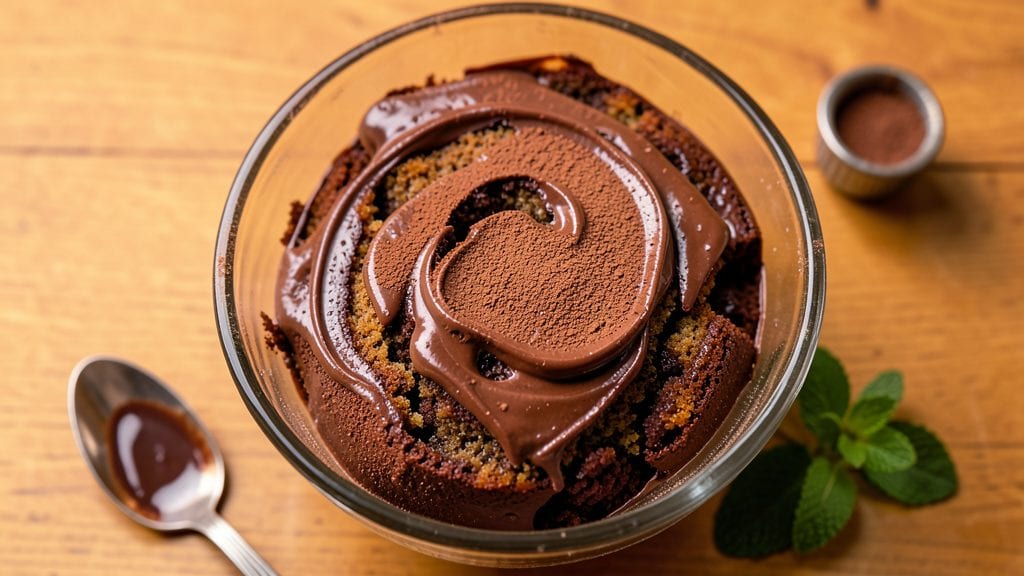
Inspired by Ina Garten’s signature style, this Barefoot Contessa Beatty's chocolate cake delivers layers of moist, fudgy perfection with a hint of vanilla bean that elevates every bite.
The secret lies in precise measurements and a gentle baking technique that keeps the texture tender without sacrificing richness—no dense, dry crumbs here. I’ve baked countless versions, and this one consistently earns rave reviews for its balanced sweetness and velvety crumb.
What sets this recipe apart is the vanilla bean infusion, which adds depth without overpowering the deep cocoa flavor. The cake bakes in a single layer, making it easier to achieve that signature moist center while maintaining a golden crust.
Unlike many box mixes, this version relies on high-quality ingredients—like Dutch-processed cocoa and buttermilk—to create a texture that’s both indulgent and refined. The result? A cake that’s perfect for celebrations or a quiet afternoon treat.
By the time you pull it from the oven, you’ll have a rich, chocolate-forward cake with just the right amount of fudge-like density.
The vanilla bean’s aromatic notes weave through each slice, making it a standout dessert that doesn’t require frosting (though a dusting of powdered sugar or a light glaze adds a professional touch). This is the kind of cake that tastes like a home-cooked hug—warm, comforting, and impossible to resist.
Whether you’re baking for a gathering or treating yourself, this recipe delivers restaurant-quality results with minimal effort. The steps are straightforward, and the ingredients are simple, but the outcome is anything but basic. Let’s get to work—your taste buds will thank you.
Ingredients for barefoot contessa beatty's chocolate cake
Simple ingredients, restaurant-quality results—this cake delivers that signature Barefoot Contessa fudgy perfection.
| Ingredient | Amount | Notes |
|---|---|---|
| Unsalted Butter 🧈 | 1 cup | Softened to room temperature |
| Granulated Sugar 🍚 | 2 cups | Light brown preferred for depth |
| Dutch-Processed Cocoa Powder 🍫 | ¾ cup | High-quality for rich flavor |
| All-Purpose Flour 🌾 | 2 cups | Sifted for light texture |
| Baking Powder 🍞 | 1 ½ tsp | Freshly opened for lift |
| Salt 🧂 | ½ tsp | Fine sea salt preferred |
| Buttermilk 🥛 | 1 ¼ cups | Room temperature for best mixing |
| Pure Vanilla Extract 🍯 | 2 tsp | High-quality for aromatic depth |
| Vanilla Bean Seeds 🌿 | 1 whole | Scraped from 1 pod |
| Large Eggs 🥚 | 2 whole | Room temperature for even baking |
| Hot Water 💧 | ½ cup | For blooming the cocoa |
The cocoa powder is non-negotiable—Dutch-processed like Valrhona or Ghirardelli makes all the difference. I grab mine in the baking aisle at Whole Foods or Williams Sonoma—anything labeled 'natural' or 'organic' works too. The vanilla bean? Madagascar Bourbon is my go-to, but scrape seeds from whatever pod you've got. That's where the magic happens. For the butter, Plugrá or Land O'Lakes unsalted are reliable, but trust your own judgment—just make sure it's softened to room temp. The buttermilk? Store-bought works fine, but if you've got time, mix 1 tbsp vinegar or lemon juice with 1 cup milk and let it sit for 5 minutes.
No Dutch-processed cocoa? Natural cocoa powder plus 1/4 tsp baking soda gets you close. Short on vanilla bean? Double the pure extract, but you'll miss that floral depth. The eggs can be separated if you're feeling fancy (folded whites at the end for extra lift), but whole eggs work perfectly fine. For the sugar, light brown adds moisture—dark brown gets too intense. The baking powder? Check the expiration date—old stuff loses its lift. And if you're out of buttermilk, milk plus 1 tsp vinegar is a solid swap. The hot water for blooming the cocoa? Don't skip it—it deepens the flavor.
This cake keeps beautifully—3 days at room temp in a cake carrier, or 1 week refrigerated wrapped tightly. For longer storage, freeze the whole cake (unfrosted) for up to 3 months. Thaw at room temperature, then slice. I always bake mine in a 9-inch springform pan—it's the secret to that perfect rise. And if you're feeling extra, brush the top with a little simple syrup (equal parts sugar and water, heated) right after baking for that glossy finish. Trust me, it's worth the extra minute.
Why You'll Love This Recipe
- No Mixer Needed: I swear by this recipe because it’s foolproof—just cream butter and sugar, then fold in dry ingredients. No electric mixer, no stress, just a sturdy wooden spoon and a bowl. Even when I forget to cream the butter properly, it still comes out rich and moist.
- Deep Chocolate Love: That Dutch-processed cocoa? It’s the star—intense, velvety, and not too bitter. The sugar balances it perfectly, giving you a cake that’s actually chocolate-forward without tasting like a health food bar. Honestly, my kids fight over the last slice.
- Birthday or Boredom: This cake is my go-to for anything—birthday parties, last-minute dessert, or just because. It freezes beautifully, so I make a double batch and stash it for lazy Sundays. Plus, it’s the kind of cake that feels special without requiring a fancy occasion.
- Budget-Friendly Luxury: Five ingredients, zero weird substitutes. Butter, sugar, cocoa—stuff you already have. It’s the kind of cake that makes you feel fancy without breaking the bank. And leftovers? They reheat in the microwave like a dream, so no sad, dry slices here.
Step-by-step instructions for Barefoot Contessa Beatty's chocolate cake
Here's how to create that signature velvety texture and deep chocolate flavor everyone loves.
Bloom the Cocoa for Maximum Flavor
In a medium bowl, whisk together the 0.75 cup Dutch-Processed Cocoa Powder and 0.5 cup Hot Water. Let this mixture sit for 5 minutes—this is called "blooming" the cocoa, and it intensifies the chocolate flavor dramatically. You'll notice the powder will clump slightly as it absorbs the water, creating a richer base for your cake.
While the cocoa blooms, measure out the 2 cups Granulated Sugar and 1 cup Unsalted Butter (softened to room temperature) in a separate large mixing bowl. The butter should be pliable but not melted—press your finger into it to test. If it leaves a slight indentation, it's ready. The sugar will dissolve more evenly when the butter is at this perfect temperature.
Cream Butter and Sugar to Lighten the Mixture
Using an electric mixer fitted with the paddle attachment, beat the butter and sugar on medium speed for 3-4 minutes until the mixture is light and fluffy. You'll see it nearly double in volume and become pale in color—this incorporates air that will create a tender cake. Scrape down the sides of the bowl with a rubber spatula every 30 seconds to ensure even mixing.
After the butter and sugar are fully combined, add the 2 tsp Pure Vanilla Extract and the vanilla bean seeds scraped from the pod. Mix on low speed for 30 seconds until fully incorporated. The vanilla bean adds an extra layer of complexity that store-bought extract can't match. Here's the thing—don't skip this step. That subtle vanilla bean depth is what makes this cake stand out.
Combine Wet Ingredients for Perfect Texture
Add the bloomed cocoa mixture to the butter-sugar blend and mix on low speed for 1 minute until fully combined. The batter will darken slightly as the cocoa incorporates. Next, add the 2 whole Large Eggs, one at a time, mixing on low speed for 30 seconds after each addition until just combined.
Finally, pour in the 1.25 cups Buttermilk and mix on low speed for 30 seconds until smooth. The buttermilk adds moisture and helps create that signature tender crumb. Be careful not to overmix—you're looking for a smooth batter with no streaks of flour. If you see any, stop mixing immediately and gently fold with a spatula.
Fold in Dry Ingredients for Lightness
In a separate bowl, sift together the 2 cups All-Purpose Flour, 1.5 tsp Baking Powder, and 0.5 tsp Salt. Sifting ensures no lumps remain and prevents a dense cake. With the mixer on low speed, gradually add the dry ingredients to the wet mixture, mixing just until combined. You should still see some flour streaks—overmixing develops gluten and makes the cake tough.
Once fully incorporated, the batter will be thick but smooth. Here's where the magic happens: the combination of bloomed cocoa, buttermilk, and proper mixing technique creates that signature moist texture. If the batter seems too thick, you can add 1 tablespoon of milk (though you shouldn't need to with these exact measurements). The batter should be smooth enough to pour but still hold its shape when dropped from a spoon.
Bake to Golden Perfection
Preheat your oven to 350°F and grease two 9-inch round cake pans with butter or baking spray, then line the bottoms with parchment paper. Divide the batter evenly between the pans. Tap each pan gently on the counter to remove any air bubbles that might have formed during mixing.
Bake for 30-35 minutes or until a toothpick inserted into the center comes out clean. The edges should be golden brown, but the top might still look slightly underdone—this is normal. The cake will continue cooking as it cools. Let the cakes cool in the pans for 10 minutes, then transfer to a wire rack to cool completely. This resting period prevents the cakes from sinking in the center as they cool.
Pro Tips For Making Barefoot Contessa Beatty'S Chocolate Cake
- Sift the cocoa: This recipe relies on Dutch-processed cocoa, and sifting it with the flour and baking powder isn’t just about aeration—it’s about preventing lumps that turn your cake into a dense brick. I learned this the hard way when I skipped it and ended up with a cake that looked like it was made from mud. Use a fine-mesh sieve and tap the bottom of the bowl to get every last bit through.
- Cream butter and sugar slowly: The recipe calls for creaming butter and sugar until light and fluffy, but rushing this step is how you end up with a cake that’s more like a cookie. Let the mixer do the work—start on medium, then bump to high for the last 30 seconds—until the mixture is pale and holds a ribbon when you lift the beaters. No guesswork here; this is the thing that matters most for texture.
- Don’t overmix the batter: Once you fold in the eggs, resist the urge to mix beyond what’s necessary. The second you see the batter come together, stop. Overmixing develops the gluten in the flour, and that’s how you turn a tender chocolate cake into a chewy one. I was skeptical until I tried it—now I set a timer for 10 seconds after the last egg goes in.
- Rotate the pans halfway: This cake bakes in two 9-inch pans, and if you don’t rotate them halfway through, you’ll end up with edges that cook faster than the centers. Flip them front-to-back and swap their positions at the 20-minute mark (assuming a 350°F oven). Yes, it’s a pain, but it guarantees even baking—no dry edges, no undercooked middle. Your future self will thank you.
Flavor customization for this barefoot contessa beatty's chocolate cake
Spiced Orange Twist
Add 1 tbsp finely grated orange zest and ½ tsp ground cinnamon to the dry ingredients for a warm, citrusy depth that pairs beautifully with chocolate. I like to toast the orange zest in a dry pan for 30 seconds before adding it to the batter—this intensifies the flavor.
A splash of 2 tbsp fresh orange juice in the buttermilk adds moisture and brightness. 🍊
Espresso Boost
For a mocha-inspired version, dissolve 1 tbsp instant espresso powder in the hot water used to bloom the cocoa. This enhances the chocolate flavor while adding a subtle coffee note that’s perfect for after-dinner servings.
I use Starbucks Via or Nescafé Azera for consistent results. Reduce the sugar slightly to 1¾ cups to balance the intensity.
Peanut Butter Swirl
Divide the batter between two pans, then spread ½ cup creamy peanut butter (like Jif Natural) over one layer before baking. After the cakes cool, slice horizontally and layer with peanut butter frosting or whipped cream.
The nutty contrast is a crowd-pleaser at potlucks. For extra richness, use Skippy Creamy or Smucker’s Natural peanut butter.
Salted Caramel Layer
After baking, brush the cooled cake layers with ½ cup salted caramel sauce (store-bought or homemade). I like Trader Joe’s Salted Caramel Sauce for convenience, but homemade (simmer 1 cup sugar + ½ cup heavy cream + ½ tsp flaky salt) elevates it further.
Add a sprinkle of flaky sea salt (like Maldon) on top for a sophisticated finish.
Boozy Infusions
Replace 2 tbsp of the buttermilk with 2 tbsp bourbon (like Maker’s Mark) or 1 tbsp Kahlúa coffee liqueur for depth. The alcohol burns off during baking, leaving behind rich, aromatic notes.
For a lighter touch, use ½ cup orange liqueur (like Cointreau) instead of water in the bloomed cocoa mixture.
Nutty Crunch Topping
Before baking, sprinkle ½ cup chopped toasted pecans or walnuts over the batter in the pan. Press them lightly into the top so they bake into the cake. For extra crunch, toast the nuts in a dry pan with ½ tsp cinnamon for 3-4 minutes until fragrant.
This adds texture without altering the cake’s moisture balance. 🌰
Nutrition facts
Frequently asked questions
Why does this recipe use Dutch-processed cocoa instead of natural cocoa?
Dutch-processed cocoa has been alkalized to neutralize acidity, resulting in a smoother, richer chocolate flavor. It also produces a darker, more velvety crumb in the cake. Natural cocoa, which is more acidic, can make the cake taste slightly bitter and develop a drier texture. For a 1:1 substitute, use natural cocoa plus ¼ tsp baking soda per ¾ cup cocoa.
Can I make this cake in a single layer instead of two?
This recipe works perfectly as a single 9-inch layer in a springform pan. Bake it for 40-45 minutes at 350°F until a toothpick comes out clean. The texture remains moist and fudgy, though the cake will be thicker. For a taller cake, reduce the baking time by 5 minutes to prevent over-browning.
What’s the best way to store leftover cake?
Keep the cake airtight at room temperature for 3 days in a cake carrier, or refrigerate for 1 week wrapped tightly in plastic. For longer storage, freeze the unfrosted cake for up to 3 months. Thaw overnight in the fridge, then bring to room temperature before slicing. Avoid freezing if you plan to add frosting later—it can make the cake too moist.
Why did my cake turn out dense instead of moist?
Overmixing the batter develops gluten, which makes the cake tough. Mix just until combined—you should still see flour streaks. Also, ensure your butter is softened (not melted) and your buttermilk is room temperature. Another common issue is underbaking—always check with a toothpick. If the center looks underdone, return it to the oven for 5-10 minutes.
Can I substitute buttermilk with another ingredient?
Yes! Mix 1 cup milk with 1 tbsp vinegar or lemon juice, then let it sit for 5 minutes to curdle. This works in a pinch, though the texture may be slightly less tender. For a richer alternative, use 1 cup plain yogurt (Greek or regular). Avoid using unsweetened almond milk—it lacks the fat and acidity needed for proper structure.