
Desserts
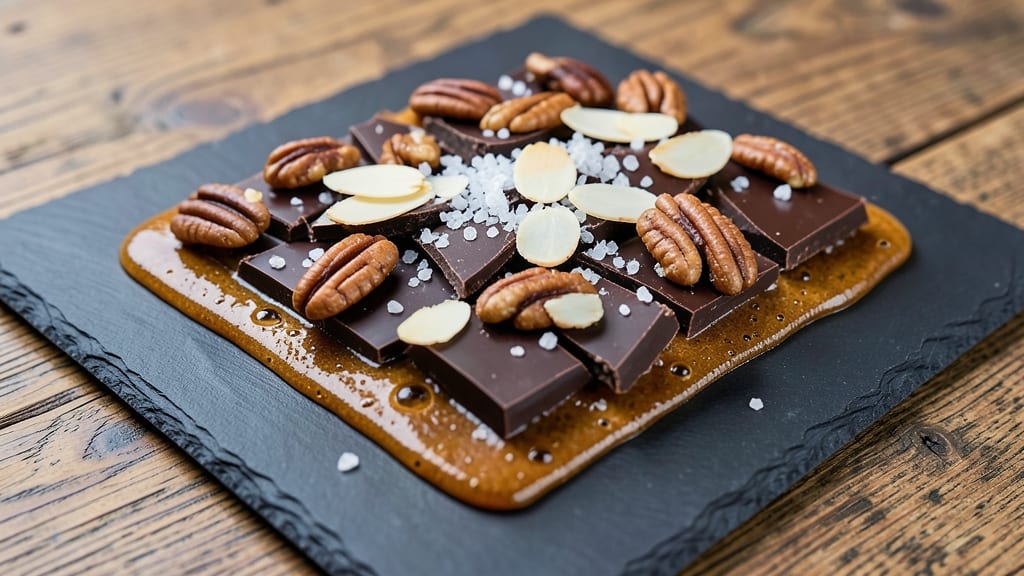
America's Test Kitchen chocolate toffee bark recipe delivers that perfect balance of rich chocolate and buttery toffee in every bite—without the usual messy spread. This method ensures clean layers, crisp edges, and a texture that’s satisfyingly crunchy yet tender, all while keeping prep straightforward.
The secret lies in precise timing and temperature control, which transforms simple ingredients into a dessert that looks impressive yet comes together effortlessly.
What sets this recipe apart is the foolproof technique for achieving evenly baked bark with no burnt edges or undercooked centers. You’ll work with high-quality chocolate and toasted nuts, but the process is designed to minimize stress—no last-minute scrambling to fix uneven baking.
The result? A slab of decadent bark that’s easy to portion, perfect for gifting, or simply enjoying straight from the pan.
By the time you’re done, you’ll have a dessert that’s restaurant-quality at home—glossy, crackly toffee pieces nestled in velvety chocolate, all studded with nuts for extra crunch. The contrast of salty, sweet, and crunchy flavors makes it impossible to stop at one piece.
Best of all, it stays fresh for days when stored properly, so you can enjoy it without rushing through the recipe.
This recipe is ideal for holiday gatherings, dinner parties, or treating yourself after a long week. The instructions are clear, the ingredients are accessible, and the outcome is consistently delicious. Let’s get started on a dessert that’s as easy to make as it is to devour.
Ingredients for america's test kitchen chocolate toffee bark
Four ingredients make the base—chocolate, butter, sugar, and salt—plus nuts for that perfect crunch.
| Ingredient | Amount | Notes |
|---|---|---|
| Dark Chocolate Bars 🍫 | 12 oz | 70% cacao or higher, chopped |
| Unsalted Butter 🧈 | 1 cup | Cold, cubed for even toffee |
| Granulated Sugar 🍚 | ½ cup | Superfine preferred for smooth toffee |
| Flaky Sea Salt 🧂 | 1 tbsp | Maldon or Diamond Crystal |
| Pecan Pieces 🥜 | 1 cup | Toasted for extra flavor |
| Almond Slices 🌰 | ½ cup | Thinly sliced, toasted |
| Heavy Whipping Cream 🥛 | ½ cup | Cold, for spreading |
| Vanilla Extract 🌸 | ½ tsp | Pure, high-quality |
| Light Corn Syrup 🍯 | 1 tbsp | For smooth toffee texture |
The chocolate is non-negotiable here. Ghirardelli or Lindt bars melt beautifully, but any 70% cacao or higher will work—just chop it finely for even melting. Butter needs to be cold (straight from the fridge) for crisp toffee, so don’t let it sit out. Trader Joe’s sells pre-chopped chocolate bars if you’re short on time, but chopping your own gives you better control. For the nuts, toast them in a dry pan for 3-4 minutes until fragrant—this boosts flavor dramatically. Pecans and almonds are classic, but walnuts or hazelnuts work too if you’re feeling adventurous.
No superfine sugar? Pulse regular granulated in a food processor for 20 seconds—it’ll work in a pinch. Running out of corn syrup? Honey or maple syrup at half the amount adds depth but may darken the toffee slightly. The vanilla extract is worth splurging on—Nielsen-Massey or McCormick are reliable brands. For the sea salt, Maldon flaky salt is ideal, but Diamond Crystal works too. Pro tip: Toast the nuts while you preheat the oven—multitasking saves time!
This bark keeps beautifully. Store it in an airtight container at room temperature for up to 5 days, or freeze for 2 months if you’re making it ahead. For gifting, wrap portions in parchment paper and tie with twine—looks stunning and keeps the bark fresh. Break into pieces right before serving for maximum crunch. The toffee will soften slightly at room temperature, but that’s normal and adds to the texture. If it gets too soft, pop it back in the fridge for 10 minutes before serving.
Why You'll Love This Recipe
- Here’s what sold me: the way the sugar turns into crispy toffee shards while the chocolate stays rich and melty, then that flaky sea salt—chef’s kiss—cutting through the sweetness like a perfect contrast. It’s the kind of bite that makes you grab another piece without thinking.
- No-Fail Simplicity: I swear by this recipe because it’s the kind of thing you can make while scrolling through your phone—just melt chocolate and butter, spread it out, sprinkle sugar and pecans, then bake. That’s it. No tempering, no fancy techniques, just pure, foolproof chocolate magic.
- Crunchy-Salty-Sweet Magic: Here’s what sold me: the way the sugar turns into crispy toffee shards while the chocolate stays rich and melty, then that flaky sea salt—chef’s kiss—cutting through the sweetness like a perfect contrast. It’s the kind of bite that makes you grab another piece without thinking.
- Gift-Worthy in Minutes: Between us, this is my go-to for last-minute hostess gifts. Wrap it in cellophane, tie a ribbon, and boom—you’ve got something luxurious that costs pennies to make. My sister-in-law still sends me thank-you texts every time I bring it to her house.
Step-by-step instructions for america's test kitchen chocolate toffee bark
This foolproof method delivers perfectly crisp toffee with rich chocolate and nutty crunch—no baking skills required!
Prepare the Toffee Base
In a heavy-bottomed saucepan, melt together the 1 cup unsalted butter and the 0.5 cup granulated sugar over medium-low heat. Stir occasionally until the sugar dissolves completely and the mixture reaches 240°F on a candy thermometer. This is the critical temperature for smooth toffee—don't walk away, as it can spike quickly.
Once at temperature, immediately remove from heat and stir in the 1 tablespoon flaky sea salt and 1 tablespoon light corn syrup. The mixture will bubble vigorously—this is normal. Let it bubble for 1-2 minutes until it thickens slightly and becomes glossy. Here's the thing—this step makes or breaks your toffee. If it looks too thin, return it to low heat for 30 seconds to thicken further.
Spread and Set the Toffee
Quickly pour the toffee mixture onto a 12x17-inch parchment-lined baking sheet, spreading it evenly into a ¼-inch thick layer using an offset spatula. Work fast—the toffee will harden as it cools. Let it sit at room temperature for 15-20 minutes until it becomes firm but still pliable to the touch.
Here's where precision matters: the toffee should be cool enough to handle but still slightly sticky. If it's too soft, chill in the refrigerator for 5 minutes to firm up. This cooling phase prevents cracking when you add the toppings later. I like to tap the pan gently on the counter to help it set evenly.
Add Chocolate and Nuts
Working quickly, spread the 0.5 cup heavy whipping cream evenly over the set toffee base using the back of a spoon. This creates a thin, creamy layer that helps the chocolate adhere. Immediately sprinkle the 12 oz chopped dark chocolate bars evenly over the cream layer, pressing down lightly with the back of a spoon to ensure good contact.
Next, scatter the 1 cup toasted pecan pieces and 0.5 cup toasted almond slices evenly over the chocolate. Here's the secret—don't overcrowd the nuts. You want them spaced out so each bite has that perfect balance of crunch and chocolate. Gently press the nuts into the chocolate just enough so they stay put when you cut it later.
Finish with Vanilla and Set Completely
Drizzle the 0.5 teaspoon vanilla extract over the entire surface in a zigzag pattern. This adds depth of flavor and creates beautiful marbling when the chocolate melts slightly. Let the bark set completely at room temperature for 1 hour, or refrigerate for 30 minutes if you're impatient like me.
Once fully set, use a sharp knife to cut the bark into 1-inch squares or rectangles. For clean cuts, dip the knife in hot water between cuts. Store in an airtight container at room temperature for up to 5 days, or freeze for up to 2 months. The flavors only get better with time as the chocolate mellows and the nuts release their oils.
Serve and Enjoy the Perfect Balance
Let the bark come to room temperature before serving—this ensures the chocolate is perfectly melted and the toffee is crisp. Each piece should deliver three distinct textures: the crunchy toffee base, the smooth chocolate layer, and the nutty crunch from the pecans and almonds. The flaky sea salt should be visible in every bite, adding that perfect salty contrast to the sweetness.
For an extra-special touch, serve with a dollop of whipped cream or a cup of hot coffee. The contrast of warm and cool, sweet and salty, makes this bark truly unforgettable. Real talk: this recipe is so good, you'll want to make it for every holiday gathering—trust me, your guests will thank you!
Pro Tips For Making America'S Test Kitchen Chocolate Toffee Bark
- Preheat Pan Properly: Slap that baking sheet in the oven for 5 minutes at 425°F before pouring the mixture—this guarantees even caramelization from the start. I learned this the hard way when my first batch stuck in patches like a stubborn glue.
- Chop Pecans Small: Use a food processor or knife to get pecans no bigger than ¼-inch—this ensures they toast evenly and don’t burn while the chocolate sets. My grandmother swore by this, and she was right: big chunks = uneven texture.
- Watch the Butter: Let the butter melt completely before mixing with sugar—even a tiny lump will make your toffee grainy. Sounds obvious, but I’ve rushed it twice and regretted the texture every time.
- Salt Early, Salt Often: Sprinkle half the flaky sea salt before baking, then finish with the rest after—this locks in flavor before the chocolate hardens. (Yes, even if you’re impatient like me.) The first batch I made tasted bland because I waited too long.
Troubleshooting great america's test kitchen chocolate toffee bark
Uneven Toffee Texture
If your toffee turns out too soft or sticky instead of crisp, you likely didn’t reach the proper 240°F temperature or cooled it too quickly. I’ve found using a candy thermometer is non-negotiable—visual cues alone aren’t enough.
For extra insurance, chill the toffee layer in the fridge for 5 minutes before adding toppings. This prevents cracking when you add the heavier chocolate layer. 🌡️
Chocolate Not Setting Properly
When chocolate stays too soft or melts into the toffee base, the issue is usually moisture. Make sure your heavy whipping cream is cold and spread it very thinly—just enough to help the chocolate adhere.
Also, avoid humid environments while the bark sets. If your kitchen feels damp, refrigerate the bark for 20 minutes after adding chocolate to help it firm up faster.
Burnt Edges on Toffee
Burnt edges happen when the toffee sits too long at high heat or when the pan isn’t properly lined. Always use parchment paper and spread the toffee in an even ¼-inch layer.
If you notice browning too quickly, remove the pan from heat immediately and stir the mixture to redistribute heat. A light-colored metal pan helps prevent overheating better than dark pans.
Nuts Not Sticking
Nuts slipping off during cutting? Press them gently into the chocolate with the back of a spoon, but don’t overdo it—this can create gaps. For extra grip, lightly toast the nuts until fragrant (about 3-4 minutes in a dry pan), then let them cool completely before adding.
Warm nuts release oils that help them adhere better to the chocolate layer.
Cracked Toffee Base
Cracks usually mean the toffee cooled too quickly or wasn’t firm enough when toppings were added. Let it sit at room temperature for the full 15-20 minutes until it’s pliable but not sticky.
If you’re in a hurry, chill for 5 minutes instead of rushing. Tap the pan gently on the counter to help it set evenly—this releases air bubbles and prevents stress cracks.
Chocolate Separating
If chocolate pools or separates, it’s likely because the toffee layer wasn’t cool enough when you added it. The toffee should be firm but still slightly tacky to the touch—like warm caramel.
If it’s too soft, chill for 5-10 minutes before spreading the cream and chocolate. Also, ensure your chocolate is 70% cacao or higher—darker chocolate melts more smoothly and adheres better.
Nutrition facts
Frequently asked questions
Can I substitute butter in this chocolate toffee bark?
You can use ghee or coconut oil in a pinch, but butter is ideal for flavor and texture. For a dairy-free option, try vegetable shortening, though it may slightly alter the toffee's richness. Avoid margarine—it contains water that can cause uneven cooking. If substituting, reduce the sugar by 1 tablespoon to compensate for differences in moisture content.
How do I prevent the toffee from cracking?
Cracking happens when the toffee cools too quickly or isn't firm enough when you add toppings. Let it sit at room temperature for the full 15-20 minutes until it's pliable but not sticky. For extra insurance, chill the pan in the fridge for 5 minutes before adding chocolate. Tap the pan gently on the counter to release air bubbles and help it set evenly.
Can I make this bark ahead of time?
This bark keeps beautifully for up to 5 days at room temperature in an airtight container. For longer storage, freeze it for up to 2 months. Let it come to room temperature before serving—this ensures the chocolate melts perfectly and the toffee stays crisp. The flavors actually improve over time as the nuts release their oils and the chocolate mellows.
What's the best way to cut the bark for clean pieces?
Use a sharp chef's knife and dip it in hot water between cuts to prevent sticking. For extra precision, score the bark lightly with the knife before cutting through completely. Work in one direction to avoid jagged edges. If the bark is too soft when cutting, chill it in the fridge for 10 minutes first. Warm chocolate makes clean cuts nearly impossible!
Can I use white chocolate instead of dark?
While you can substitute white chocolate, the flavor profile will be much sweeter and less complex. For best results, stick with 70% cacao or higher dark chocolate—it provides the perfect balance of bitterness and sweetness that complements the toffee. If you must use white chocolate, reduce the sugar in the toffee by 1 tablespoon to avoid overwhelming sweetness.