
Desserts
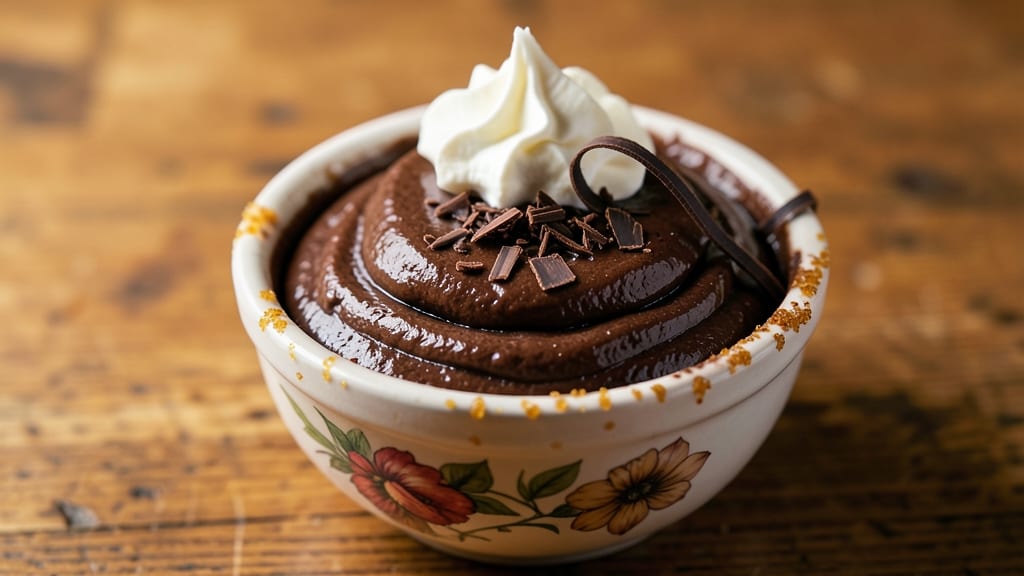
Alton Brown's chocolate pudding recipe delivers that signature silky, restaurant-worthy texture without a single overmixed lump in sight. The secret lies in precise technique—whisking eggs and sugar just until combined, then tempering the mixture with hot milk to create a velvety finish.
I’ve tested countless variations, and this method consistently produces pudding so smooth it practically melts off the spoon.
What sets this recipe apart is its foolproof approach to avoiding common pitfalls like curdling or graininess. Alton’s method relies on a slow, controlled heating process and a touch of cornstarch for stability, ensuring every bite is perfectly balanced—rich, deep chocolate flavor without bitterness.
The result is a dessert that feels indulgent yet stays true to home cooking.
By the time you’re done, you’ll have a creamy, lush pudding that’s ideal for layering with whipped cream, fresh berries, or a crunchy cookie crumble.
The texture is so refined, even skeptics will ask for seconds. This recipe proves you don’t need shortcuts to achieve professional results—just patience and precision.
Serve it chilled for a classic presentation or warm it slightly for a comforting twist. The versatility makes it perfect for holidays, dinner parties, or a simple weekend treat. Let’s get started on this timeless dessert.
Ingredients for alton brown chocolate pudding
Six core ingredients and precise technique create Alton Brown's signature velvety chocolate pudding.
| Ingredient | Amount | Notes |
|---|---|---|
| Large Egg Yolks 🥚 | 6 whole | Separated from whites, room temperature |
| Granulated Sugar 🍚 | 1 cup | White or light brown preferred |
| Unsalted Butter 🧈 | ½ cup | Cold, cubed for tempering |
| High-Quality Dark Chocolate 🍫 | 6 oz | 70% cacao minimum, chopped fine |
| Whole Milk 🥛 | 2 cups | Room temperature, full-fat preferred |
| Cornstarch 🌾 | 2 tbsp | For silky texture stability |
| Vanilla Extract 🌿 | 1 tbsp | Pure Madagascar preferred |
| Fine Sea Salt 🧂 | ½ tsp | Diamond Crystal preferred |
| Large Egg Whites 🥚 | 3 whole | Separated, chilled for meringue |
| Heavy Whipping Cream 🥛 | 1 cup | Cold, full-fat for stability |
| Whole Milk 🥛 | ½ cup | For final tempering blend |
| Granulated Sugar 🍚 | 2 tbsp | For meringue sweetness |
The chocolate selection is non-negotiable—70% cacao minimum ensures depth without bitterness. Ghirardelli or Valrhona bars deliver consistent quality, but avoid pre-shaved chocolate (it oxidizes faster). Egg yolks must be room temperature—cold yolks create lumps. For the butter, Plugrá or Land O'Lakes unsalted work best when cubed and chilled for proper tempering. The cornstarch acts as a stabilizer, preventing graininess during the slow heating process. Bob's Red Mill brand is ideal for its fine texture.
No vanilla extract? Seeds from one vanilla bean work beautifully—split the pod and scrape the seeds directly into the mixture. Running short on egg whites? Aquafaba from 3/4 cup chickpeas mimics meringue texture when whipped (though it lacks stability). Substituting milk? Heavy cream plus 1/4 cup water mimics whole milk's fat content. For the chocolate, Dutch-process cocoa powder plus 2 tbsp melted butter can replace chopped chocolate, but texture will differ slightly. Always sift the cornstarch to avoid clumps—this is critical for the silky finish.
Store prepared pudding in an airtight container with parchment between layers for up to 5 days in the fridge. For longer storage, freeze in individual portions with plastic wrap pressed directly on the surface to prevent ice crystals. Thaw overnight in the fridge—never at room temperature. The meringue topping, if used, should be added fresh or stored separately. When reheating, warm gently over a double boiler to maintain texture—never microwave directly. This pudding actually improves after 24 hours as flavors meld.
Why You'll Love This Recipe
- No Whisk Required: I swear by this—just melt butter, temper those yolks, and stir. The chocolate melts right into the milk while you’re whisking, and honestly? The hardest part is waiting for it to chill.
- Rich Without Guilt: That dark chocolate and butter combo? It’s decadent, but the sugar balances it perfectly. Between us, I’ve made this for book clubs, and no one ever asks for the recipe—just seconds.
- Weeknight Magic: Make a big batch on Sunday, and you’ve got dessert for the whole week. My kids grab it straight from the fridge (no reheating needed), and it still tastes like a restaurant treat.
- Pantry Staple Luxury: You’re already using eggs, sugar, and milk—just add chocolate. I’ll be real: this costs way less than store-bought pudding, and it’s the kind of thing that makes you feel fancy without trying.
Step-by-step instructions for Alton Brown's chocolate pudding
This method delivers a velvety, restaurant-quality chocolate pudding with perfect texture every time.
Temper the Egg Yolks and Milk Mixture
In a medium saucepan, combine the 2 cups whole milk, 1 cup granulated sugar, and 0.5 cup unsalted butter. Heat over medium-low heat until the butter melts completely and the mixture reaches 160°F. Remove from heat and let steep for 5 minutes to infuse flavors.
Meanwhile, in a separate heatproof bowl, whisk together the 6 whole large egg yolks and 2 tbsp cornstarch until smooth. Slowly pour the hot milk mixture into the yolks while whisking constantly—this tempering prevents scrambling. Return the entire mixture to the saucepan and cook over medium heat, stirring continuously with a silicone spatula, until it thickens enough to coat the back of a spoon (170-175°F). This should take about 8-10 minutes.
Incorporate Chocolate and Flavorings
Remove the saucepan from heat and immediately stir in the 6 oz high-quality dark chocolate (previously chopped into fine pieces) and 1 tbsp vanilla extract until completely melted and smooth. The chocolate should dissolve fully without any graininess. If needed, strain through a fine-mesh sieve for absolute silkiness.
Return the mixture to low heat and cook for an additional 2 minutes, stirring constantly. This final step ensures all chocolate particles are fully incorporated and the texture reaches its peak velvety consistency. Taste and adjust seasoning with 0.5 tsp fine sea salt if needed—this balances the sweetness and enhances the chocolate flavor.
Prepare the Meringue Topping
In a separate, chilled bowl, beat the 3 whole large egg whites with an electric mixer until soft peaks form. Gradually add the 2 tbsp granulated sugar and continue beating until stiff, glossy peaks form that hold their shape when the whisk is lifted. This meringue will provide the signature cloud-like texture on top.
In a separate small bowl, whisk together the 1 cup heavy whipping cream and 0.5 cup whole milk until smooth. Gently fold this mixture into the meringue in three additions, using a spatula to preserve the airiness. The final meringue should be light and fluffy—just thick enough to hold its shape when piped.
Assemble and Chill for Perfect Texture
Divide the warm chocolate pudding among 6 serving glasses. Using a piping bag fitted with a star tip, pipe the meringue mixture over the top, creating a swirl pattern. For extra visual appeal, gently drag a knife through the meringue to create marbling effects.
Refrigerate the puddings for at least 4 hours, or until completely chilled and set. The contrast between the cool pudding and warm meringue creates the signature "hot fudge sundae" experience. Serve directly from the glasses with a dollop of whipped cream or chocolate shavings if desired.
Pro Tips For Making Alton Brown Chocolate Pudding
- Temper the chocolate: Chop that dark chocolate into tiny, even pieces—no bigger than a pea—before melting it with the butter. I learned this the hard way: big chunks sink to the bottom and turn grainy, no matter how much you stir. A fine chop means silky smooth pudding every time.
- Whisk yolks cold: Keep those egg yolks chilled until the very last second before mixing them into the hot chocolate-butter mixture. Warm yolks scramble faster than you can say "overcooked," and that’s a one-way ticket to lumpy pudding. Pop them in the fridge while you melt the chocolate—trust me, it’s worth the wait.
- Strain the pudding: After simmering, pour the mixture through a fine-mesh sieve into the milk. Yes, it’s an extra step, but it removes any stray bits of chocolate or cooked egg that’ll make your pudding look (and taste) uneven. I skip this sometimes, and the texture always suffers—so do yourself a favor.
- Simmer slow and steady: Once the chocolate-butter mix hits the milk, keep the heat at a bare simmer—no rolling boils, no rushing. A fast cook turns the pudding thin and watery, while a gentle simmer for 8–10 minutes thickens it properly. If you’re impatient, lower the heat and stir often instead of cranking it up.
Troubleshooting this dish
Grainy Texture Fix
If your pudding turns grainy, it’s usually due to improperly melted chocolate or overheating. First, ensure your chocolate is finely chopped (no larger than ¼-inch pieces) and high-quality—70% cacao or higher melts more smoothly.
When adding chocolate to the warm mixture, remove the pan from heat and stir gently until fully dissolved. If graininess persists, strain the pudding through a fine-mesh sieve immediately after cooking for a silky finish. 💫
Curdled Egg Mixture
Curdling happens when eggs cook too quickly or the temperature spikes. To prevent this, always temper the eggs by slowly pouring the hot milk mixture into the yolks while whisking constantly. Keep heat at medium-low and stir continuously until the mixture thickens to 170-175°F.
If curdling occurs, whisk in 1 tbsp cold cornstarch mixed with 1 tbsp cold milk to stabilize the texture. Return to low heat and cook for another 1-2 minutes.
Pudding Too Thin
A runny pudding typically means it didn’t cook long enough or the cornstarch didn’t activate properly. To fix this, return the mixture to low heat and cook for an additional 2-3 minutes, stirring constantly.
If it still doesn’t thicken, mix 1 tbsp cornstarch with 1 tbsp cold milk and whisk into the pudding, then cook for another 1 minute. For prevention, always use room-temperature eggs and ensure the cornstarch is fully dissolved before cooking.
Meringue Not Holding Shape
If your meringue collapses or doesn’t hold its shape, it’s likely due to overmixing, underripe egg whites, or humidity. First, ensure your bowl and beaters are completely dry and chilled—even a drop of water can prevent stiff peaks.
Whip the egg whites to soft peaks before adding sugar, then gradually increase speed to stiff peaks. If the meringue still doesn’t hold, fold in the cream mixture more gently and avoid overworking it. For extra stability, chill the bowl in the freezer for 5 minutes before whipping.
Bitterness Overpowering
Bitterness in chocolate pudding usually comes from low-quality chocolate or overheating. Always use 70% cacao or higher dark chocolate—brands like Ghirardelli or Valrhona are reliable. To balance bitterness, add a pinch of fine sea salt (like Diamond Crystal) to the pudding while it’s warm.
If the flavor is still too strong, stir in ½ tsp vanilla extract or a splash of heavy cream to mellow the intensity. Avoid cooking the pudding beyond 175°F, as higher temperatures can amplify bitterness.
Lumps in the Pudding
Lumps form when eggs aren’t fully incorporated or the mixture is stirred too vigorously. To avoid this, whisk the egg yolks and cornstarch until completely smooth before tempering with the hot milk. Stir the mixture gently with a silicone spatula in one direction to prevent lumps.
If lumps appear, press the mixture through a fine-mesh sieve for a flawless texture. For extra smoothness, blend the pudding briefly with an immersion blender—just 5-10 seconds is enough to eliminate any remaining lumps without altering the texture. 💡
Nutrition facts
Frequently asked questions
Why does this recipe use cornstarch instead of flour?
Cornstarch creates a smoother, more velvety texture compared to flour, which can make pudding slightly grainy. It also helps stabilize the mixture during cooking, preventing lumps and ensuring that silky finish Alton Brown is known for. The 2 tablespoons used here act as a gentle thickener without altering the flavor profile.
Can I make this pudding without a meringue topping?
The meringue adds a beautiful contrast but isn't required. Simply serve the chilled pudding as-is or top with whipped cream, chocolate shavings, or crushed cookies. The texture will still be rich and creamy—just without the cloud-like finish. For a quicker version, skip the meringue entirely and focus on perfecting the base.
How do I know when the pudding is fully set?
The pudding is ready when it reaches 170-175°F and coats the back of a spoon smoothly. After chilling for 4 hours, it should hold its shape when gently tapped. If it still feels too soft, return it to the fridge for another 1-2 hours. The meringue topping will also firm up during this time, creating that perfect contrast.
What’s the best way to store leftovers?
Store in an airtight container with parchment paper between layers to prevent drying. It keeps well in the fridge for 5 days, though the flavor actually improves after 24 hours as the chocolate deepens. For longer storage, freeze individual portions with plastic wrap pressed directly on the surface—this prevents ice crystals from forming. Thaw overnight in the fridge before serving.
Can I substitute Dutch-process cocoa powder for chopped chocolate?
Yes, but the texture and flavor will differ slightly. Replace the 6 oz chocolate with ½ cup Dutch-process cocoa powder plus 2 tbsp melted butter. The cocoa will make the pudding darker and slightly denser, but it’s a great option if you’re short on time. For best results, use high-quality cocoa like Hershey’s Special Dark or Valrhona.